As organizations continue to modernize their IT infrastructure, moving SAP workloads to the cloud has become a strategic priority. SAP systems are complex, resource-intensive, and deeply integrated into business operations, which makes choosing the right cloud environment a critical decision.
However, the question is no longer simply “which cloud is best for SAP?” The real answer lies in understanding how different cloud models and providers fit into a broader hybrid strategy that balances performance, flexibility, and control.
Understanding SAP in the Cloud Era
SAP workloads, particularly those running on SAP HANA, require high performance, scalability, and reliability. Cloud platforms have evolved to meet these demands, offering infrastructure and services specifically optimized for SAP environments.
Today, organizations can deploy SAP in multiple ways. Some choose fully managed cloud solutions, while others prefer infrastructure-based models where they retain more control. There are also hybrid approaches that combine on-premise systems with cloud environments to create a more flexible architecture.
Each approach offers its own advantages, and the best choice depends on business goals, technical requirements, and long-term strategy.
The Leading Cloud Providers for SAP
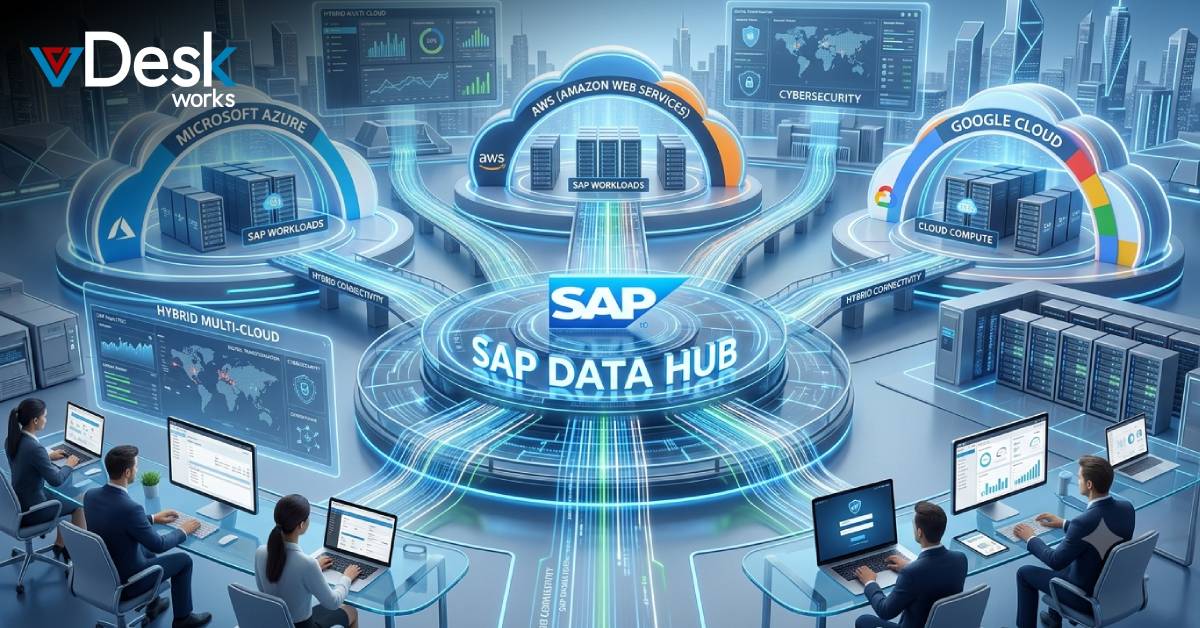
When it comes to hosting SAP in the cloud, three major providers dominate the landscape: Microsoft Azure, Amazon Web Services (AWS), and Google Cloud Platform (GCP). Each of these hyperscalers offers certified environments for running SAP workloads and brings unique strengths to the table.
Microsoft Azure is often preferred by enterprises already using Microsoft technologies. Its seamless integration with enterprise tools and strong support for hybrid environments make it a natural choice for organizations looking to extend their existing infrastructure into the cloud.
AWS is known for its global infrastructure and scalability. It provides a wide range of services and flexible deployment options, making it suitable for businesses that need high availability and performance across multiple regions.
Google Cloud Platform stands out for its advanced analytics and data capabilities. It is particularly attractive for organizations that want to leverage data-driven insights and integrate SAP with modern analytics and AI tools.
All three providers are capable of running SAP effectively, and SAP itself supports deployment across these environments, giving organizations the flexibility to choose based on their needs.
Why Hybrid Cloud is Often the Best Choice
While public cloud platforms offer significant benefits, many organizations are not ready to move all their SAP workloads entirely to the cloud. This is where hybrid cloud strategies come into play.
A hybrid approach allows businesses to keep certain workloads on-premise while moving others to the cloud. This provides greater control over sensitive data, supports legacy systems, and enables a gradual transition to cloud environments.
For SAP, hybrid models are particularly valuable because they allow organizations to:
- Maintain control over critical systems
- Optimize performance for specific workloads
- Meet regulatory and compliance requirements
- Transition to the cloud at their own pace
SAP itself supports multiple deployment models, including private cloud, public cloud, and hybrid environments, giving businesses the flexibility to design architectures that suit their needs.
The Challenges of Managing SAP Across Clouds
Despite the advantages of cloud and hybrid models, managing SAP across different environments can be complex. Organizations must deal with integration challenges, security considerations, and performance optimization across multiple platforms.
In hybrid setups, ensuring consistent access and user experience becomes a key concern. Employees need to interact with SAP systems seamlessly, regardless of where those systems are hosted.
This is where traditional approaches often fall short. Managing access across multiple devices, networks, and environments can increase complexity and create potential security risks.
Cloud PC: Simplifying SAP Access in Hybrid Environments
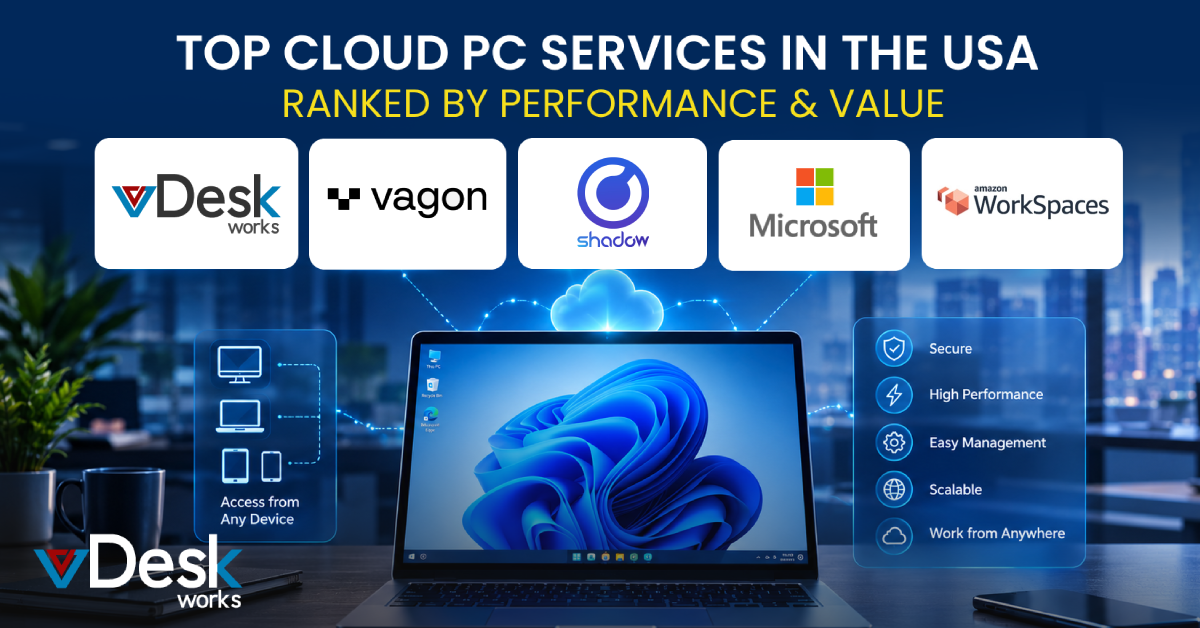
As enterprises look for ways to simplify their SAP environments, Cloud PC technology is emerging as a powerful solution.
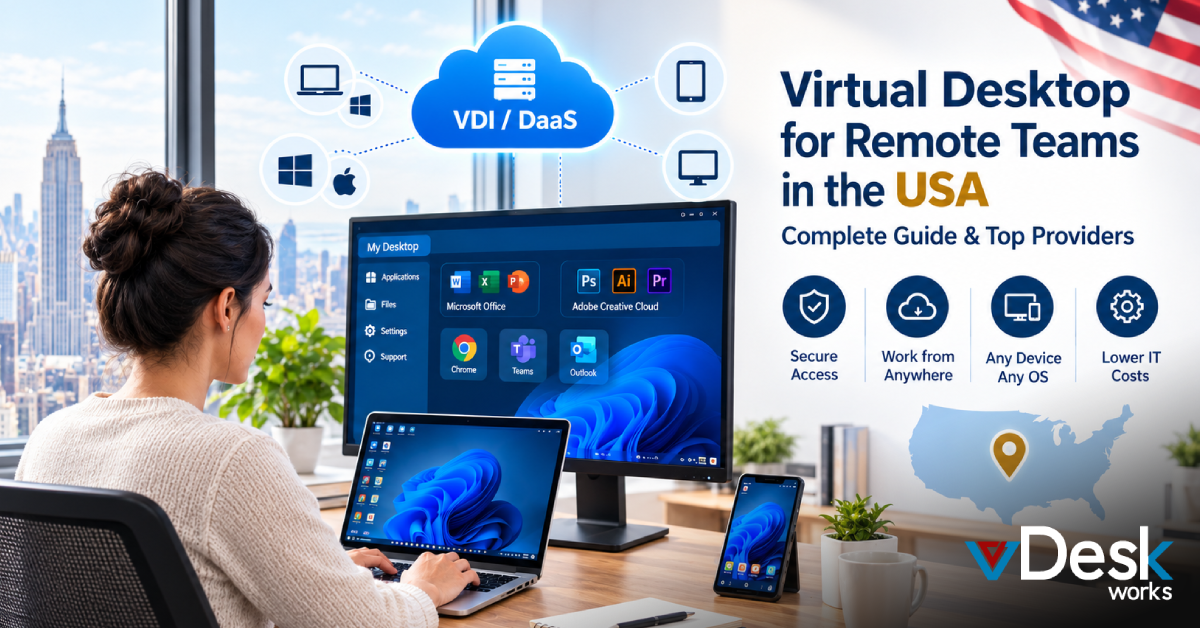
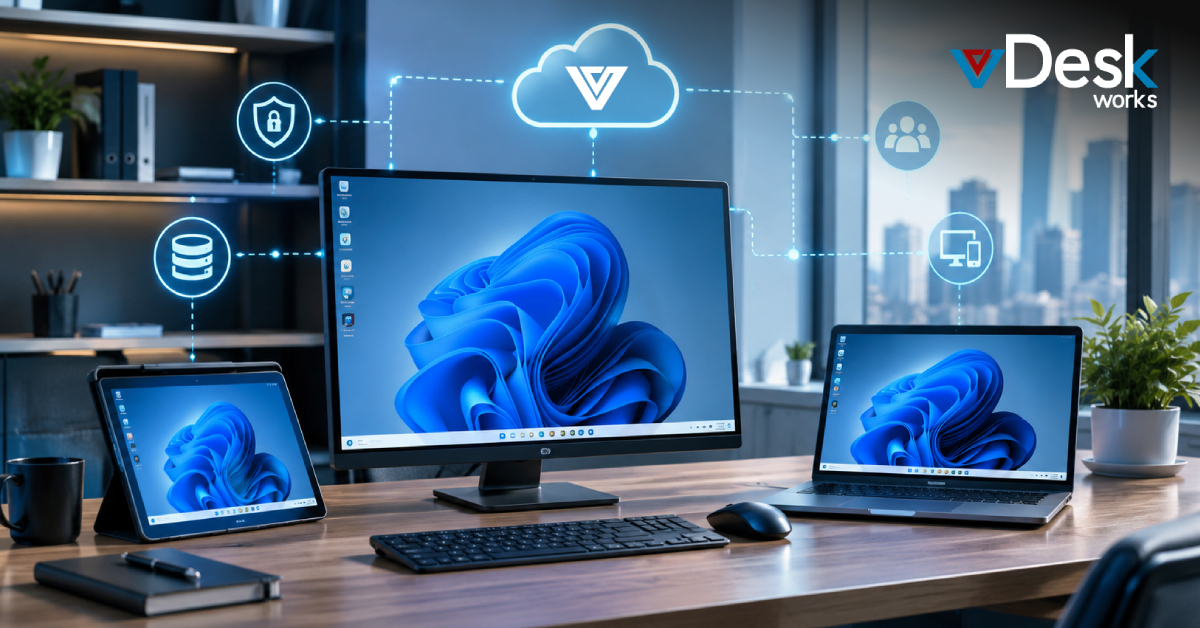
Instead of accessing SAP systems directly from individual devices, users connect to a centralized cloud-based desktop environment. This environment is pre-configured with all necessary applications, including SAP, and can be accessed from anywhere.
This approach offers several advantages in hybrid SAP environments. It provides a consistent user experience, regardless of the underlying infrastructure. It also enhances security by centralizing data and reducing reliance on endpoint devices.
By separating the user experience from the infrastructure layer, Cloud PC makes it easier to manage complex SAP deployments across multiple cloud platforms.
Why vDeskWorks Cloud PC is Ideal for SAP Environments?
For organizations running SAP in hybrid cloud environments, vDeskWorks Cloud PC offers a streamlined and efficient solution.
vDeskWorks enables businesses to deliver SAP access through secure, cloud-hosted desktops that are accessible from any device. This eliminates the need to configure SAP access on individual machines and ensures a consistent experience for all users.
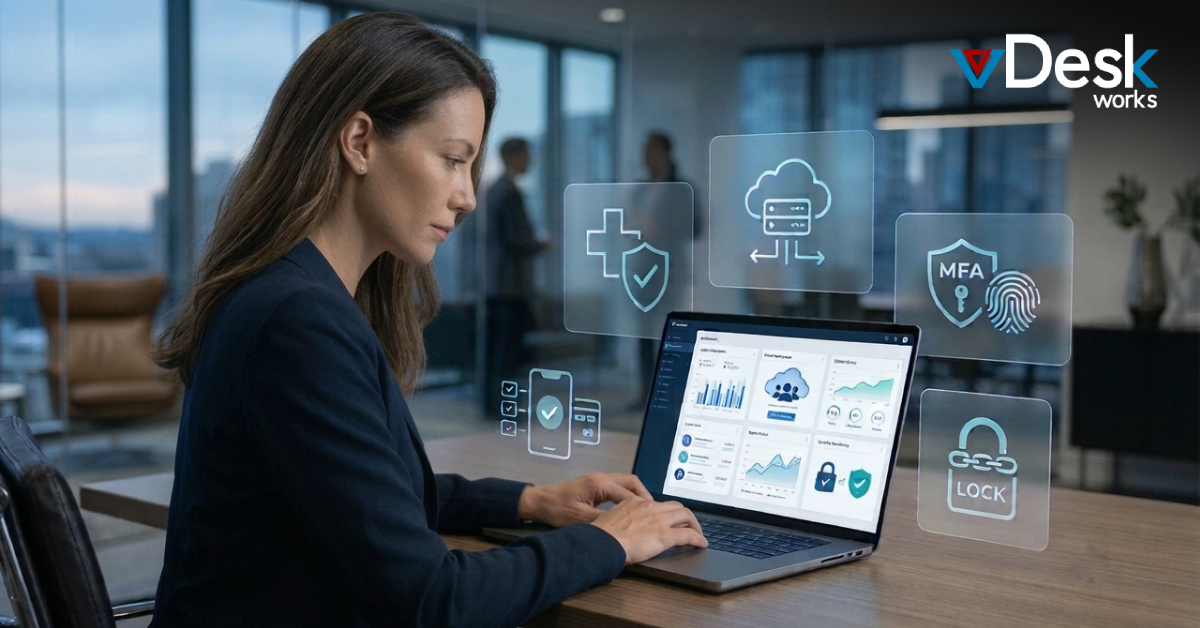
With centralized management, IT teams can control access, monitor usage, and enforce security policies across the entire environment. This is particularly valuable for SAP systems, where data sensitivity and compliance are critical.
vDeskWorks Cloud PC also supports scalability, allowing organizations to quickly onboard new users or expand their SAP operations without additional infrastructure complexity.
By combining cloud-based desktops with hybrid SAP deployments, vDeskWorks simplifies access while maintaining performance, security, and flexibility.
Choosing the Right Path Forward
Selecting the best cloud for SAP is not about choosing a single provider. It is about building an architecture that aligns with business needs, supports growth, and simplifies operations.
For many organizations, this means adopting a hybrid approach that leverages the strengths of different cloud platforms while maintaining control over critical systems.
Cloud PC adds another layer of efficiency by simplifying how users interact with these environments. It removes complexity from the user side while enabling IT teams to manage systems more effectively.
As SAP continues to evolve in the cloud era, the focus will increasingly shift from infrastructure choices to user experience, flexibility, and integration.
 Emma Carson