Digital workspaces are no longer just tools—they are the foundation of how modern organizations operate. As hybrid work becomes standard and teams spread across locations, performance is no longer a technical detail. It directly impacts productivity, employee experience, and business outcomes.
But achieving high performance in a digital workspace is not automatic. Moving to the cloud or adopting modern tools is only the first step. True performance comes from how these environments are designed, managed, and optimized over time.
In a cloud-first world, maximizing digital workspace performance requires a shift in mindset—from static infrastructure to dynamic, continuously optimized systems.
Performance Starts with a Unified Workspace Experience
One of the biggest barriers to performance is fragmentation. When employees rely on multiple tools, disconnected systems, and inconsistent interfaces, productivity suffers. Time is lost switching between applications, searching for information, and managing workflows.
A unified digital workspace solves this by bringing applications, data, and tools into a single, centralized environment. This reduces friction and allows employees to focus on actual work instead of navigating systems.
When users have a personalized and streamlined workspace, they spend less time managing technology and more time delivering results.
Consistency across environments also ensures that performance does not vary based on location or device, which is critical for hybrid and global teams.
Continuous Monitoring Drives Real Performance Gains
Performance is not a one-time achievement—it is an ongoing process. Many organizations only address issues after users report them, which creates delays and frustration.
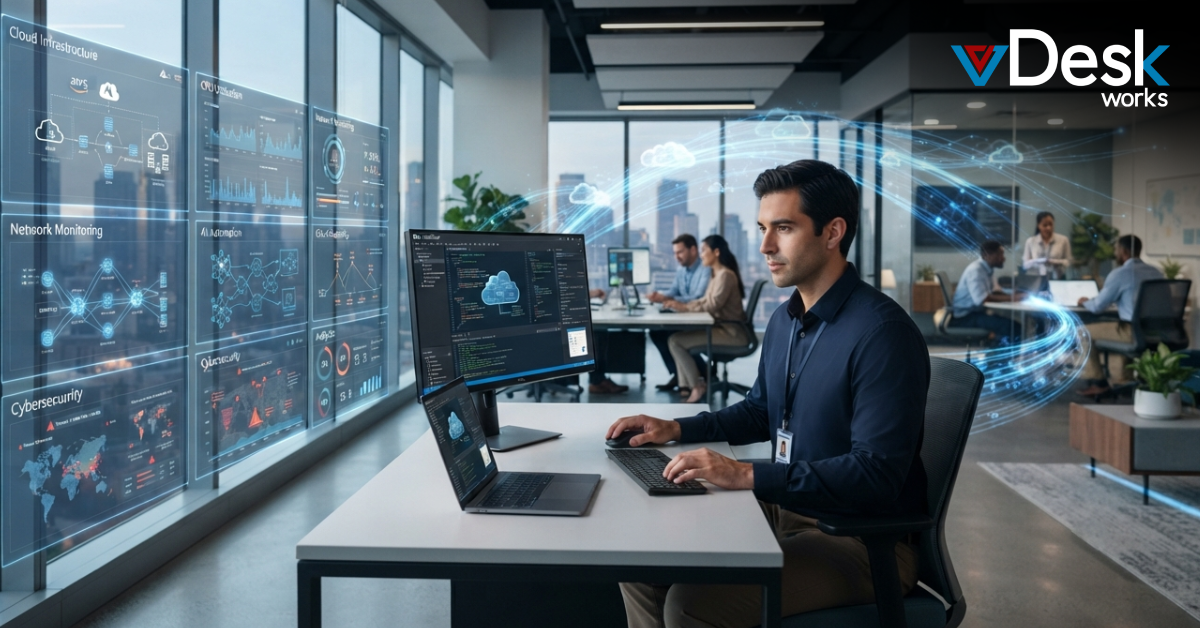
High-performing digital workspaces rely on continuous monitoring to identify and resolve issues before they impact users. Real-time insights into CPU usage, network latency, and application performance allow IT teams to take proactive action.
This proactive approach transforms IT operations from reactive troubleshooting to predictive optimization. It ensures that systems remain stable, responsive, and aligned with user needs at all times.
Smart Resource Allocation Improves Speed and Efficiency
One of the most important factors in workspace performance is how resources are allocated. Overprovisioned systems waste money, while underprovisioned systems lead to slow performance and poor user experience.
Cloud environments enable dynamic resource allocation, allowing systems to scale up or down based on demand. Autoscaling ensures that performance remains consistent during peak usage while reducing costs during idle periods.
This balance between performance and cost is critical. Organizations that optimize resource usage can deliver faster, more reliable experiences without overspending on infrastructure.
Network Optimization Defines the User Experience
In a digital workspace, performance is heavily influenced by network conditions. Latency, bandwidth limitations, and unstable connections can significantly impact how applications behave.
Modern high-performance workspaces use adaptive technologies to optimize streaming, reduce lag, and maintain responsiveness even in variable network environments.
This is especially important for hybrid teams, where employees connect from different locations with varying network quality. A well-optimized workspace ensures that performance remains consistent regardless of these differences.
Automation Eliminates Performance Bottlenecks
Manual processes are one of the biggest sources of inefficiency in IT environments. Tasks such as updates, scaling, and maintenance can slow down systems if not handled efficiently.
Automation plays a key role in maximizing performance by handling repetitive tasks and ensuring that systems operate optimally without constant intervention. Automated scaling, scheduled operations, and idle session management help reduce unnecessary load and improve responsiveness.
By reducing manual effort, automation not only improves performance but also frees IT teams to focus on strategic initiatives.
Why vDeskWorks Cloud PC Maximizes Workspace Performance?
As organizations look to optimize their digital workspaces, vDeskWorks Cloud PC Solution a powerful solution designed for performance at scale.
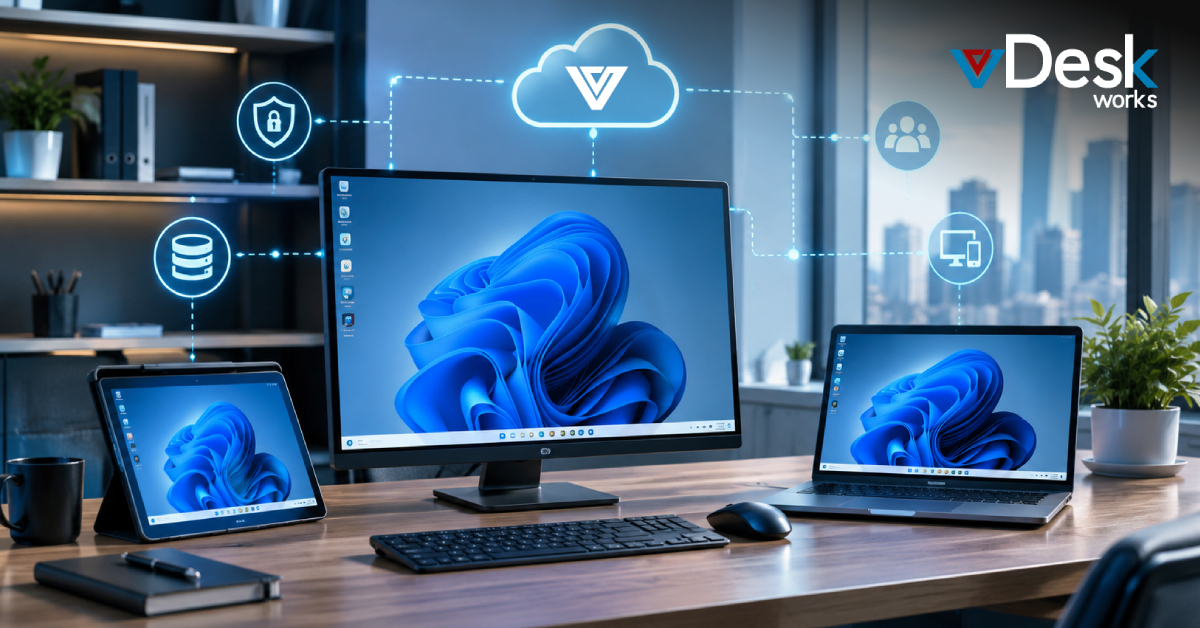
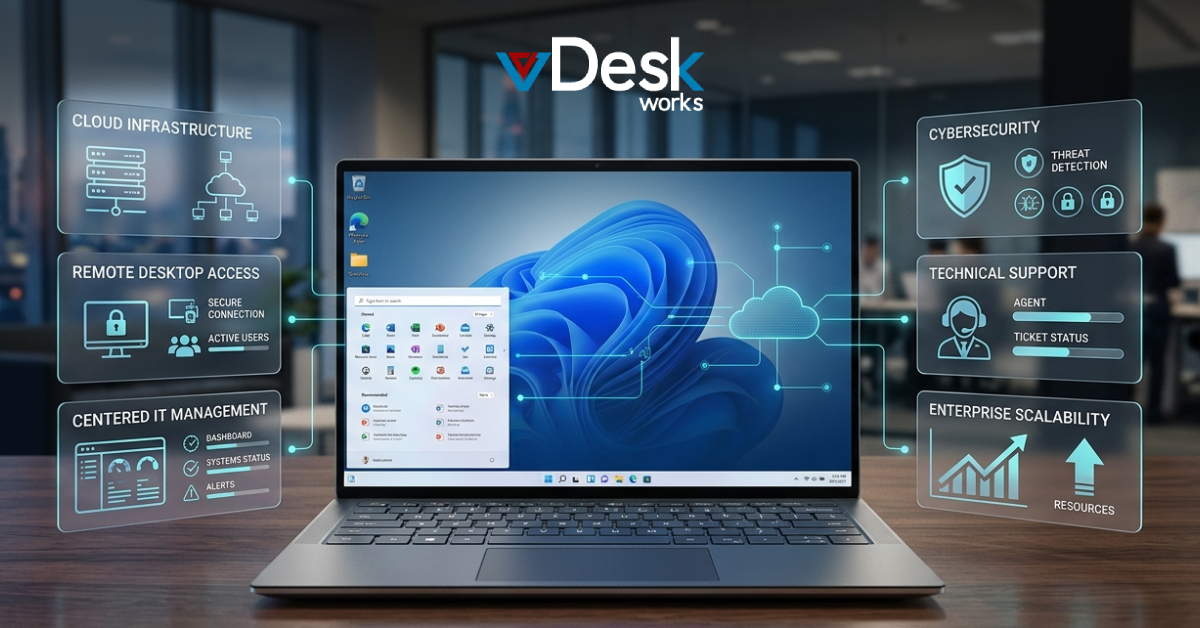
vDeskWorks centralizes the entire desktop environment in the cloud, eliminating the inconsistencies caused by device differences and local configurations. This ensures that every user experiences the same level of performance, regardless of location or hardware.
With built-in monitoring and centralized management, IT teams gain full visibility into system performance. They can identify issues in real time, optimize resources, and maintain consistent performance across all users.
vDeskWorks Cloud PC also leverages cloud scalability to ensure that resources are allocated dynamically based on demand. This prevents performance bottlenecks while maintaining cost efficiency.
By combining unified access, real-time monitoring, and intelligent resource management, vDeskWorks transforms digital workspace performance from a challenge into a competitive advantage.
The Future of Digital Workspace Performance is Continuous and Cloud-Driven
As work becomes more distributed and dynamic, performance will remain a critical factor in business success. Organizations can no longer rely on static systems or reactive approaches to maintain efficiency.
The future lies in cloud-driven environments that are continuously optimized, intelligently managed, and designed for flexibility. Performance will not be defined by hardware or location, but by how effectively systems adapt to user needs.
Cloud PC solutions represent this shift. They provide a foundation for high-performance digital workspaces that are scalable, secure, and consistent across global teams.
In this new era, maximizing performance is not just about speed—it is about creating an environment where employees can work seamlessly, efficiently, and without interruption.
And that is what defines a truly modern digital workspace.
 Emma Carson