In July 2024, a single faulty update triggered one of the largest IT disruptions in recent history. What made it remarkable was not just the scale, but the percentage—less than 1% of Windows machines were affected. Yet the impact rippled across industries, grounding flights, halting banking systems, and disrupting healthcare services worldwide.
This incident exposed a critical truth about modern IT infrastructure: even a small failure can create massive global consequences when systems are deeply interconnected.
For organizations operating in hybrid and distributed environments, the outage was more than a temporary disruption. It was a wake-up call to rethink how work environments are built, managed, and protected.
The Fragility of Device-Centric Work Environments
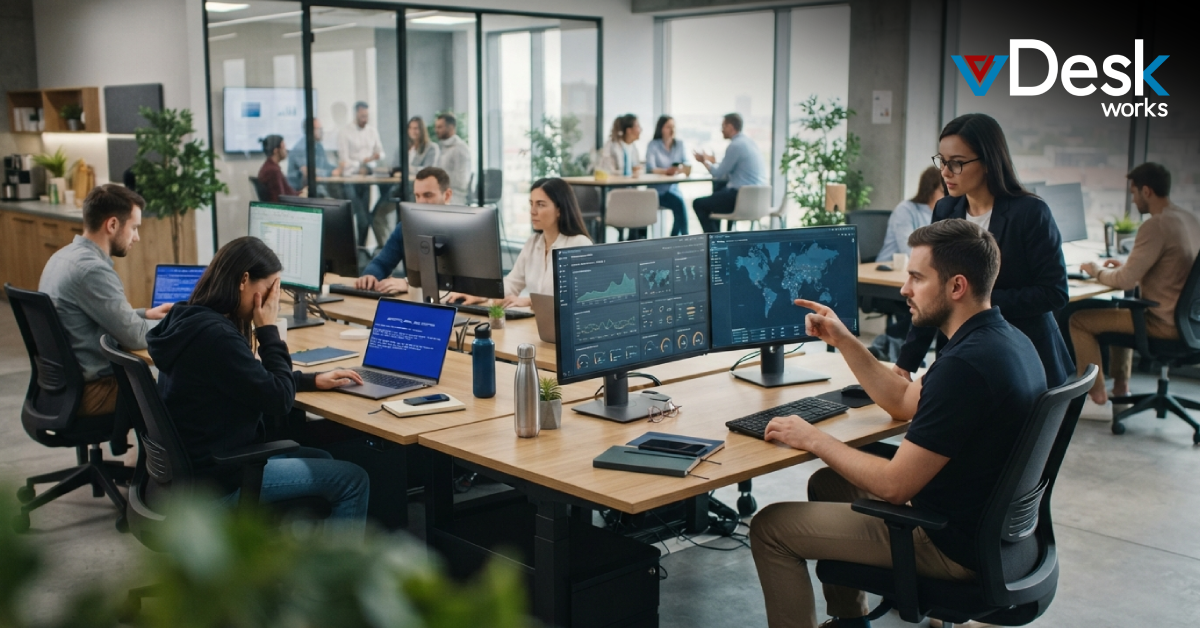
At the core of the disruption was a dependency on physical endpoints. Millions of Windows devices experienced system crashes, often displaying the infamous blue screen of death, and many required manual intervention to recover.
This created a cascading effect. IT teams were forced to fix machines individually, often across multiple locations. For large organizations, this meant thousands of devices needing hands-on attention at the same time.
The problem was not just the update—it was the model. When computing depends on individual devices, recovery becomes slow, complex, and resource-intensive.
In a world where teams are distributed globally, this approach simply does not scale.
Why a Small Outage Became a Global Crisis
The outage demonstrated how interconnected modern systems have become. A single update propagated across millions of machines almost instantly, amplifying its impact.
Industries such as aviation, finance, retail, and healthcare were all affected simultaneously, showing how deeply embedded IT systems are in everyday operations.
Even though a fix was quickly released, recovery was not immediate. Many systems required manual rebooting and intervention, delaying operations for hours or even days.
This highlights a key challenge: in traditional environments, fixing the problem is only half the battle. Restoring operations at scale is where the real difficulty lies.
The Shift Toward Centralized and Resilient Workspaces
The lessons from the outage point toward a fundamental shift in IT strategy. Organizations need environments that are not only secure but also resilient and easy to recover.
Centralized workspaces offer this advantage. When desktops and applications are hosted in the cloud rather than on individual devices, issues can be addressed at the source rather than across thousands of endpoints.
This dramatically reduces recovery time. Instead of fixing each device, IT teams can update or roll back a centralized environment, restoring access for all users simultaneously.
This model turns recovery from a logistical challenge into a controlled process.
Cloud PC as a Resilience Strategy
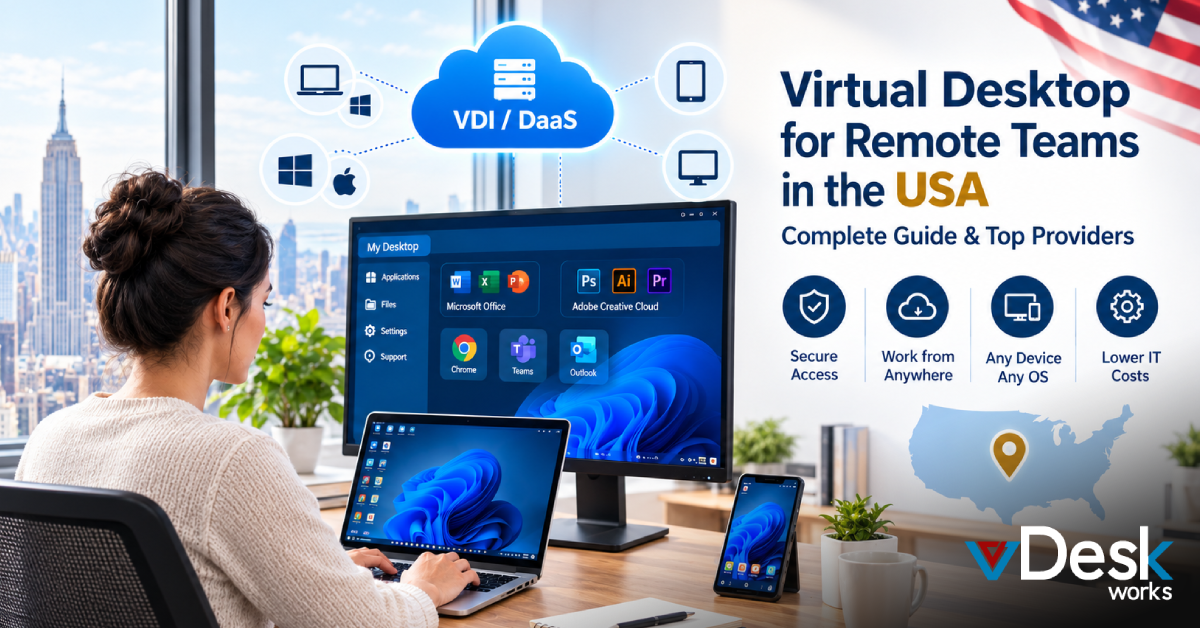
Cloud PC takes this concept further by delivering complete desktop environments through the cloud. Instead of relying on local machines, users access a centralized workspace that can be managed, updated, and restored in real time.
During disruptions like the CrowdStrike incident, this approach offers significant advantages. Systems can be reset to a known stable state quickly, minimizing downtime and ensuring continuity.
Cloud-based environments also allow for rapid deployment and scaling, enabling organizations to respond to unexpected events without infrastructure limitations.
This is not just about convenience—it is about building resilience into the foundation of IT operations.
Reducing Dependency on Endpoints
One of the most important takeaways from the outage is the risk associated with endpoint dependency. When data and applications reside on individual devices, every device becomes a potential point of failure.
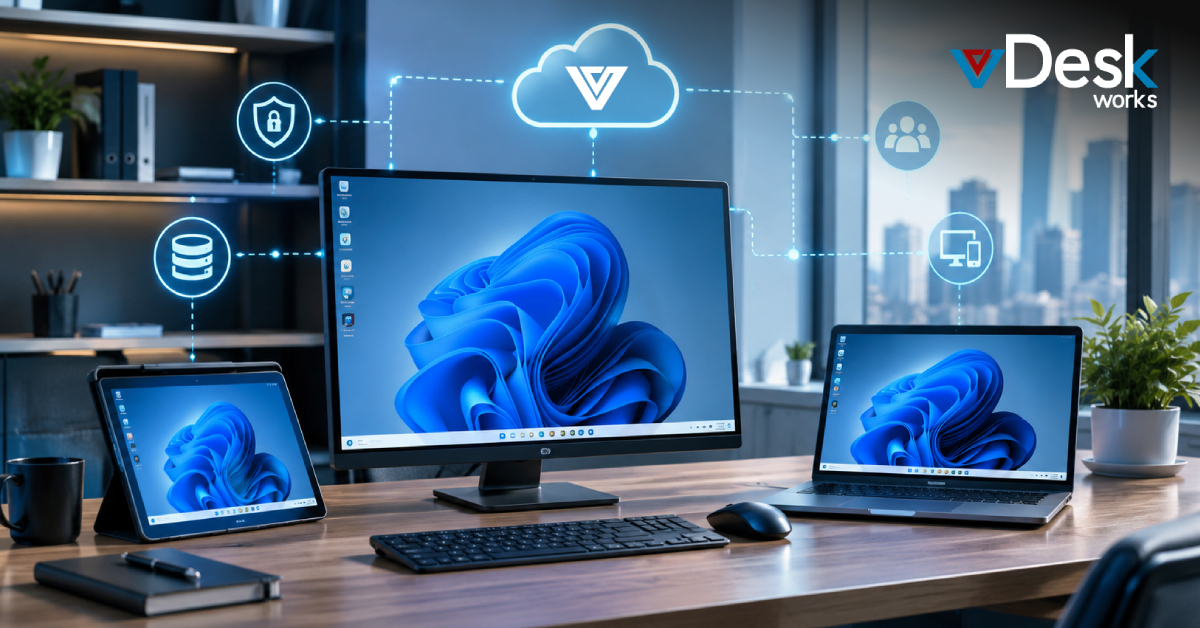
Cloud PC reduces this risk by keeping data and processing within a secure cloud environment. Devices become simple access points rather than critical components of the system.
This not only improves security but also ensures that work can continue even if individual devices fail or become compromised.
In a hybrid work environment, where employees use a variety of devices and networks, this level of independence is essential.
Why Managed Cloud Environments Make the Difference
Another key lesson from the outage is the value of managed services. Organizations with dedicated teams monitoring and managing their environments were able to respond faster and recover more efficiently.
Managed cloud environments provide continuous monitoring, proactive maintenance, and rapid incident response. This ensures that issues are detected and addressed before they escalate.
In contrast, organizations managing their own infrastructure often face delays due to limited resources and visibility.
The difference is not just technical—it is operational. Managed environments turn reactive IT into proactive IT.
Why vDeskWorks Cloud PC Builds True Operational Resilience?
As organizations rethink their IT strategies, vDeskWorks Cloud PC offers a solution designed to address the challenges highlighted by global outages.
vDeskWorks centralizes desktops, applications, and data in a secure cloud environment, reducing reliance on physical endpoints. This allows organizations to manage and recover systems from a single control layer, rather than dealing with individual devices.
In the event of an issue, environments can be quickly restored or reconfigured, minimizing downtime and ensuring business continuity. This aligns perfectly with the need for resilience in hybrid and global work environments.
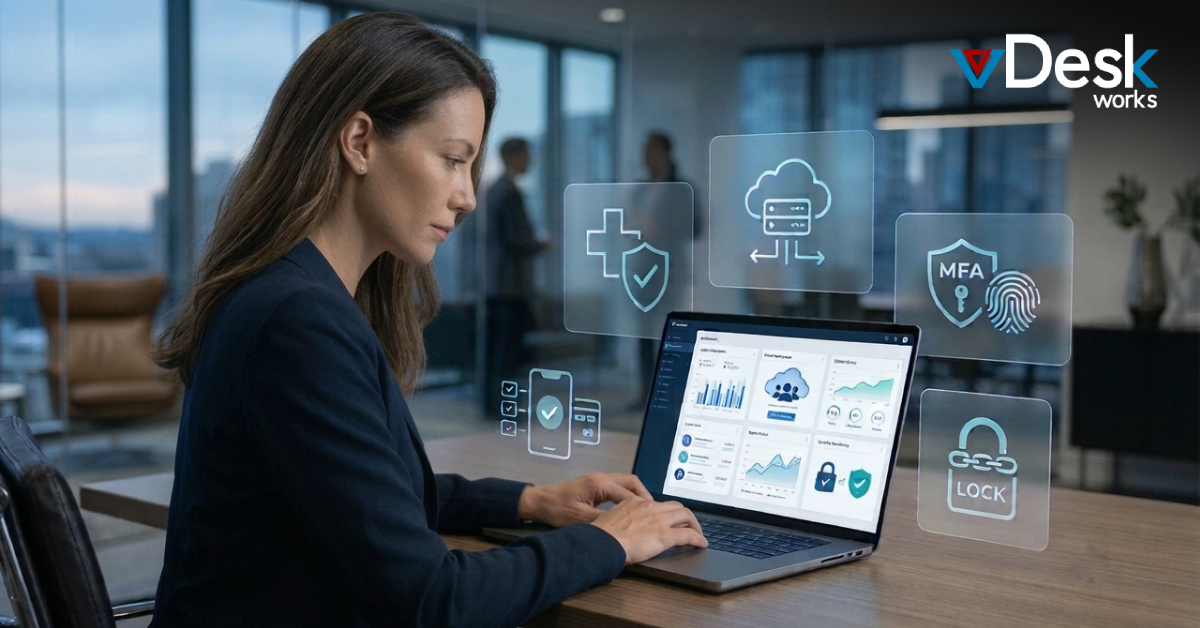
vDeskWorks Cloud PC Solution also provides centralized monitoring and management, enabling IT teams to detect issues early and respond effectively. This proactive approach reduces the risk of large-scale disruptions and improves overall system stability.
By combining cloud delivery with managed control, vDeskWorks transforms how organizations handle both everyday operations and unexpected events.
The Future of IT Must Be Built for Failure, Not Just Performance
The CrowdStrike outage was not just a technical failure—it was a reminder of how fragile modern systems can be. Even a small issue can have massive consequences when infrastructure is tightly coupled and widely distributed.
The future of IT must prioritize resilience as much as performance. Systems need to be designed with the expectation that failures will occur, and they must be able to recover quickly and efficiently.
Cloud PC represents a step in this direction. It provides a foundation where environments are centralized, scalable, and easier to manage, reducing the impact of disruptions.
In a world where downtime can affect millions, the ability to recover quickly is no longer optional—it is a necessity.
And for organizations looking to build that resilience, the shift to cloud-first work environments is not just a trend. It is the next logical step.
 Jerry Clark