When I first tried Windows 11's Virtual Desktops, I was excited. I planned to dedicate one Virtual Desktops space to work and another Virtual Desktops space to personal projects, thinking Virtual Desktops would become an indispensable feature for staying organized. Unfortunately, the reality with Virtual Desktops quickly soured, and I found multiple reasons to abandon Virtual Desktops entirely.
One major annoyance with Virtual Desktops was how Windows constantly switched me to the "wrong" Virtual Desktops desktop. I'd be on my personal Virtual Desktops desktop, click an everyday app like WhatsApp, and suddenly find myself yanked to the work Virtual Desktops desktop because an instance was already open there. This broke my flow repeatedly. Instead of keeping spaces separate and peaceful with Virtual Desktops, the Virtual Desktops feature forced constant back-and-forth switching (even with the handy Ctrl + Win + arrow shortcut for Virtual Desktops). After doing this dozens of times a day because of Virtual Desktops, the mental overhead made the whole Virtual Desktops system counterproductive.
Another issue emerged as I experimented with more Virtual Desktops. I created separate Virtual Desktops for my current project, an upcoming one, and personal research. I'd also open "just in case" tabs for articles to read later. Before long, tabs scattered across multiple Virtual Desktops, leading to duplicates, forgotten windows, and clutter. When deadlines loomed, I'd waste precious time hunting down tabs across Virtual Desktops, closing duplicates, and reorganizing everything in Virtual Desktops. What was meant to boost productivity with Virtual Desktops turned into an extra chore that left me exhausted rather than focused.
Reliability after restarts or unexpected shutdowns was the final straw with Virtual Desktops. Windows 11 doesn't persist Virtual Desktops layouts or app placements reliably after a reboot—whether from a forgotten update, power outage, or crash. Everything reopened on the main desktop, forcing me to manually recreate my Virtual Desktops setup: reopening apps, repositioning windows, and reloading tabs in Virtual Desktops. Losing progress on important work this way because of Virtual Desktops was incredibly frustrating, especially since I sometimes forget to schedule restarts properly.
That said, I recognize Virtual Desktops work well for some users. If you stick to just two or three Virtual Desktops, set clear rules (e.g., specific apps always on certain Virtual Desktops), and avoid overloading Virtual Desktops with temporary tabs, the Virtual Desktops feature can genuinely help compartmentalize tasks without chaos. Strict habits make a big difference with Virtual Desktops.
For me, though, the drawbacks of Virtual Desktops outweighed any benefits. Sticking to a single desktop keeps things simpler and more productive. I focus on one project at a time, finish it faster, and move on—without the temptation to multitask excessively across Virtual Desktops spaces. Tools like Snap Layouts, pinned apps on the taskbar, and my browser's (Comet) reliable session restore handle most needs without extra mental load from Virtual Desktops. If I ever truly need separation for simultaneous major tasks, I might revisit Virtual Desktops—but for daily use, one clean workspace lets me work at my own pace without constant interruptions or cleanup from Virtual Desktops.
Discover a Better Alternative: vDeskWorks Virtual Desktop Solution
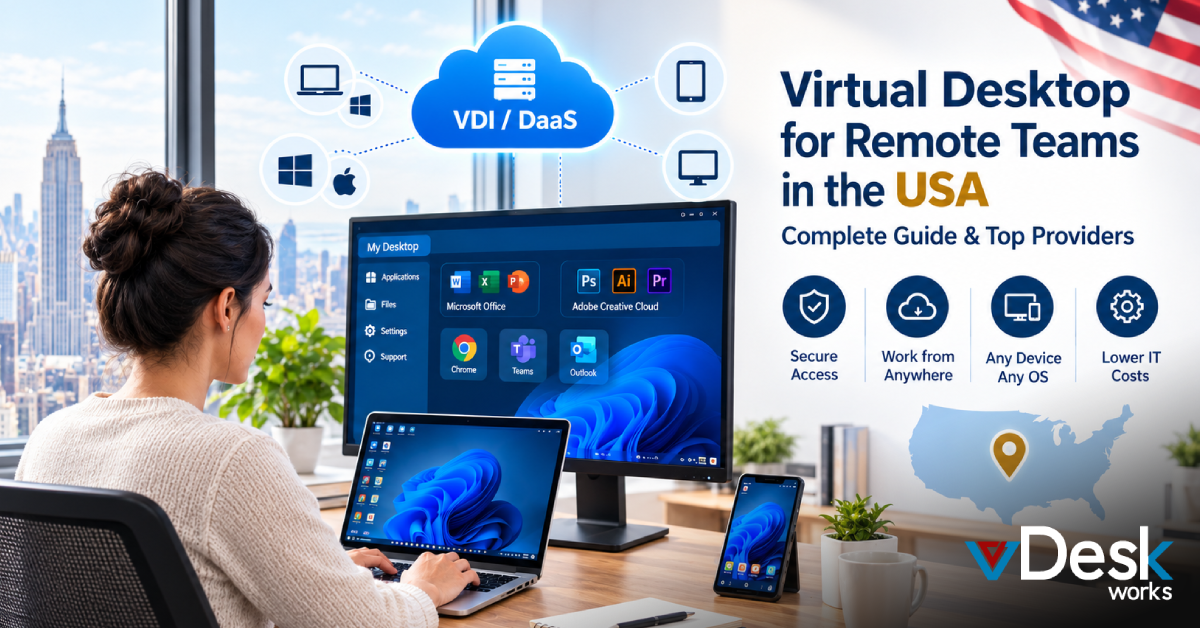
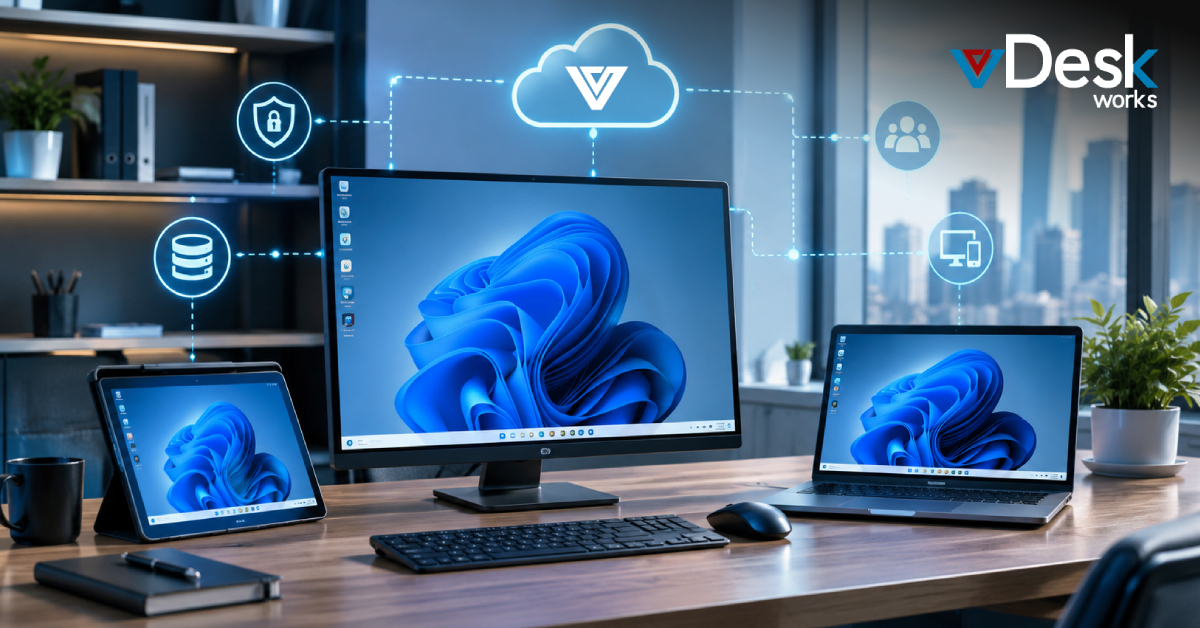
If the limitations of Windows 11's built-in Virtual Desktops have left you frustrated—like unreliable persistence, constant unwanted switching, and scattered workflows—consider upgrading to a professional cloud-based solution. vDeskWorks Virtual Desktop Solution stands out as a leading Desktop as a Service (DaaS) and Virtual Desktop Infrastructure (VDI) provider, delivering secure, high-performance virtual desktops that truly enhance productivity and remote work.
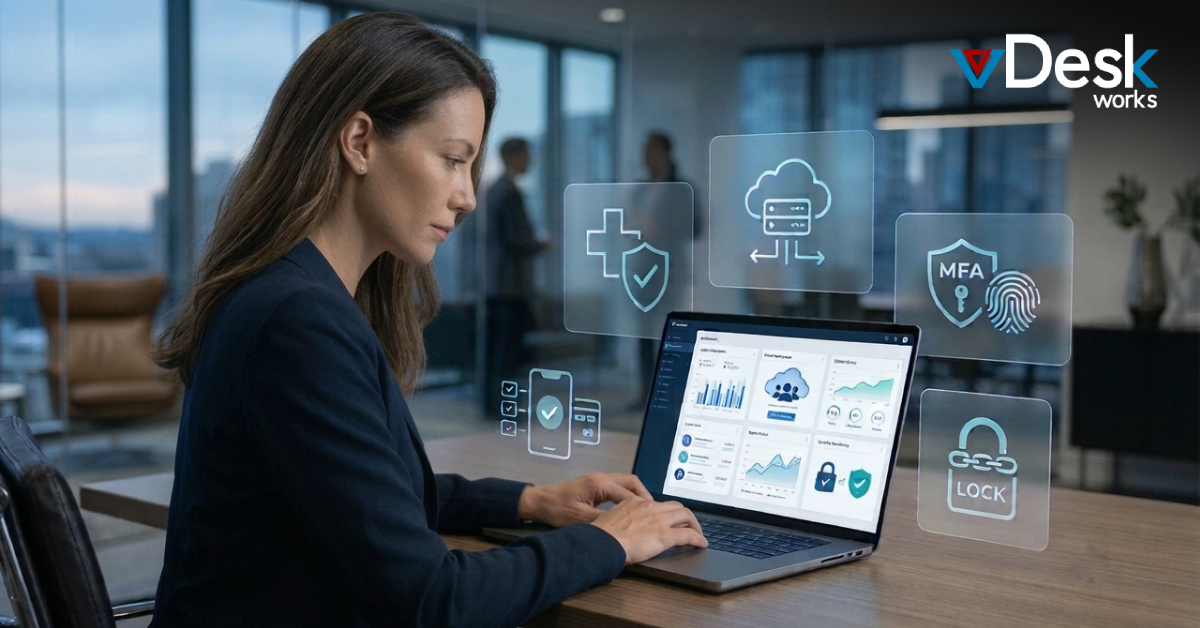
Unlike local multi-desktop features, vDeskWorks offers centralized management, instant scalability, and cross-platform access from any device (Windows, Mac, iOS, Android, even older hardware via BYOD). Your desktops and apps run in the cloud with up to 2x faster performance than traditional PCs, built-in antivirus, daily backups, AES-256 encryption, multi-factor authentication, and compliance support (ideal for industries like accounting, finance, healthcare, or creative work with tools like AutoCAD, Photoshop, or QuickBooks).
Key advantages include:
- Persistent and reliable setups — No more losing layouts after restarts; everything saves securely in the cloud.
- Seamless remote access — Work from anywhere with HTML5 web access, local peripheral support, drag-and-drop files, and shared clipboard.
- Cost-effective and managed — Pay-as-you-go model eliminates hardware upkeep, with global deployment, high availability, and expert support (including free remote assistance).
- Trusted by thousands — Over 25,000 users and 200+ businesses worldwide rely on it for secure, efficient virtual desktops.
Whether you're a small business, enterprise, or individual tired of local Virtual Desktops chaos, vDeskWorks provides a robust, future-proof upgrade. Visit https://vdeskworks.com/ to explore features, request a live demo, or download their free eBook on virtual workspaces. Transform your workflow today—secure, fast, and truly organized!
In the end, Windows 11's Virtual Desktops promised better organization but delivered instability, scattered focus, and unnecessary management for my workflow.
 Noah Thompson