Starting a business comes with countless challenges, and managing IT infrastructure is often one of the most complex. Traditionally, startups had to invest heavily in physical systems, hardware, and IT teams just to keep operations running smoothly. Today, that model is outdated. Modern startups are turning to Cloud Desktop solutions to simplify operations, reduce costs, and scale effortlessly.
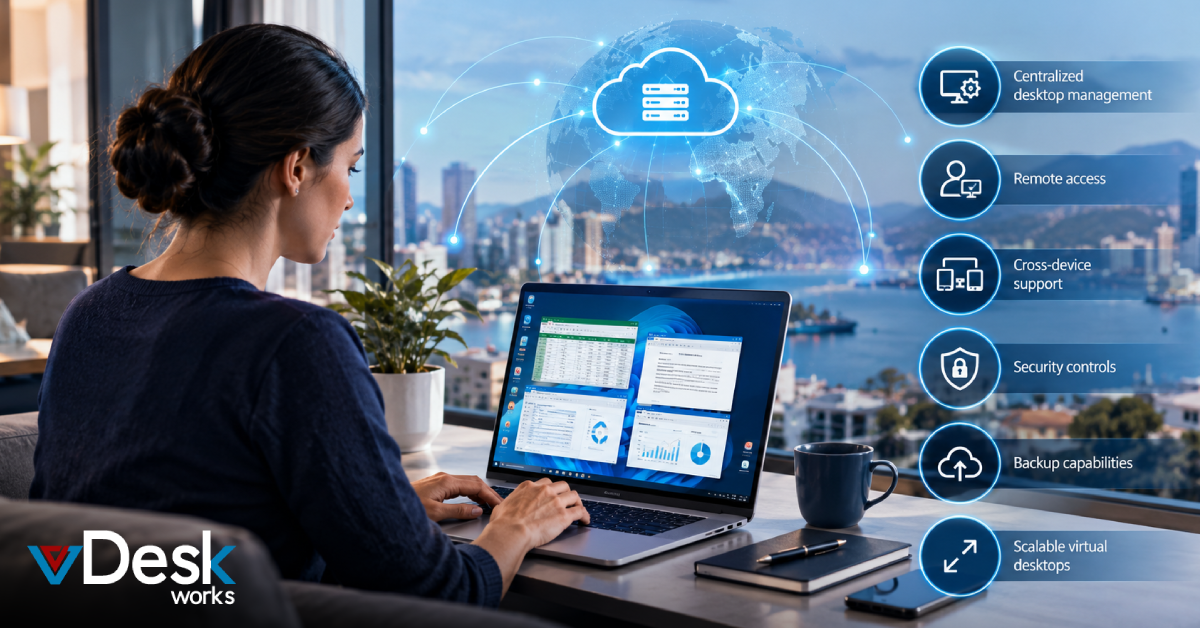
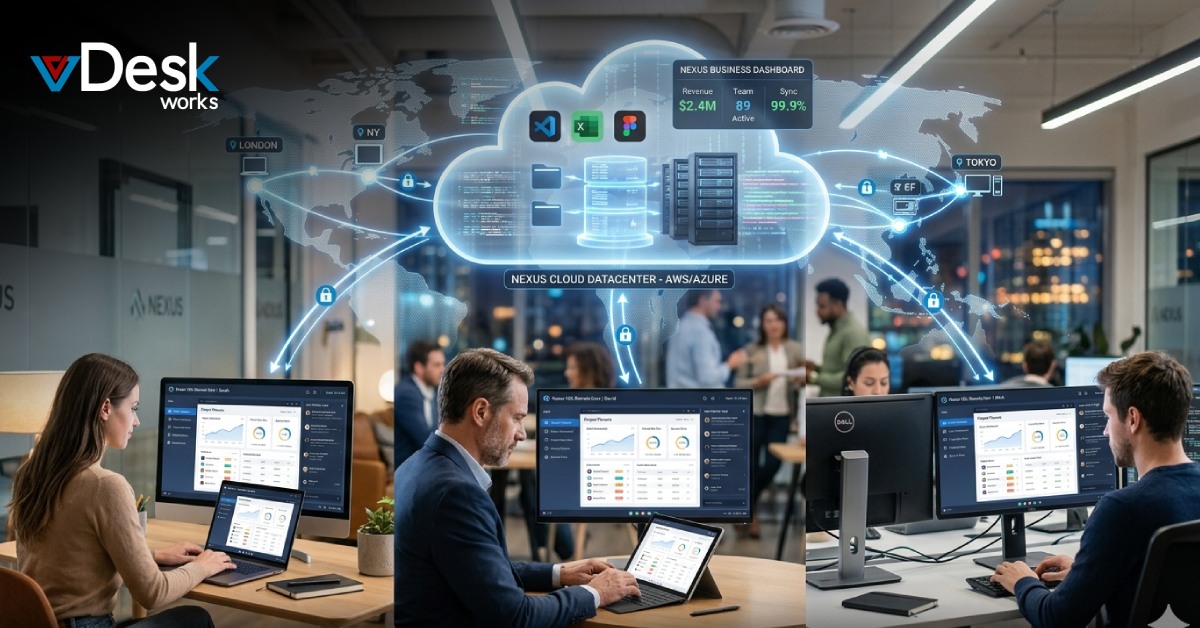
A Cloud Desktop provides a virtual desktop environment hosted on the cloud, allowing businesses to access their systems, applications, and data from anywhere. This approach eliminates the need for expensive hardware and gives startups the flexibility they need to grow in a competitive market.
In this blog, we’ll explore why Cloud Desktop is becoming the preferred choice for startups and how it helps them succeed.
1. Stronger Data Security
Security is a top concern for any startup. Protecting sensitive business information and customer data requires advanced systems and constant monitoring—something that can be difficult for small teams to manage.
Cloud Desktop solutions offer enterprise-grade security features, including data encryption, secure access controls, and continuous monitoring. Unlike traditional systems, where data is stored locally and can be vulnerable to theft or damage, Cloud Desktop environments store data securely in the cloud.
This ensures that startups can operate with confidence, knowing their data is protected against cyber threats and unauthorized access.
2. Work from Anywhere, Anytime
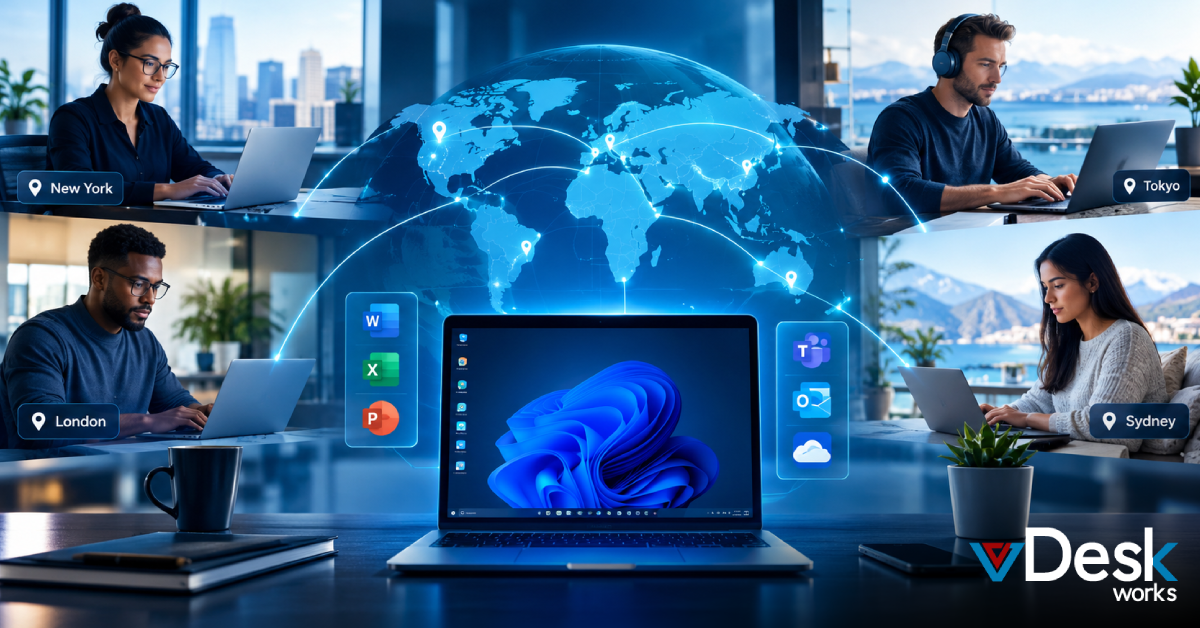
Startups often rely on flexible work environments, remote teams, and global collaboration. A Cloud Desktop makes this possible by enabling access to work environments from any device, anywhere in the world.
Employees can log in to their Cloud Desktop using a laptop, tablet, or even a smartphone and continue working seamlessly. All files, applications, and settings remain consistent, regardless of the device being used.
This level of accessibility improves team collaboration, increases productivity, and allows startups to hire talent without geographical limitations.
3. Lower IT Costs
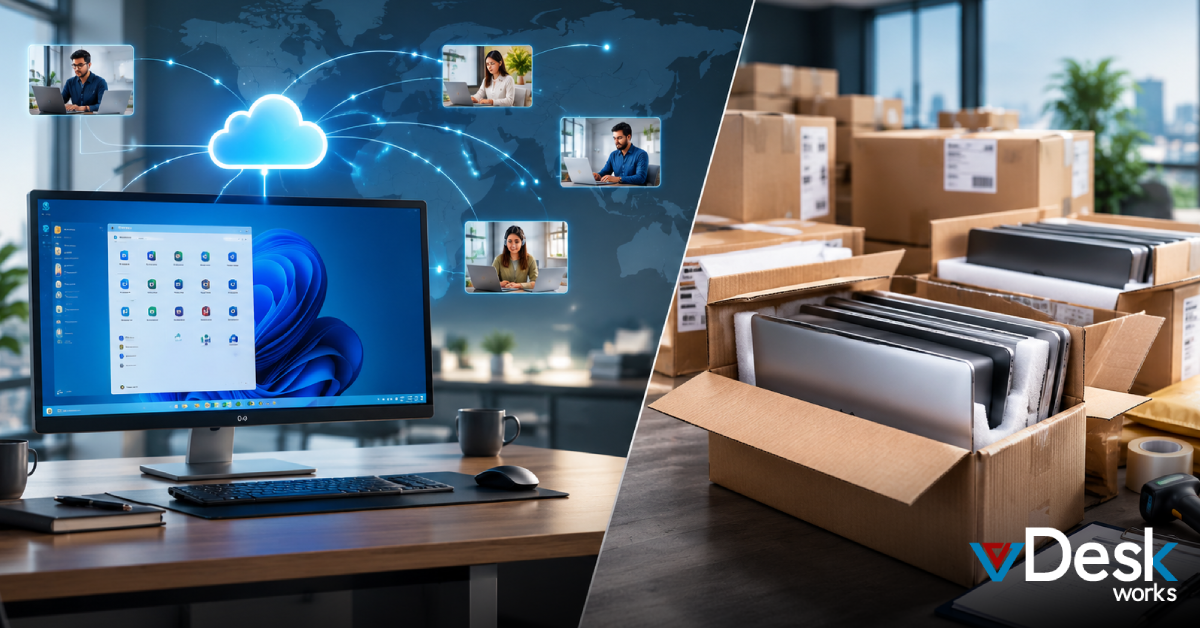
Managing costs is crucial for startups, especially in the early stages. Traditional IT infrastructure involves high upfront investments in hardware, maintenance, and skilled personnel.
Cloud Desktop eliminates these expenses by offering a subscription-based or pay-as-you-go model. Startups only pay for the resources they use, which helps them optimize their budgets.
Additionally, there is no need to upgrade hardware frequently, as everything runs on cloud servers. This significantly reduces operational costs and allows startups to invest more in growth and innovation.
4. Seamless Scalability
Growth is unpredictable for startups. A sudden increase in users or business operations can put pressure on traditional systems, leading to slow performance or downtime.
Cloud Desktop solutions provide instant scalability. Startups can easily increase or decrease resources based on their needs without investing in new infrastructure.
Whether onboarding new employees or expanding operations, Cloud Desktop ensures that businesses can scale quickly and efficiently without disruption.
5. Faster Setup and Deployment
Time is a critical factor for startups. Setting up traditional IT systems can take weeks, delaying product launches and operations.
With Cloud Desktop, deployment is quick and hassle-free. Startups can set up virtual desktops within minutes and get their teams up and running almost instantly.
This speed allows businesses to focus on launching their products, testing new ideas, and responding to market demands without unnecessary delays.
6. Reliable Backup and Disaster Recovery
Data loss can be catastrophic for startups. Hardware failures, cyberattacks, or accidental deletions can disrupt operations and lead to significant losses.
Cloud Desktop solutions come with built-in backup and disaster recovery features. Data is automatically backed up and stored across multiple secure servers.
In case of any issue, startups can quickly restore their data and resume operations with minimal downtime. This ensures business continuity and protects against unexpected disruptions.
7. Focus on Core Business Activities
One of the biggest advantages of Cloud Desktop is that it allows startups to focus on their core business goals instead of IT management.
Handling infrastructure, updates, and maintenance can take valuable time and resources. Cloud Desktop providers manage all these aspects, freeing startups to concentrate on innovation, customer experience, and growth.
This shift in focus helps startups operate more efficiently and stay competitive in a fast-paced market.
Why Cloud Desktop is the Future for Startups?
Cloud Desktop is more than just a technological upgrade—it’s a strategic decision that enables startups to operate smarter. With benefits like enhanced security, remote accessibility, cost savings, and scalability, it provides everything a modern startup needs to succeed.
As businesses continue to embrace digital transformation, Cloud Desktop is becoming an essential tool for building agile and resilient organizations.
Power Your Startup with vDeskWorks Cloud Desktop
If you’re looking for a reliable and high-performance solution, vDeskWorks Cloud Desktop is designed specifically for modern businesses and startups.
With secure access, seamless scalability, and enterprise-grade performance, vDeskWorks Cloud Desktop empowers your team to work from anywhere while keeping your data safe and operations efficient.
Whether you’re just starting out or scaling rapidly, vDeskWorks Cloud Desktop provides the flexibility and reliability you need to grow without limits.
Conclusion
Startups need solutions that are flexible, cost-effective, and future-ready. Cloud Desktop checks all these boxes, making it the ideal choice for businesses looking to innovate and scale.
By adopting Cloud Desktop, startups can reduce IT complexity, improve productivity, and stay ahead of the competition. It’s not just about managing technology—it’s about enabling growth and success in a digital-first world.
 Emma Carson