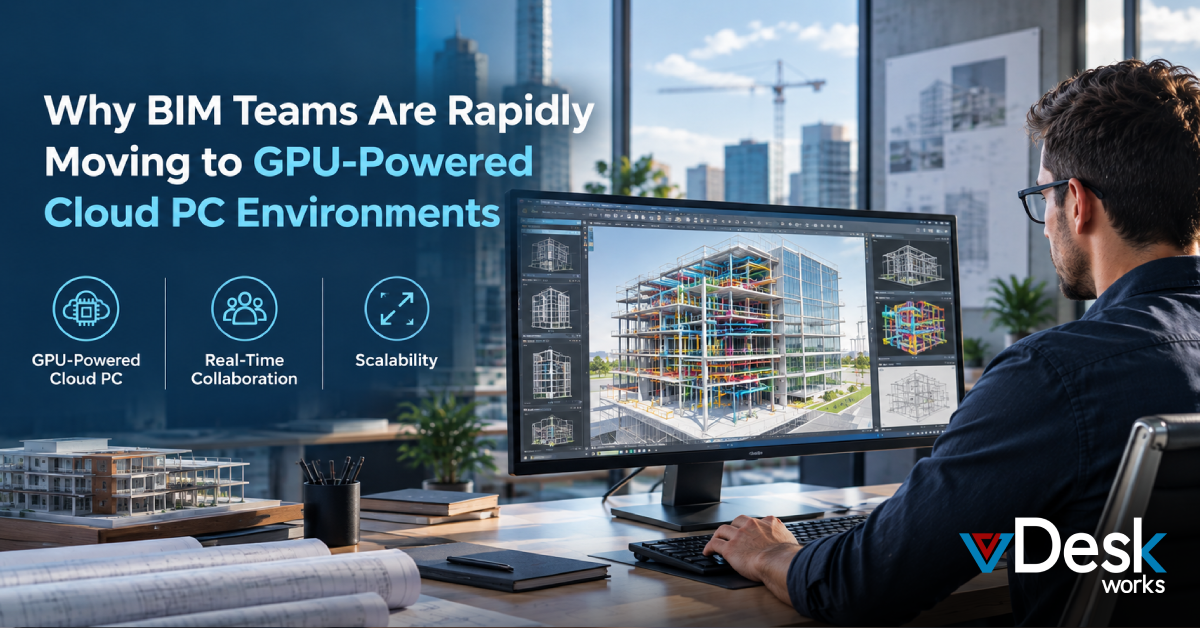
BIM workflows have evolved far beyond simple drafting and modeling. Today’s architecture, engineering, and construction teams work with massive 3D models, real-time visualization, clash detection, simulations, and collaborative project environments that push traditional systems to their limits.
That’s exactly why more BIM teams are moving toward GPU-powered Cloud PC environments.
As projects become larger and more distributed, firms are realizing that local workstations alone can no longer deliver the flexibility and performance modern BIM workflows demand. GPU-hosted desktops are becoming the preferred approach because they combine high-performance graphics processing with the accessibility and scalability of the cloud.
Traditional BIM Workstations Are Starting to Create More Problems Than They Solve
For years, BIM teams relied heavily on expensive physical workstations packed with GPUs and high-end hardware. While those systems handled complex applications reasonably well, they also created operational limitations.
Large Revit models, Navisworks coordination files, and detailed point cloud datasets consume enormous computing resources. As files grow, local systems often struggle with slow rendering, laggy navigation, crashes, and delayed synchronization between teams.
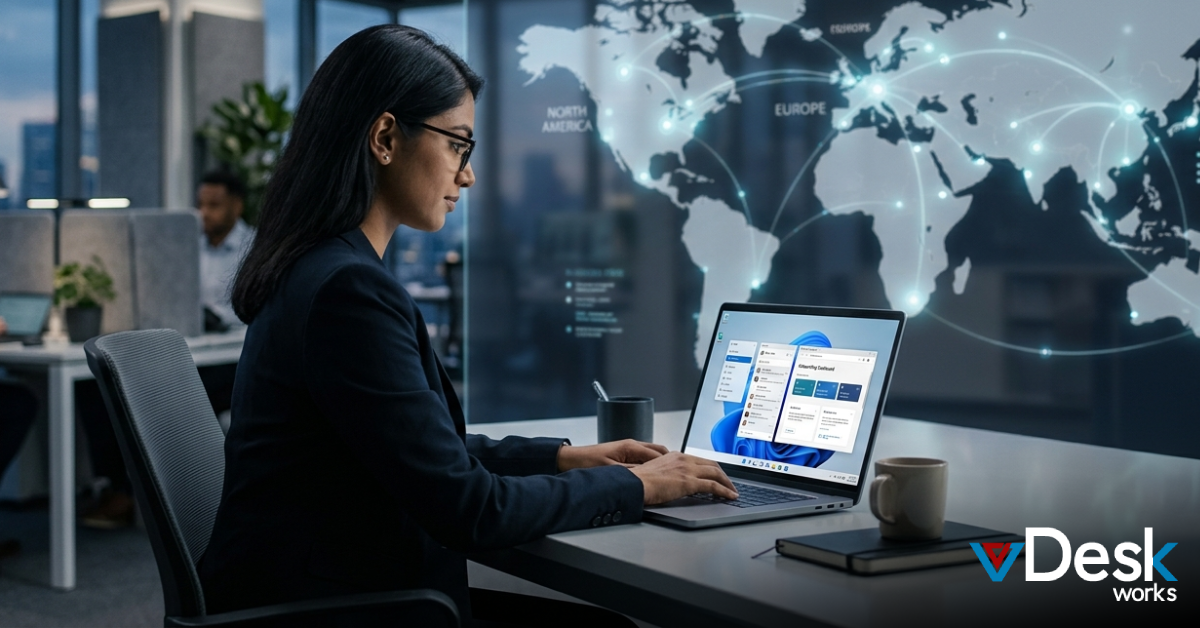
The challenge becomes even bigger in hybrid work environments. BIM professionals now collaborate across offices, construction sites, and remote locations. Accessing large project files through VPNs or transferring files manually slows workflows and increases the risk of version conflicts.
Many teams also face rising hardware costs. High-performance GPU workstations require frequent upgrades to keep pace with evolving BIM applications, especially as AI-assisted design tools and advanced rendering features become more common.
Instead of improving productivity, traditional infrastructure often becomes the bottleneck.
GPU-Powered Cloud PC Changes How BIM Teams Work
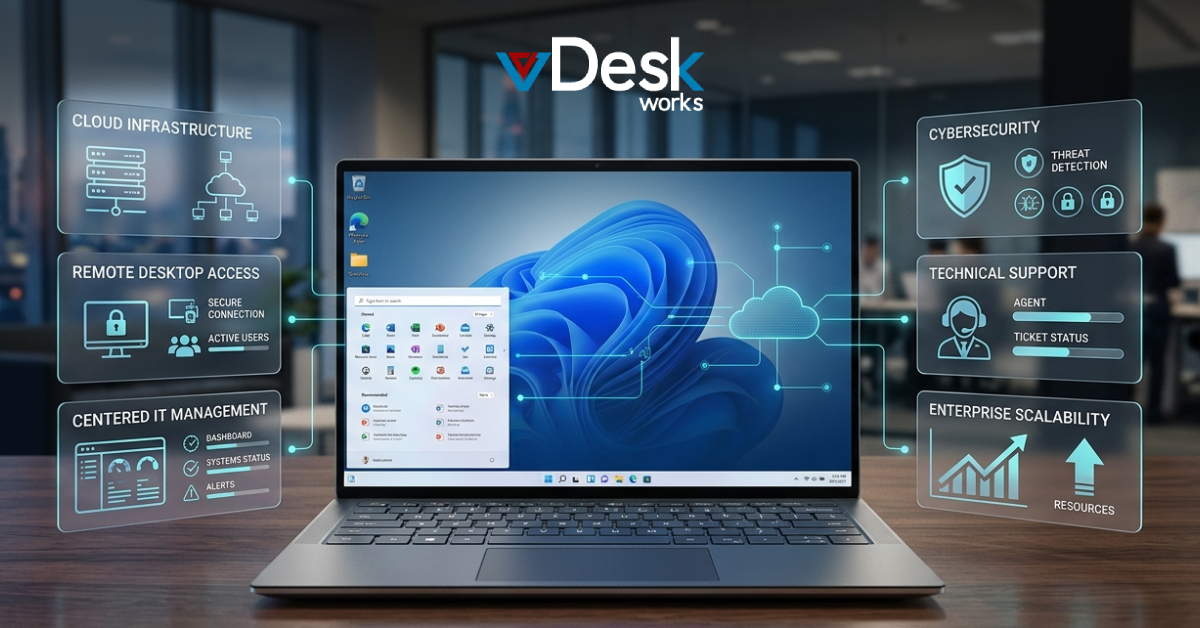
GPU-powered Cloud PC environments shift the heavy processing away from local devices and into centralized cloud infrastructure.
Rather than depending on a physical workstation, architects, engineers, and BIM coordinators access high-performance virtual desktops remotely. These cloud desktops are equipped with dedicated GPU resources capable of handling demanding 3D workloads in real time.
The difference is immediately noticeable.
Complex Revit models load faster. Rendering becomes smoother. Navigation through 3D environments feels more responsive. Teams can rotate, zoom, and edit large BIM models without the lag that often slows traditional systems.
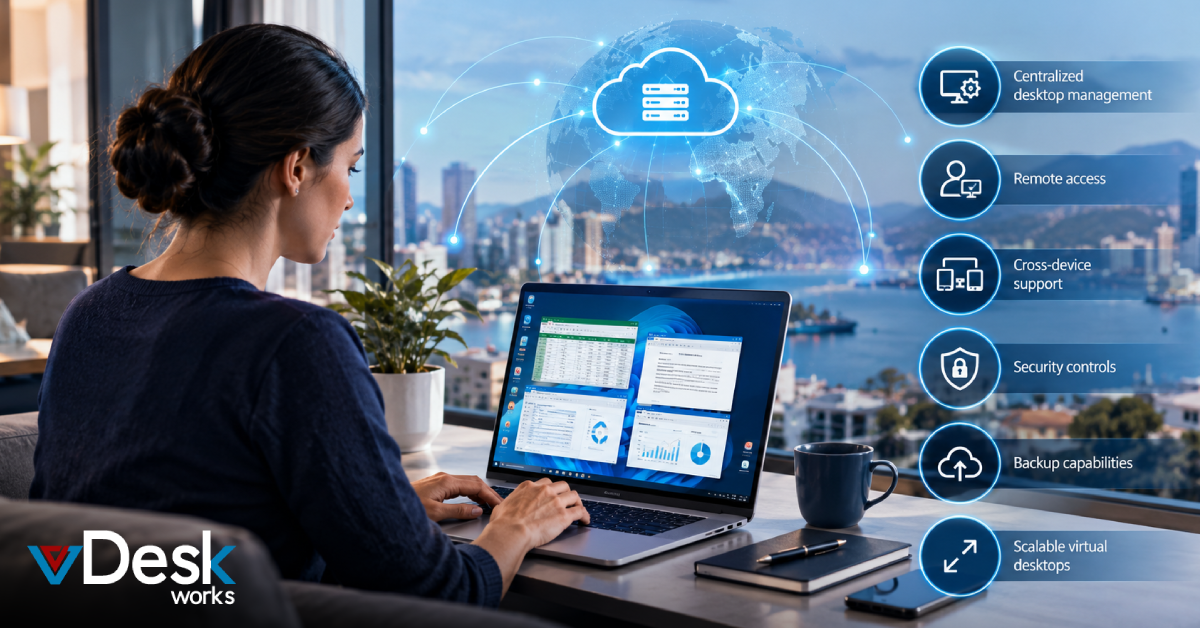
More importantly, the experience remains consistent regardless of the user’s device. Whether someone is working from a lightweight laptop, thin client, or tablet, the actual computing power comes from the cloud environment rather than the local machine.
That flexibility is becoming increasingly valuable for firms managing distributed teams and multiple project locations.
Real-Time Collaboration Is Becoming a Major Advantage
One of the biggest reasons BIM teams are adopting GPU-hosted desktops is collaboration.
Modern construction projects involve architects, structural engineers, MEP consultants, contractors, and project managers working together simultaneously. Traditional workflows built around file transfers and local storage often create delays, duplicated files, and synchronization issues.
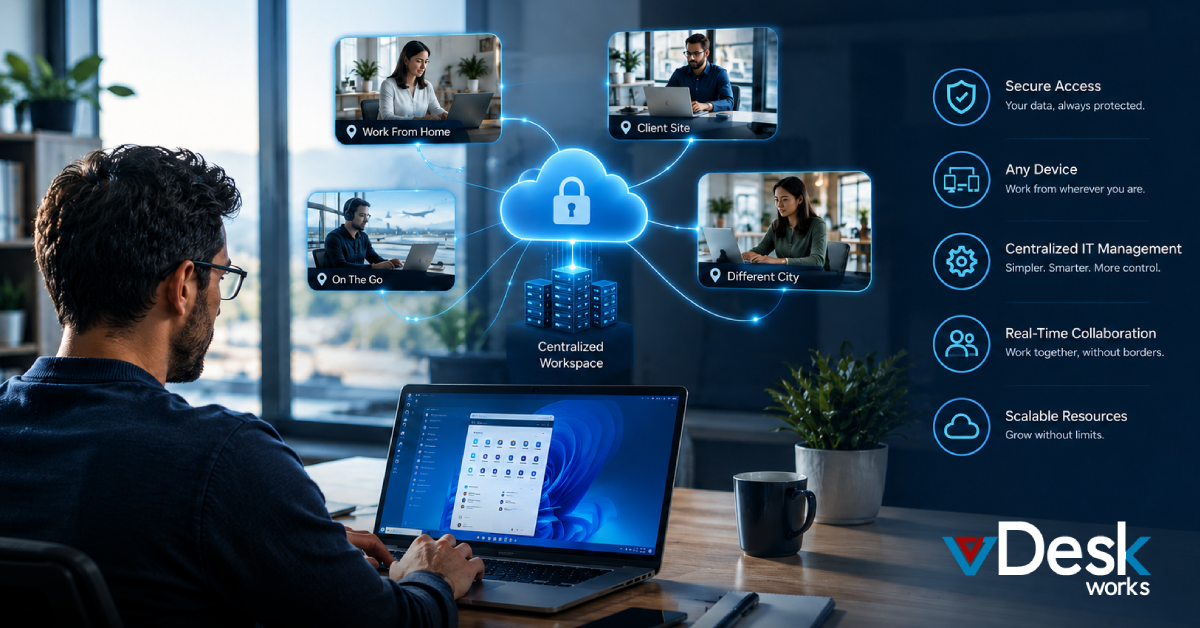
Cloud PC environments centralize the workspace so teams can work within the same environment in real time. Changes made to models become instantly visible to other stakeholders, reducing miscommunication and speeding up approvals.
This also simplifies remote collaboration. BIM professionals no longer need to rely on complicated VPN setups or physically transfer large files between systems. Instead, the data remains centralized while users securely access the environment from anywhere.
Even discussions within BIM communities on Reddit highlight how cloud desktops are helping teams support remote collaboration while reducing dependency on expensive physical workstations.
Scalability Matters More Than Ever
Another major reason firms are moving toward GPU-powered Cloud PC solutions is scalability.
BIM workloads are not always consistent. Certain project phases require intensive rendering, clash detection, and simulation workloads, while others require less GPU capacity. Traditional hardware forces firms to overinvest in infrastructure that may sit underutilized between projects.
Cloud environments change that model completely.
GPU resources can scale up or down based on project requirements, allowing firms to optimize performance without continuously purchasing new hardware.
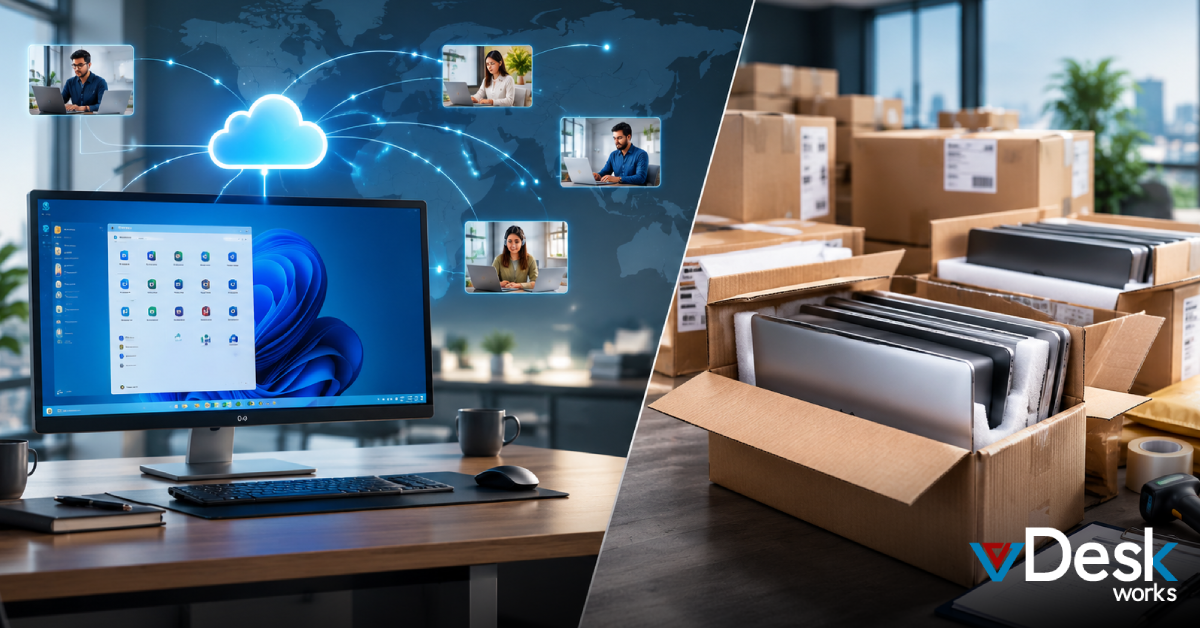
This flexibility also helps firms onboard contractors, freelancers, and offshore teams faster. Instead of shipping expensive workstations or configuring local systems manually, IT teams can provision secure cloud desktops in minutes.
For growing BIM firms, that kind of operational agility is becoming essential.
Why vDeskWorks Cloud PC Fits Modern BIM Workflows
This shift toward GPU-powered cloud environments is exactly where vDeskWorks Cloud PC becomes highly relevant for BIM and AEC teams.
vDeskWorks enables firms to run graphics-intensive BIM applications like Autodesk Revit, AutoCAD, Navisworks, and other 3D modeling tools within secure, high-performance Cloud PC environments. Teams can access centralized workspaces from virtually any device while maintaining the responsiveness needed for demanding BIM workflows.
What makes the approach especially effective is the balance between performance, collaboration, and infrastructure simplicity. Instead of constantly managing workstation upgrades, scattered project files, and remote access limitations, firms can centralize everything into one scalable environment.
This creates a more flexible workflow where BIM professionals can collaborate in real time, access large project files securely, and scale resources based on project complexity without major infrastructure investments.
Final Thoughts
BIM workflows are becoming more demanding, collaborative, and distributed every year. Traditional workstation-based environments are increasingly struggling to keep pace with the performance and flexibility modern projects require.
GPU-powered Cloud PC environments solve many of these challenges by combining centralized infrastructure, real-time collaboration, scalable GPU performance, and remote accessibility into one unified workspace.
For BIM teams trying to manage larger models, faster project timelines, and hybrid work environments, that shift is no longer just a technical upgrade—it’s quickly becoming the new standard.
 Emma Carson