For years, businesses relied heavily on on-premises infrastructure to run desktops, applications, storage, and internal systems. Everything stayed inside the office — servers sat in dedicated rooms, desktops were tied to physical locations, and IT teams managed every upgrade, patch, and hardware issue internally.
That model worked when work itself was centralized.
But today’s business environment looks very different. Teams are distributed, employees work remotely, applications are cloud-based, and organizations expect infrastructure to scale faster than ever before. As a result, many businesses are now moving away from traditional on-premises environments and adopting Cloud PC solutions that offer greater flexibility, accessibility, and operational efficiency.
Why Traditional On-Premises Infrastructure Is Becoming Harder to Manage
On-premises infrastructure gives businesses direct control over hardware and systems, but maintaining that control comes with growing complexity.
Servers require continuous monitoring, desktops need regular upgrades, storage expands over time, and security management becomes more demanding every year. As organizations grow, infrastructure often becomes fragmented across offices, departments, and remote teams.
The challenge becomes even bigger in hybrid work environments.
Employees now expect seamless access to applications and data regardless of location, but traditional office-based systems were never designed for that level of flexibility. VPN bottlenecks, aging hardware, inconsistent remote access experiences, and rising maintenance costs are pushing many IT teams toward cloud-first strategies.
Discussions within IT communities also reflect how businesses are increasingly reevaluating traditional on-premises environments because of operational overhead and accumulated infrastructure complexity.
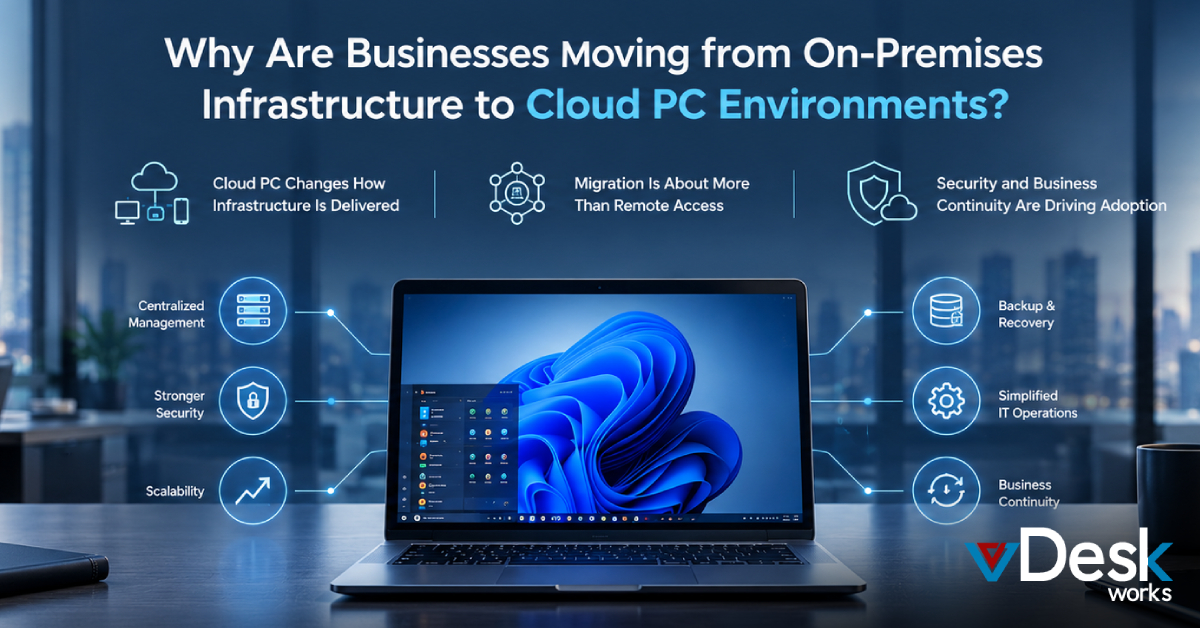
Cloud PC Changes How Infrastructure Is Delivered
Cloud PC environments fundamentally shift where desktops and computing resources operate.
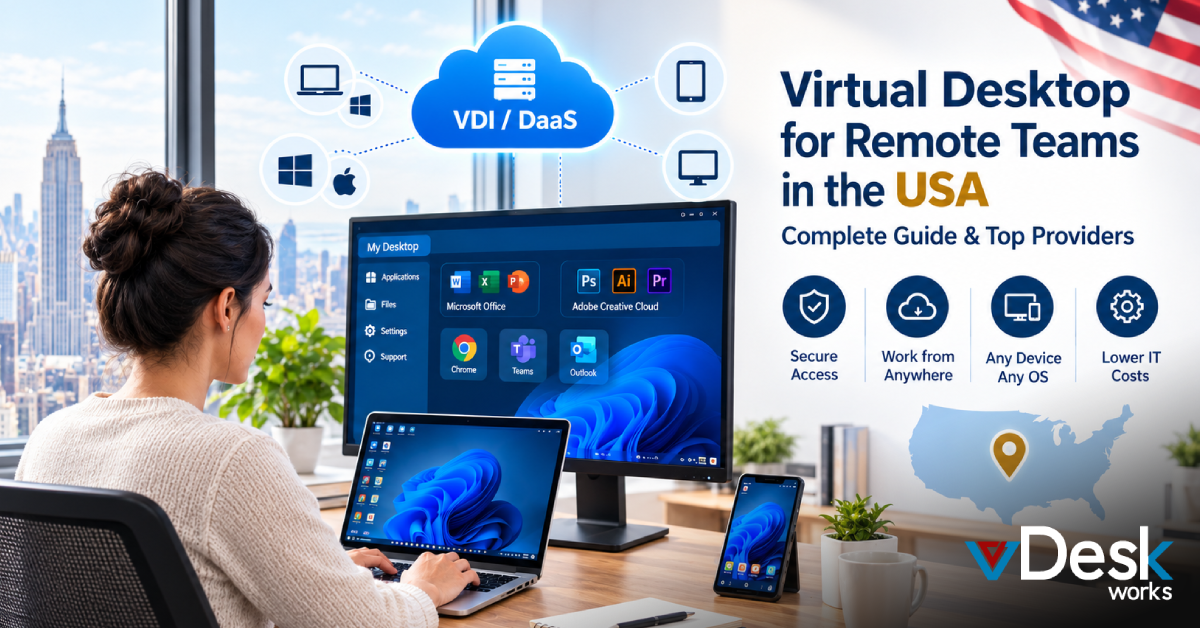
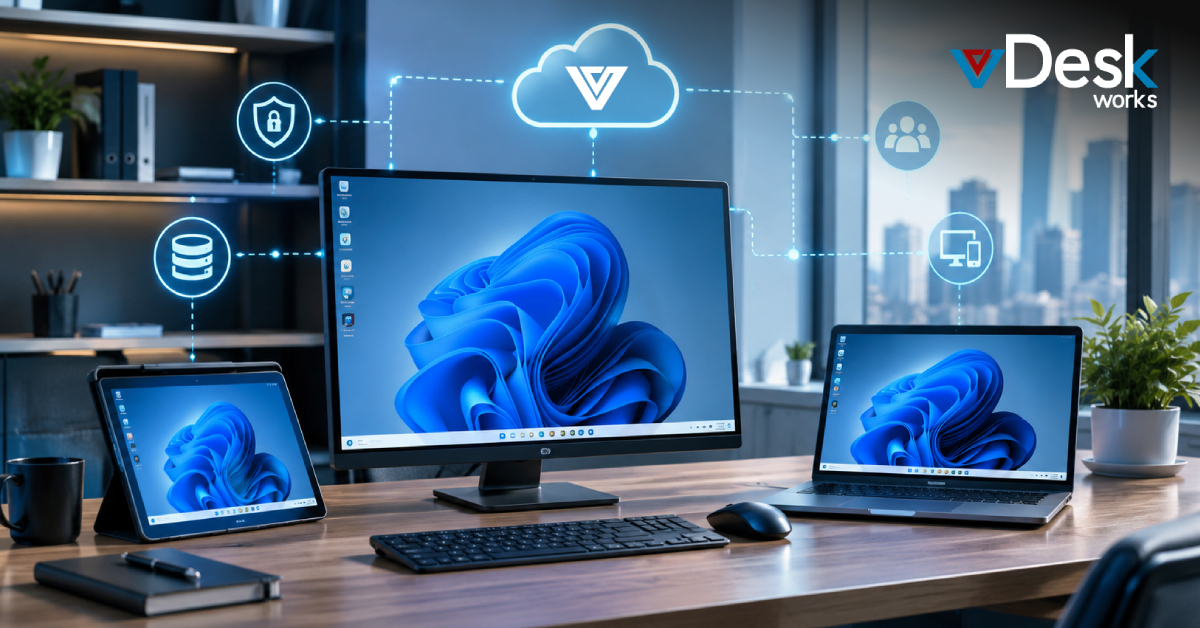
Instead of relying on local office hardware, desktops and applications run within centralized cloud infrastructure while employees securely access them through internet-connected devices. The user experience remains familiar, but the infrastructure behind it becomes far more flexible.
This model removes many of the limitations tied to physical offices and local systems.
Employees can securely access the same workspace from laptops, thin clients, tablets, or even personal devices without depending on office-based hardware. Businesses also gain centralized desktop management, easier scaling, and simplified provisioning for new users.
Rather than constantly expanding local infrastructure, organizations can scale resources dynamically through the cloud environment itself.
Migration Is About More Than Remote Access
Many businesses initially move to Cloud PC because of remote work requirements, but the long-term benefits extend far beyond accessibility.
One of the biggest advantages is operational simplicity.
Traditional infrastructure requires businesses to continuously manage:
- Hardware refresh cycles
- Server maintenance
- Security updates
- Backup infrastructure
- Endpoint management
- Disaster recovery planning
Cloud PC environments centralize much of this management within the hosted infrastructure itself. IT teams spend less time maintaining physical systems and more time focusing on operations, security, and business growth.
Organizations also gain better flexibility when onboarding remote employees, opening new locations, or supporting distributed workforces because the desktop environment is no longer tied to one physical office.
Security and Business Continuity Are Driving Adoption
Security has become one of the strongest drivers behind cloud desktop adoption.
In traditional environments, sensitive business data often remains spread across multiple desktops, office systems, and endpoint devices. That creates visibility and security challenges, especially with remote employees accessing systems from different locations.
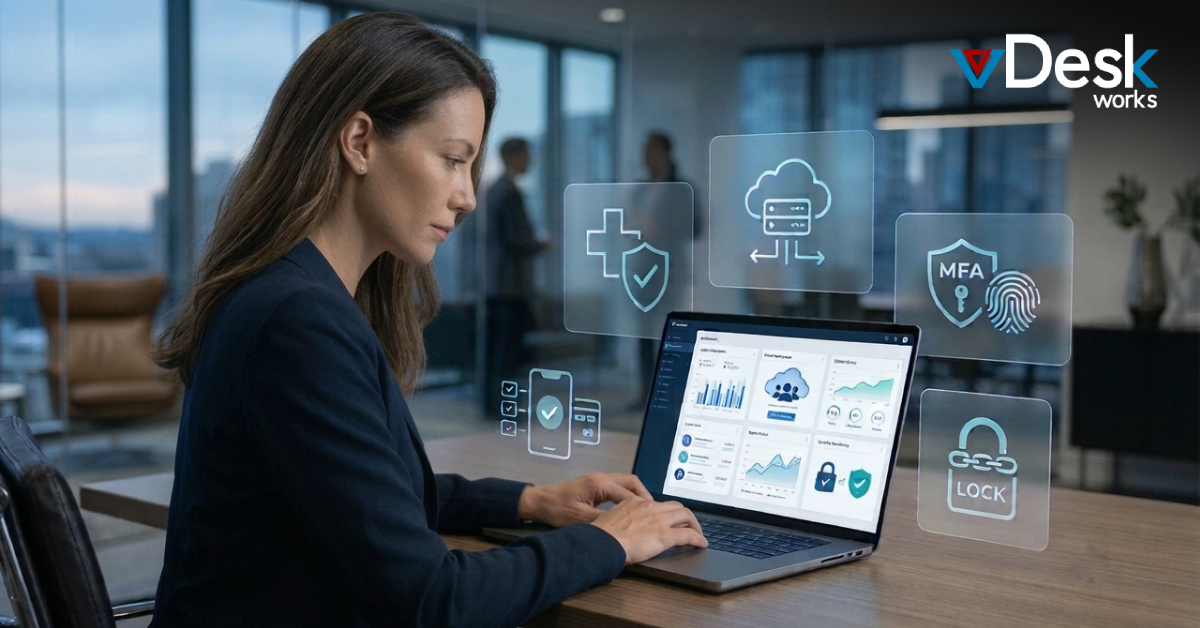
Cloud PC environments centralize applications and data within managed infrastructure, reducing dependency on local devices and improving overall visibility. Features like centralized access control, automated backups, MFA, and managed security policies help businesses improve security posture while simplifying compliance management.
Business continuity is another major factor.
If an office loses power, a device fails, or employees need to relocate temporarily, cloud desktops remain accessible from other devices without interrupting operations. That level of resilience has become increasingly important for modern organizations supporting hybrid work environments.
Why vDeskWorks Cloud PC Fits Modern Migration Strategies?
This is exactly where vDeskWorks Cloud PC becomes highly relevant for businesses transitioning from on-premises infrastructure.
Instead of maintaining aging servers, fragmented desktop environments, and complex remote access systems internally, organizations can move toward centralized Cloud PC environments designed for flexibility and scalability.
vDeskWorks allows businesses to securely deliver desktops, applications, and business data through the cloud while simplifying infrastructure management across distributed teams. Employees gain secure access from virtually any device, while IT teams reduce the operational burden tied to maintaining physical infrastructure.
What makes the shift especially practical is the ability to modernize gradually. Businesses can move workloads, users, and applications into cloud environments without completely disrupting existing workflows.
For organizations balancing hybrid work, rising IT costs, and growing infrastructure complexity, Cloud PC creates a far more agile workspace model.
Final Thoughts
The shift from on-premises infrastructure to Cloud PC is not just a technology upgrade — it reflects a larger change in how businesses operate today.
Modern organizations need infrastructure that supports flexibility, remote accessibility, scalability, and centralized security without constantly increasing operational complexity.
Traditional on-premises environments still work for some businesses, but many organizations are realizing that maintaining physical infrastructure no longer aligns with how modern workforces actually function.
Cloud PC environments solve many of those challenges by delivering desktops and applications as flexible cloud services instead of fixed office systems.
And as hybrid work and cloud adoption continue accelerating, that transition is quickly becoming less of an option and more of a long-term business strategy.
 Emma Carson