Virtualization has become the backbone of modern IT infrastructure, and for years VMware remained the default choice for enterprises managing virtual desktops, servers, and cloud environments. But recently, the market has started shifting.
Rising licensing costs, changing subscription models, and increasing infrastructure complexity have pushed many businesses to explore VMware alternatives that offer better flexibility, scalability, and cost efficiency.
At the same time, organizations are also modernizing how they deliver workspaces and applications. Instead of relying entirely on traditional virtualization stacks, many businesses are moving toward Cloud PC environments that simplify management while supporting hybrid and remote work more effectively.
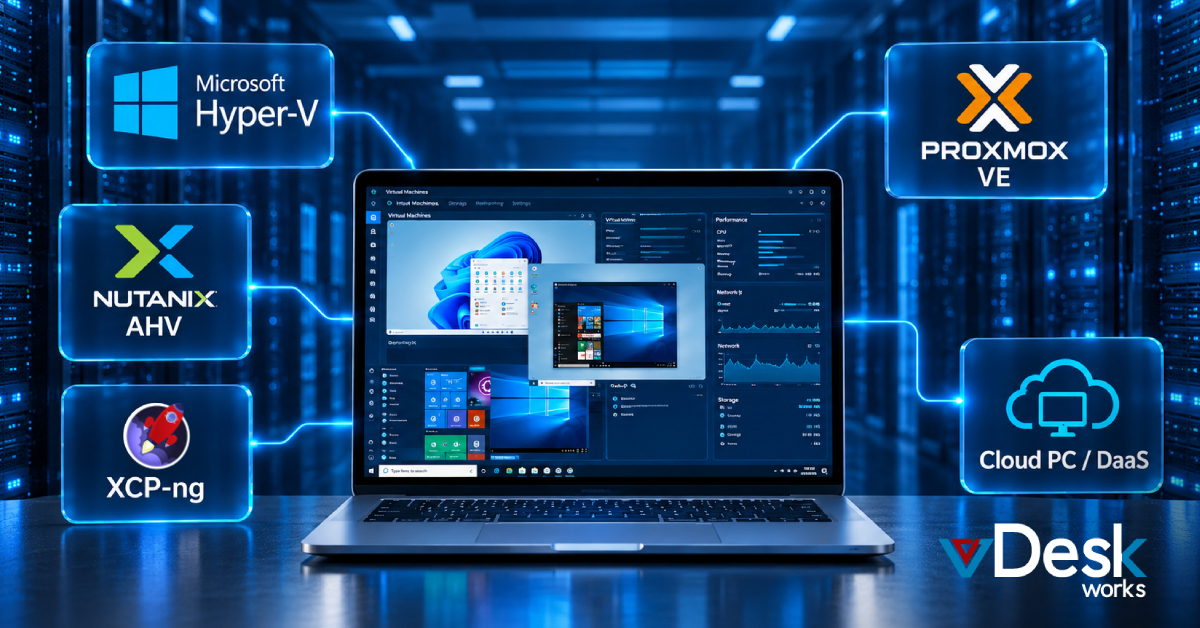
Here are some of the top VMware alternatives businesses are evaluating in 2026.
1. Microsoft Hyper-V
Microsoft Hyper-V continues to be one of the most widely adopted VMware alternatives, especially for organizations already using the Microsoft ecosystem.
Because Hyper-V integrates directly with Windows Server, Active Directory, and Azure services, businesses often find it easier to manage within existing IT environments. It also provides virtualization capabilities without the higher licensing overhead many organizations now associate with VMware.
For businesses already operating within Microsoft-based infrastructure, Hyper-V often becomes the most straightforward migration path.
2. Nutanix AHV
Nutanix AHV has become one of the strongest enterprise-focused VMware alternatives in recent years.
Unlike traditional virtualization platforms, Nutanix combines virtualization with hyper-converged infrastructure (HCI), allowing businesses to simplify storage, compute, and networking management within a single platform.
Organizations often choose Nutanix because it reduces operational complexity while supporting modern workloads like VDI, hybrid cloud deployments, and distributed work environments.
Its centralized management and scalability make it particularly attractive for enterprises modernizing their infrastructure.
3. Proxmox VE
Proxmox VE has gained significant attention among SMBs and mid-sized businesses looking for a cost-effective VMware replacement.
Built on open-source KVM virtualization, Proxmox offers features like clustering, backup management, and container support without expensive licensing requirements.
Many IT professionals appreciate the flexibility and transparency of open-source platforms, especially as businesses become more cautious about vendor lock-in and subscription-based pricing models.
For organizations with internal Linux expertise, Proxmox often provides a highly capable virtualization environment at a much lower cost.
4. XCP-ng
XCP-ng is another open-source virtualization platform becoming increasingly popular among businesses moving away from VMware.
Built as an alternative to Citrix Hypervisor, XCP-ng focuses on delivering enterprise virtualization capabilities without restrictive licensing models. Businesses often choose it for its stability, active community support, and compatibility with existing virtualization workflows.
Because it is open-source, organizations also gain greater control over infrastructure customization and long-term operational costs.
5. Cloud PC and DaaS Platforms
Interestingly, many businesses are no longer replacing VMware with another hypervisor alone. Instead, they are moving toward Cloud PC and Desktop as a Service (DaaS) platforms that simplify workspace delivery altogether.
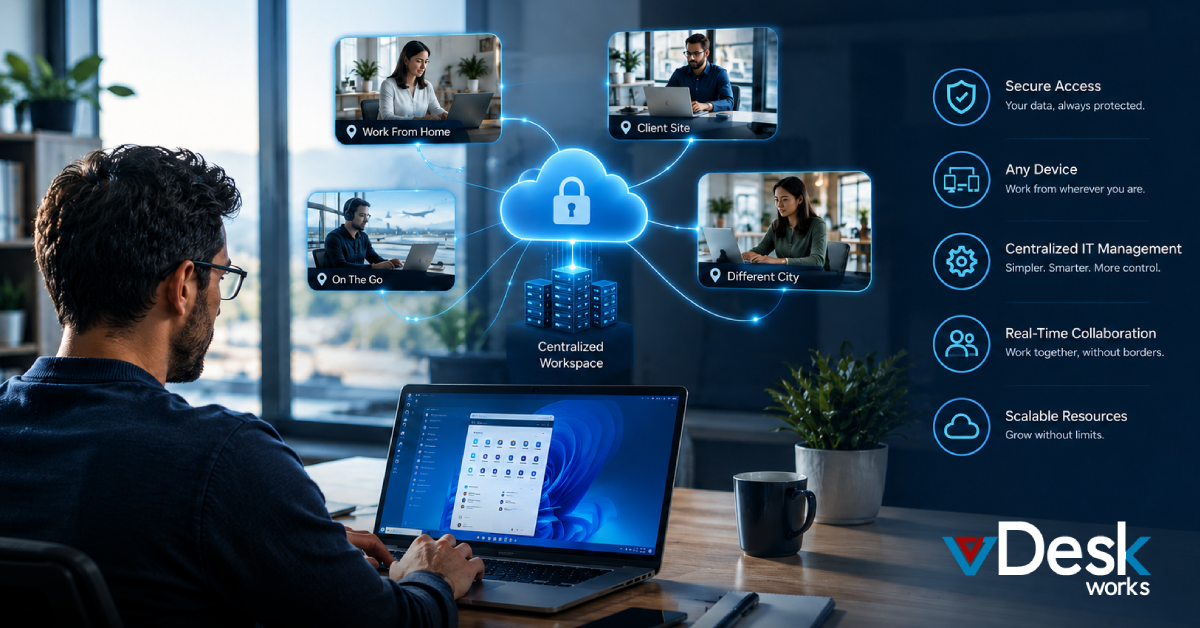
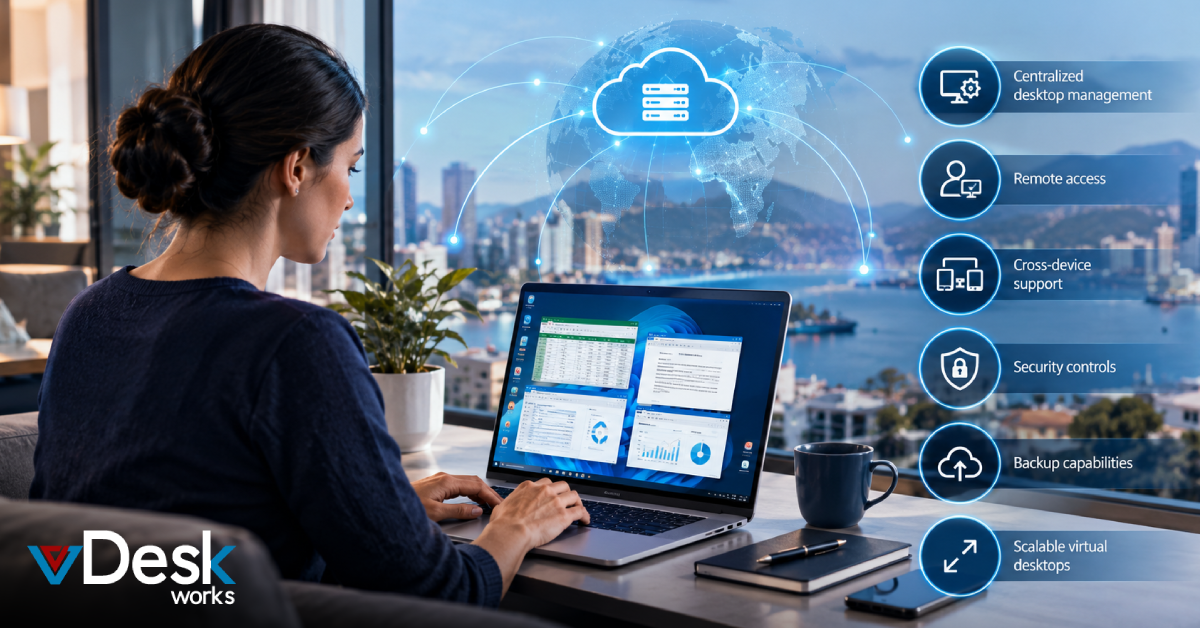
Cloud PC environments shift desktops and applications into centralized cloud infrastructure, allowing employees to securely access their workspaces from virtually any device.
This approach reduces the need to manage large on-premise VDI environments while improving scalability, accessibility, and centralized security management.
For organizations supporting hybrid workforces, distributed teams, or rapid scaling, Cloud PC often provides a more flexible long-term solution compared to rebuilding traditional virtualization stacks.
Why Businesses Are Exploring Alternatives Now?
The growing interest in VMware alternatives is not just about pricing. Businesses are also reevaluating how infrastructure should operate in a cloud-first world.
Modern organizations want:
* Simplified infrastructure management
* Better remote accessibility
* Predictable operational costs
* Scalability without hardware dependency
* Centralized security and monitoring
Traditional virtualization environments can still support these goals, but they often require significant internal management and infrastructure expertise.
Cloud-native workspace models are changing expectations by offering more service-driven approaches to IT operations.
Why vDeskWorks Cloud PC Fits the Shift Toward Modern Workspaces?
This is exactly where vDeskWorks Cloud PC becomes highly relevant for businesses modernizing beyond traditional virtualization.
Instead of focusing only on replacing a hypervisor, vDeskWorks helps organizations simplify how desktops and applications are delivered entirely. Businesses gain centralized Cloud PC environments that support secure remote access, scalable infrastructure, and simplified management without the operational complexity tied to large VDI deployments.
What makes the approach especially valuable is its flexibility. Organizations can quickly scale workspaces, support hybrid teams, and centralize desktop management while reducing dependency on expensive on-premise infrastructure.
For businesses already rethinking virtualization strategy, Cloud PC often becomes less about replacing VMware and more about modernizing the entire workspace experience.
Final Thoughts
VMware remains an important part of the virtualization landscape, but businesses are clearly exploring new directions as infrastructure needs continue evolving.
Some organizations are moving toward platforms like Hyper-V, Nutanix, Proxmox, and XCP-ng to reduce licensing costs and improve flexibility. Others are using the opportunity to transition toward Cloud PC and DaaS environments that simplify workspace delivery altogether.
Ultimately, the best VMware alternative depends on what businesses value most—cost control, scalability, operational simplicity, or cloud-native flexibility.
What’s becoming increasingly clear is that the future of virtualization is no longer just about running virtual machines. It’s about building environments that support modern work in a more agile and efficient way.
 Emma Carson