The enterprise workspace is no longer tied to a physical office. Over the last few years, businesses have moved from traditional desktops and centralized offices toward flexible, cloud-driven environments where employees can work securely from anywhere.
But the future of enterprise workspaces is about more than just remote access. It’s about creating a digital environment that balances performance, security, flexibility, and user experience without adding operational complexity. Modern businesses are now rethinking how applications, desktops, and collaboration tools are delivered—and Cloud PC is becoming central to that shift.
Why Traditional Workspaces No Longer Fit Modern Work
Legacy workspace models were designed around fixed infrastructure. Employees worked on office desktops connected to on-premise servers, while IT teams managed hardware, updates, and security manually.
That setup struggles in today’s hybrid environment.
Modern teams work across locations, devices, and time zones. Employees expect the same experience whether they’re working from home, traveling, or sitting in the office. At the same time, businesses face growing pressure to improve security, reduce IT overhead, and scale quickly.
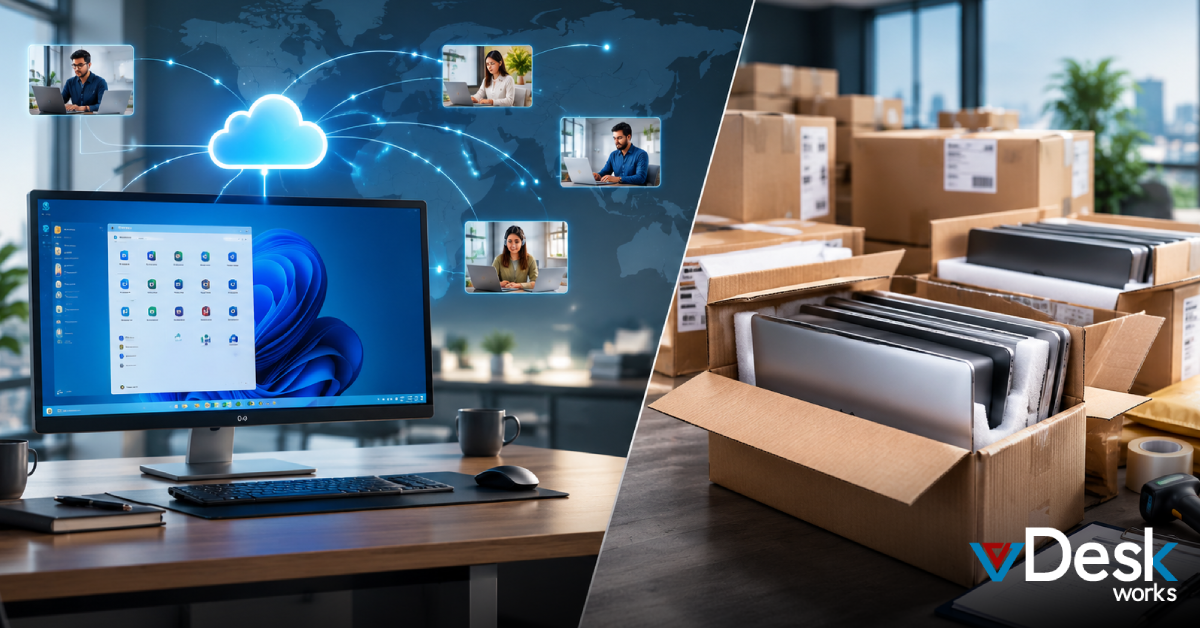
Traditional infrastructure often creates friction instead of flexibility. VPN bottlenecks, inconsistent user experiences, hardware refresh cycles, and scattered endpoint management make it harder for organizations to stay agile. As hybrid work continues to evolve, enterprises are shifting toward cloud-first workspace models that are designed around accessibility and centralized management instead of physical devices.
Cloud PC is Redefining the Enterprise Workspace
Cloud PC changes the way workspaces are delivered.
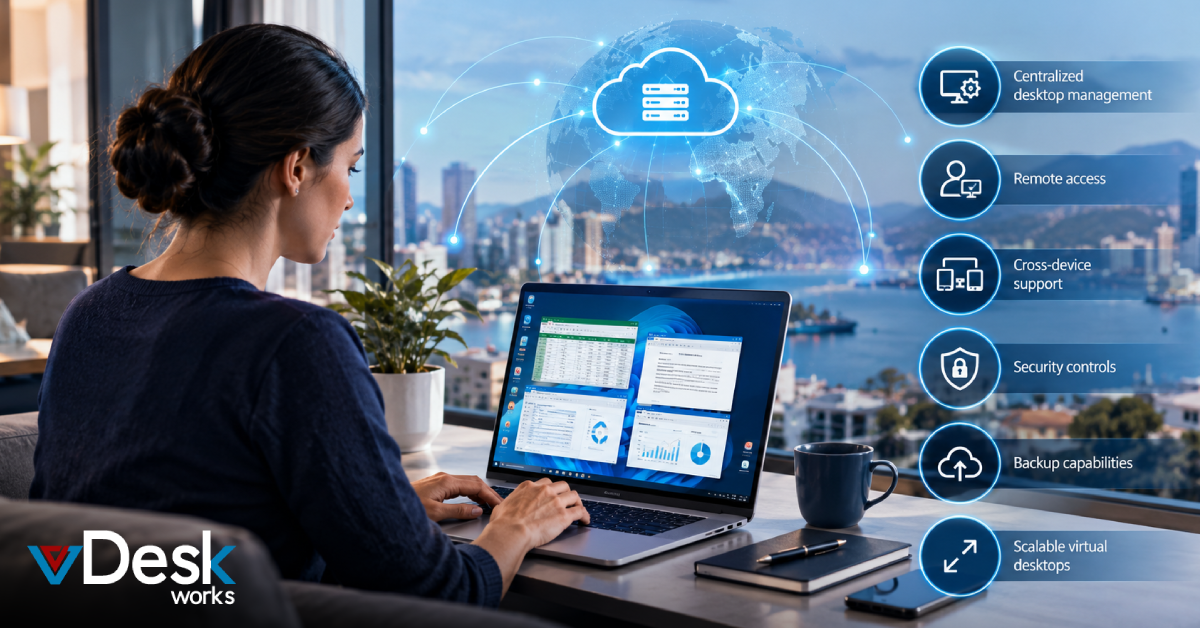
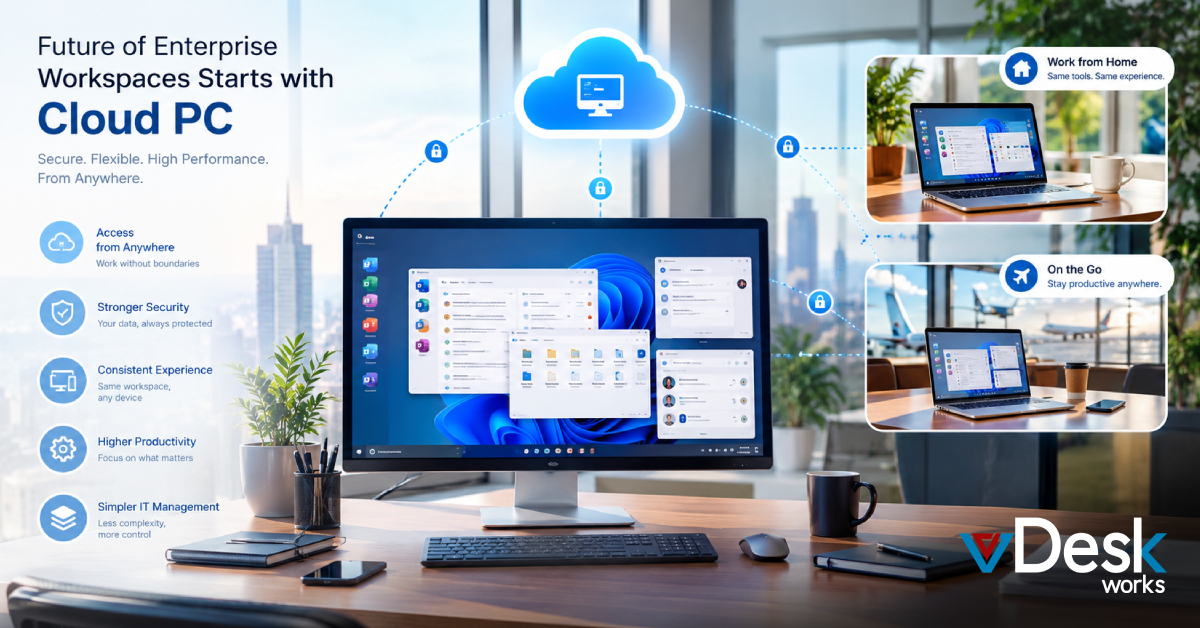
Instead of relying on local machines to handle applications and processing, the entire desktop environment is hosted in the cloud. Employees simply log in and access their workspace securely from any device.
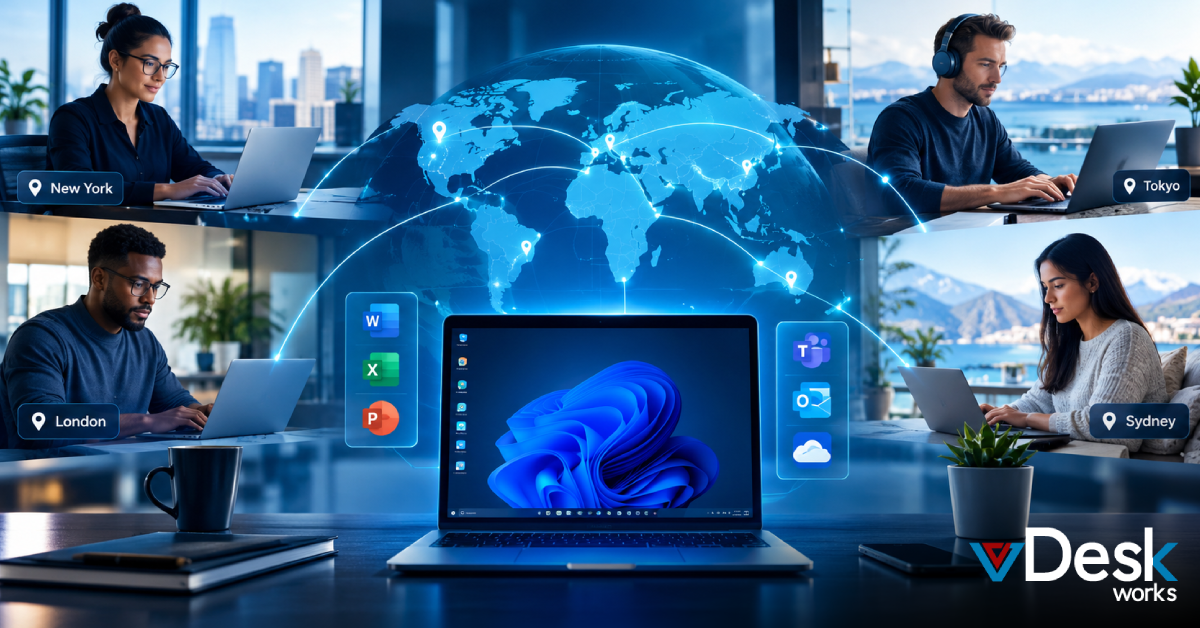
This creates a more unified experience across the organization. Teams no longer depend on high-end hardware or office infrastructure to stay productive. The desktop follows the user instead of being tied to a location.
What makes this especially valuable for enterprises is the consistency it brings. Applications, files, settings, and security policies remain centralized, allowing employees to move between devices without disrupting workflows.
Cloud-based workspace environments also simplify scaling. Businesses can quickly onboard remote employees, support contract workers, or expand operations without waiting for physical hardware deployments. That flexibility has become essential for organizations adapting to changing workforce demands.
Security and User Experience Must Work Together
For years, enterprise workspace conversations focused heavily on security. While security remains critical, businesses now realize that user experience matters just as much.
If employees face lag, login delays, or complicated access procedures, productivity suffers regardless of how secure the environment is.
Modern Cloud PC environments are designed to balance both. Technologies like Zero Trust security, adaptive performance optimization, centralized access controls, and AI-driven monitoring help organizations secure workspaces without disrupting users.
At the same time, centralized cloud desktops reduce the risks tied to unmanaged endpoints. Sensitive business data stays inside the cloud environment rather than being scattered across local devices. This improves visibility and simplifies compliance for IT teams.
The future workspace isn’t just secure—it’s invisible in the way it supports employees. Users expect a local-like experience regardless of where they work, and enterprise workspace strategies are increasingly being designed around that expectation.
AI, Automation, and Unified Workspaces Are Driving the Next Shift
Enterprise workspaces are also becoming smarter.
Automation and AI are beginning to play a larger role in workspace management, performance optimization, and security monitoring. Instead of reacting to issues after employees report them, modern cloud environments can proactively detect bottlenecks, optimize resources, and identify unusual activity in real time.
At the same time, businesses are moving toward unified workspace experiences where applications, desktops, collaboration tools, and cloud resources operate within one connected ecosystem.
This shift reduces complexity for employees. Rather than jumping between disconnected systems, users access everything they need through a single workspace environment.
As cloud adoption continues to accelerate, enterprise workspaces will become increasingly device-independent, AI-assisted, and service-driven. Hardware will matter less, while accessibility, intelligence, and experience will matter more.
Why vDeskWorks Cloud PC Fits the Future of Work
This is exactly where vDeskWorks Cloud PC aligns with the future of enterprise workspaces.
vDeskWorks helps organizations move beyond traditional desktop limitations by delivering secure, scalable, and centralized cloud desktops that support hybrid work environments naturally. Employees can securely access applications and data from virtually any device while maintaining a consistent experience across locations.
What makes vDeskWorks especially valuable is its focus on balancing flexibility with operational simplicity. Businesses can scale desktops quickly, support distributed teams, and centralize security without the complexity of managing physical infrastructure across multiple locations.
Instead of constantly investing in hardware refreshes and fragmented remote access tools, organizations gain a workspace model built for modern operations—one that supports collaboration, security, and long-term scalability together.
Final Thoughts
The future of enterprise workspaces is not about recreating the office online. It’s about building environments that are flexible, secure, intelligent, and accessible from anywhere.
Cloud PC is becoming the foundation of that transformation because it removes the limitations tied to traditional infrastructure while improving how employees work every day.
As hybrid work, AI-driven operations, and cloud adoption continue to evolve, enterprises will increasingly prioritize workspaces that simplify management while delivering seamless user experiences.
Because ultimately, the future workspace isn’t defined by where people work—it’s defined by how easily they
 Emma Carson