For years, businesses have followed the same IT pattern: purchase desktops and laptops, maintain them for a few years, and then replace them once performance starts slowing down. This hardware refresh cycle became a standard part of IT budgeting, especially for organizations managing large workforces.
But today, that model is becoming increasingly expensive and difficult to sustain.
Hardware costs continue rising, remote work has changed how employees access systems, and businesses are under constant pressure to scale faster while controlling IT spending. As a result, many organizations are beginning to rethink whether regularly replacing physical devices is still the smartest long-term strategy.
That shift is one of the biggest reasons Desktop as a Service (DaaS) and Cloud PC environments are growing so rapidly.
Why Traditional Hardware Refresh Cycles Are Becoming a Problem
The traditional desktop lifecycle was built around physical infrastructure. Businesses purchased high-performance systems upfront, managed them internally, and upgraded them every few years as applications became more demanding.
On paper, this approach sounds manageable. In reality, it creates several long-term challenges.
Hardware refreshes require large capital investments that can strain IT budgets, especially for growing organizations. At the same time, managing physical devices across remote and hybrid workforces has become increasingly complicated. Businesses now support employees working from offices, homes, client locations, and multiple regions simultaneously.
The more devices organizations manage, the more they deal with:
- Hardware failures
- Maintenance costs
- Security risks
- Deployment delays
- Inconsistent user experiences
And once systems begin aging, productivity often drops due to slower performance, outdated hardware, and compatibility limitations with newer applications.
For many businesses, the cycle becomes expensive, reactive, and difficult to scale efficiently.
How DaaS Changes the Entire Infrastructure Model
Desktop as a Service changes the way businesses think about computing infrastructure altogether.
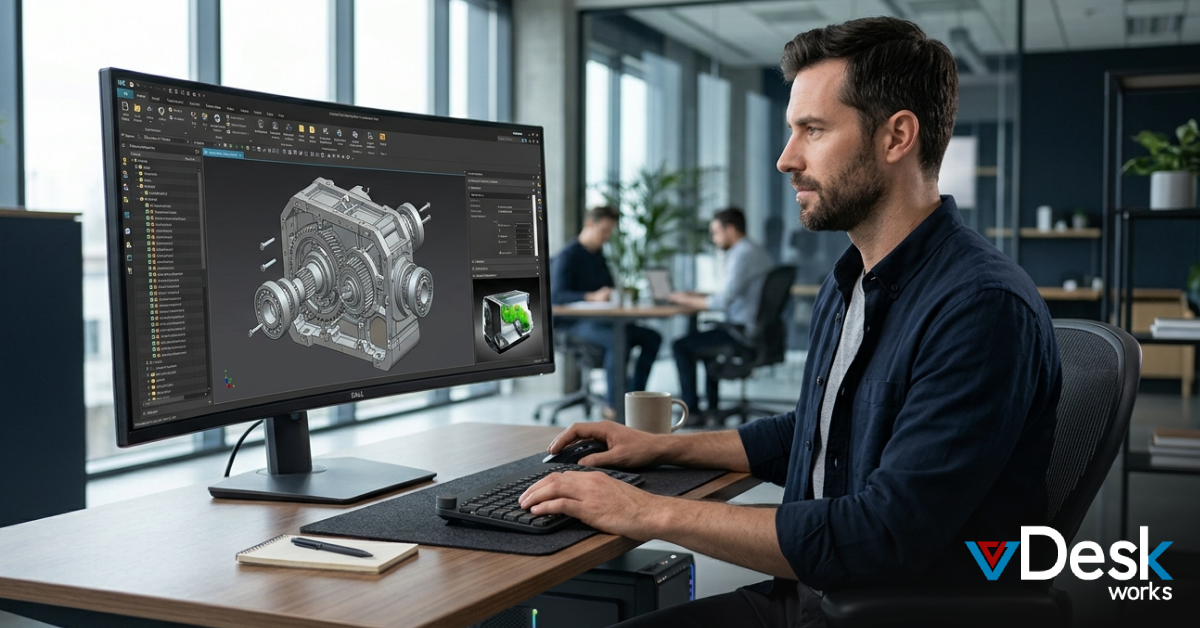
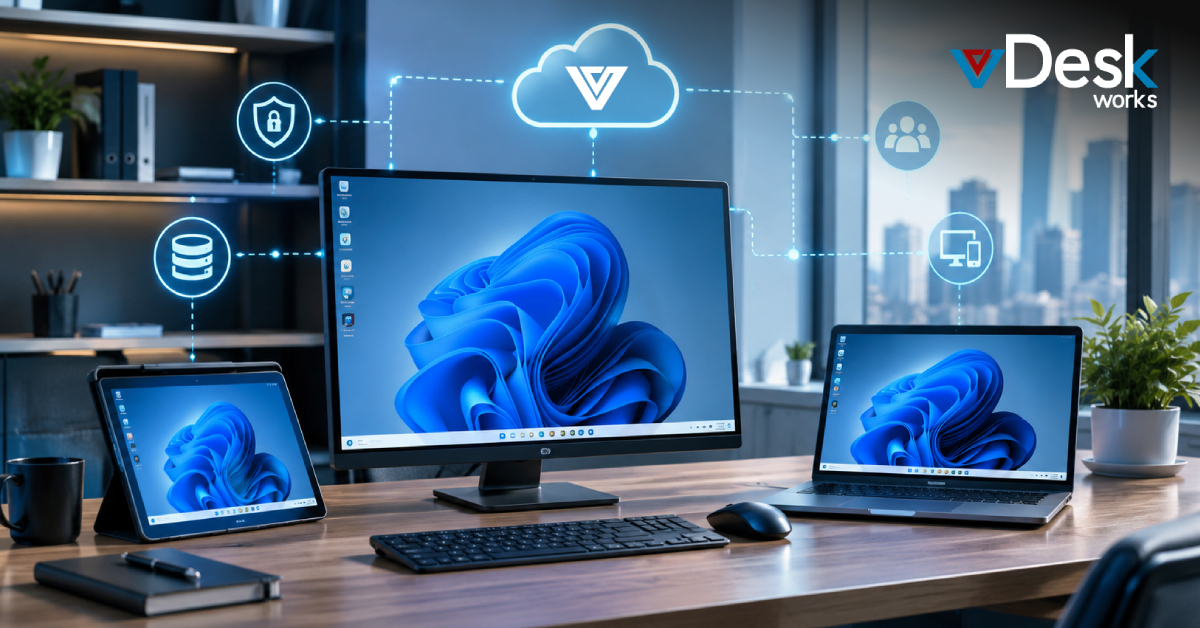
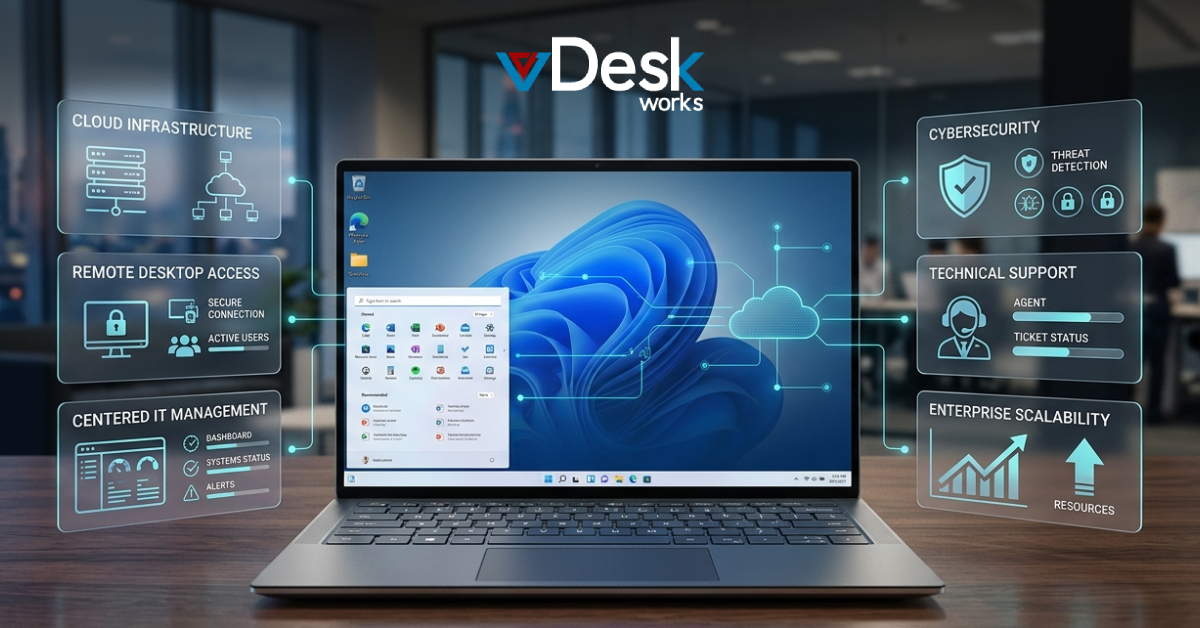
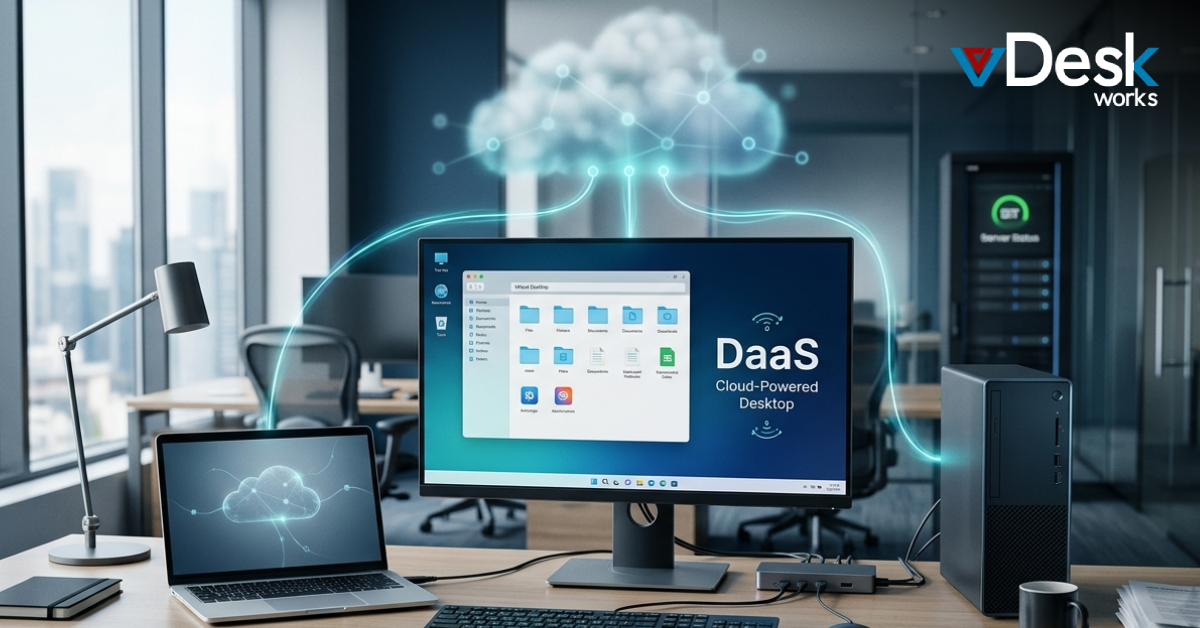
Instead of relying heavily on high-end local devices, DaaS delivers desktops, applications, and computing resources directly through the cloud. Employees simply access their Cloud PC from virtually any internet-connected device while the actual processing happens within centralized cloud infrastructure.
This dramatically reduces dependency on expensive physical hardware.
Because the performance comes from the cloud environment rather than the endpoint device itself, businesses can extend the lifespan of existing laptops, desktops, and thin clients much longer than traditional infrastructure models allow.
Organizations no longer need to replace every employee device simply because workloads become heavier or applications require more resources. Instead, compute power can scale within the cloud environment without replacing local hardware.
That creates a far more flexible and predictable IT model.
Lower IT Costs Go Beyond Hardware Savings
One of the biggest misconceptions about DaaS is that it only reduces hardware spending. In reality, the operational savings often extend much further.
Traditional infrastructure requires ongoing investments in:
- Hardware procurement
- Device imaging and deployment
- Maintenance and repairs
- Security management
- Storage and server infrastructure
- IT troubleshooting across endpoints
DaaS centralizes much of this management within the cloud environment itself. Businesses gain centralized desktop provisioning, easier updates, simplified security policies, and more consistent user experiences across locations.
This becomes especially valuable for hybrid and remote workforces because employees can securely access the same desktop environment regardless of which device they use.
Many IT leaders also point out that predictable subscription-based infrastructure models make budgeting easier compared to unpredictable hardware replacement cycles and emergency upgrades.
Why Businesses Are Extending Device Lifespans with Cloud PC
One of the most practical advantages of Cloud PC environments is the ability to continue using older devices effectively.
Since most of the processing occurs within the cloud environment, even lightweight or aging systems can still provide users with strong performance when accessing cloud desktops.
This is becoming increasingly important as businesses try to reduce unnecessary capital expenditures while supporting distributed work environments. Instead of replacing hundreds of devices every few years, organizations can often continue using existing hardware while upgrading cloud resources only when needed.
Discussions within IT communities on Reddit also frequently highlight how cloud desktop environments help businesses reduce endpoint dependency while improving scalability and remote accessibility.
This flexibility is fundamentally changing how businesses approach long-term infrastructure planning.
Why vDeskWorks Cloud PC Fits Modern IT Strategies?
This is exactly where vDeskWorks Cloud PC becomes highly relevant for businesses modernizing their infrastructure strategy.
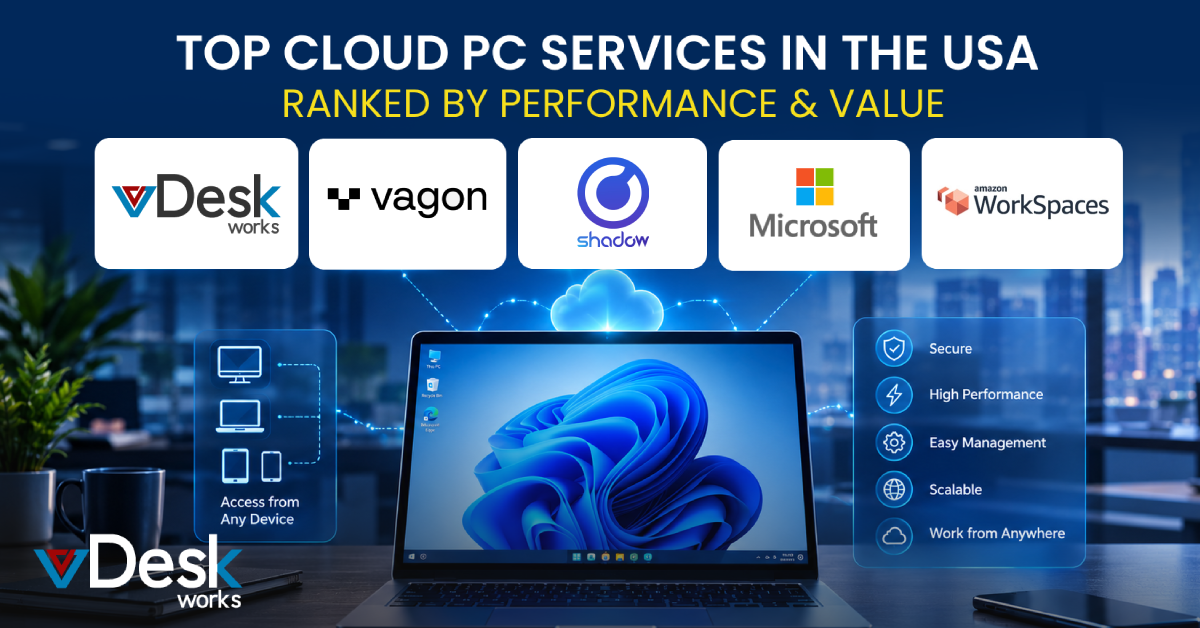
Instead of forcing organizations into expensive hardware upgrade cycles, vDeskWorks delivers centralized Cloud PC environments that allow employees to access secure, high-performance desktops from virtually any device.
Businesses can scale computing resources through the cloud while reducing dependency on costly workstation refreshes and fragmented endpoint management.
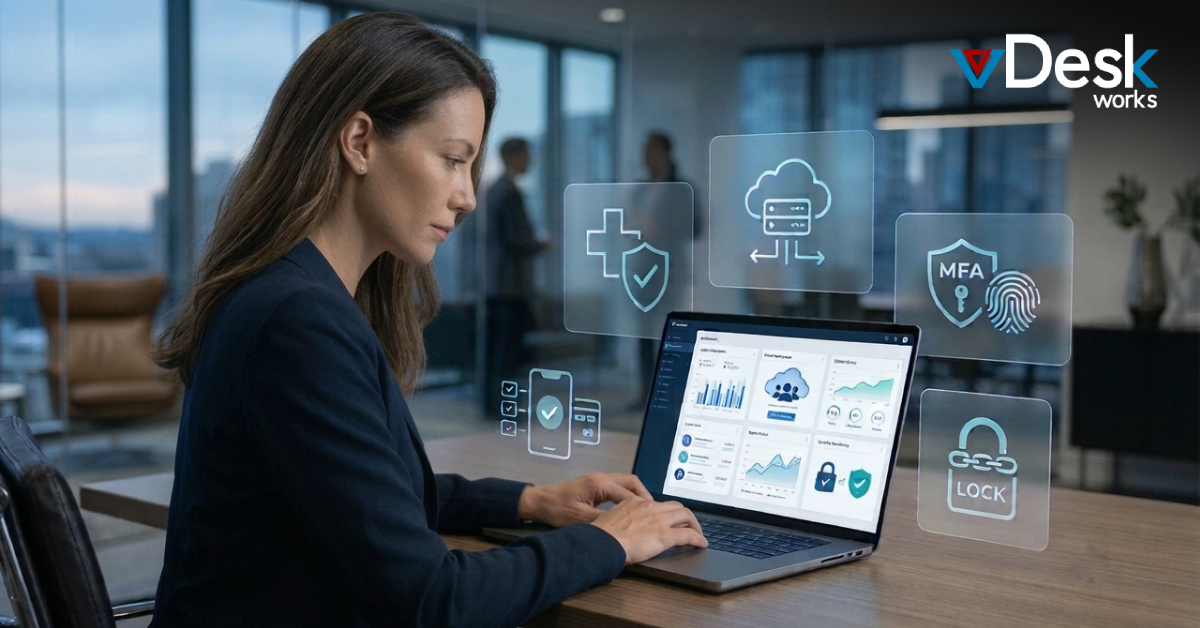
What makes the model especially valuable is the balance between flexibility and operational simplicity. Teams gain consistent desktop experiences, centralized security, and easier scalability without constantly managing hardware replacements across distributed workforces.
For organizations trying to optimize IT spending while supporting hybrid work, Cloud PC creates a far more agile and sustainable infrastructure model.
Final Thoughts
The traditional hardware refresh cycle was built for a very different era of IT.
Today’s businesses operate across remote environments, hybrid workforces, cloud applications, and rapidly changing operational demands. Continuously replacing physical devices every few years no longer feels as efficient or cost-effective as it once did.
DaaS and Cloud PC environments are changing that model by shifting computing power away from local devices and into scalable cloud infrastructure.
As organizations continue modernizing their IT operations, the focus is moving away from constantly upgrading hardware and toward building flexible digital workspaces that can evolve without expensive infrastructure disruption.
Because ultimately, modern IT is becoming less about managing devices — and more about delivering seamless access to work from anywhere.
 Admin
Admin