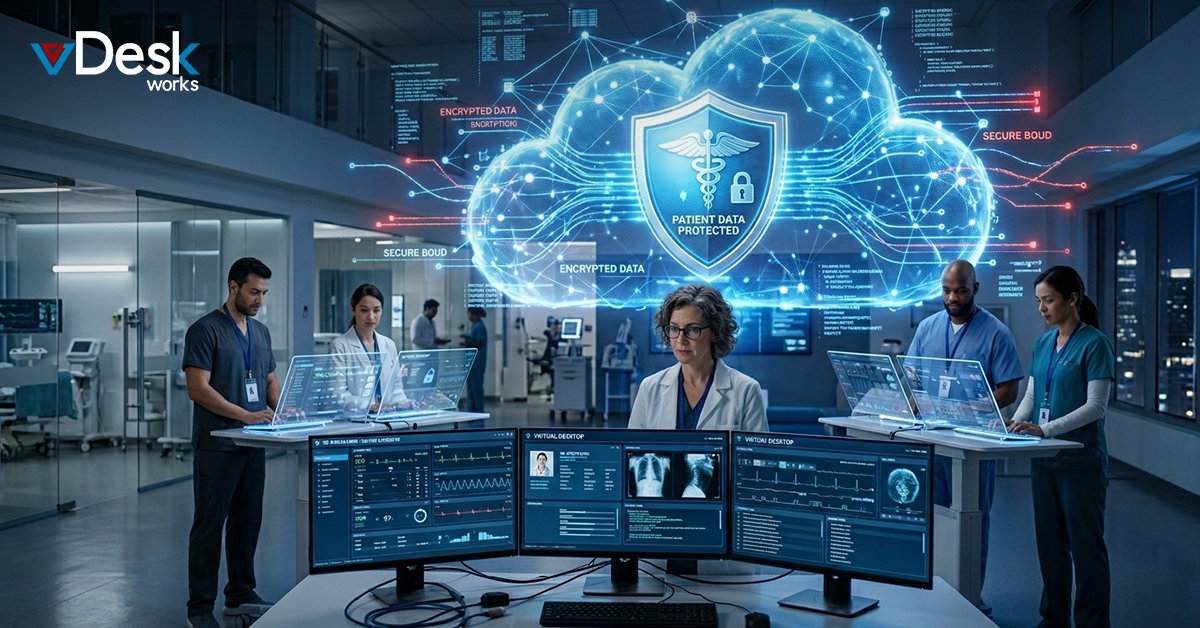
The healthcare industry handles extremely sensitive patient data, which makes it a prime target for cyberattacks. This data, often referred to as Protected Health Information (PHI), includes medical records, personal details, and financial information. With increasing digitization, the risk of breaches has grown significantly.
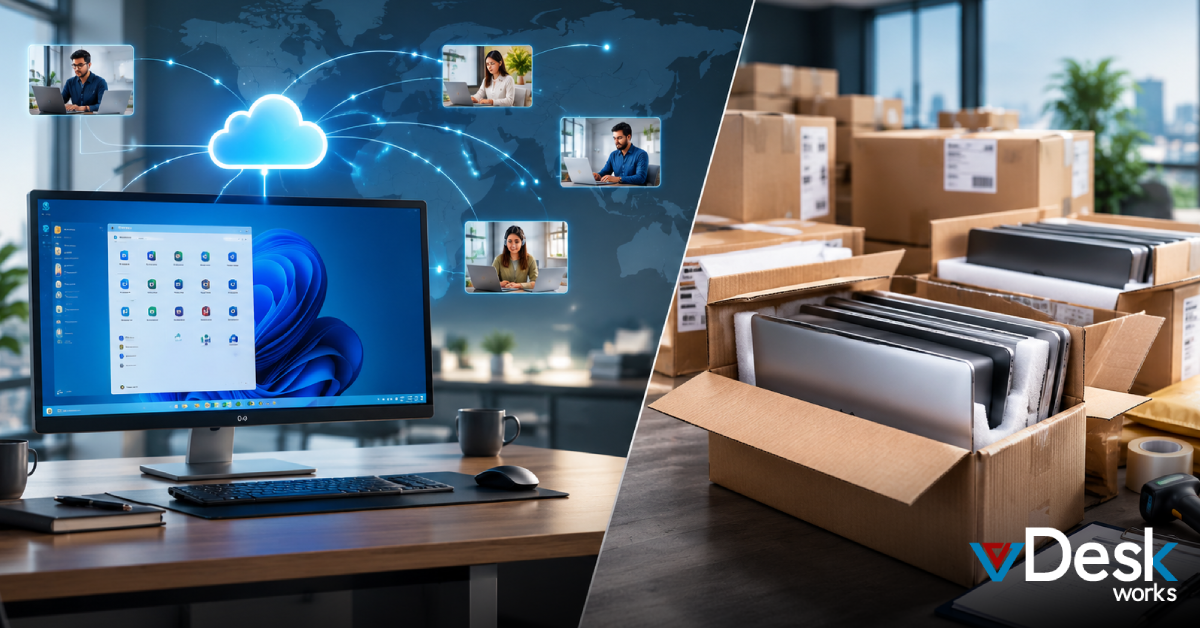
A Virtual Desktop plays a crucial role here, as a virtual desktop centralizes data and reduces exposure to threats from individual devices. By using a virtual desktop, healthcare organizations can better protect critical systems and sensitive patient records.
Rising Threats in Healthcare Systems
Healthcare systems are constantly under threat from ransomware, phishing, and malware attacks. Many breaches occur due to human error, such as weak passwords or accidental clicks on malicious links. A virtual desktop helps mitigate these risks by keeping data off local devices and storing it in a secure, centralized environment. Even if a device is compromised, a virtual desktop ensures that data remains protected. This is one of the key advantages of using a virtual desktop in healthcare environments.
Regulatory Compliance and Security Standards
Healthcare organizations must comply with regulations like HIPAA to ensure patient data protection. These regulations require strict security controls such as encryption, access restrictions, and monitoring. A virtual desktop makes compliance easier by providing built-in security features and centralized control. With a virtual desktop, organizations can enforce consistent policies and reduce compliance risks while protecting sensitive information.
Securing Electronic Health Records (EHRs)
Electronic Health Records are essential but also highly vulnerable if not properly secured. A virtual desktop enhances EHR security by ensuring that sensitive data never leaves the secure environment. With a virtual desktop, healthcare providers can implement role-based access control and multi-factor authentication to further protect patient data. The virtual desktop model significantly reduces the chances of unauthorized access.
Protecting Patient Data with Virtual Desktop
Traditional systems often store data on local devices, which increases the risk of data loss or theft. A virtual desktop eliminates this risk by storing all data in a centralized, secure location. Healthcare professionals can securely access a virtual desktop from anywhere without compromising data safety. The use of a virtual desktop ensures that patient data remains protected even if the endpoint device is lost or stolen.
Strengthening Cybersecurity Strategies
A strong cybersecurity strategy includes risk assessment, monitoring, and rapid response mechanisms. A virtual desktop supports these strategies by offering centralized visibility and control. IT teams can monitor activity across all virtual desktop environments, detect anomalies, and respond quickly to threats. Using a virtual desktop improves overall security posture and reduces vulnerabilities.
Incident Response and Continuity with Virtual Desktop
In the event of a cyberattack, a virtual desktop helps ensure business continuity. Since data is stored centrally, it can be quickly restored or accessed from another system. A virtual desktop reduces downtime and ensures healthcare operations continue smoothly. This makes the virtual desktop an essential tool for disaster recovery and incident response planning.
Advanced Security Tools and Virtual Desktop Environments
Security tools like firewalls, intrusion detection systems, and threat intelligence platforms are essential for protecting healthcare systems. When combined with a virtual desktop, these tools become even more effective. A virtual desktop allows organizations to integrate security monitoring and threat detection directly into the environment, improving response times and reducing risks. The virtual desktop approach creates a more secure and manageable IT ecosystem.
Why Virtual Desktop Is the Future of Healthcare IT?
A virtual desktop provides a secure, scalable, and efficient way to manage healthcare data. With a virtual desktop, organizations can reduce data breaches, simplify compliance, and enable secure remote access. A virtual desktop also helps IT teams manage systems more efficiently while ensuring data security. As healthcare continues to evolve digitally, the virtual desktop will remain a key part of IT infrastructure.
Why Choose vDeskWorks Virtual Desktop?
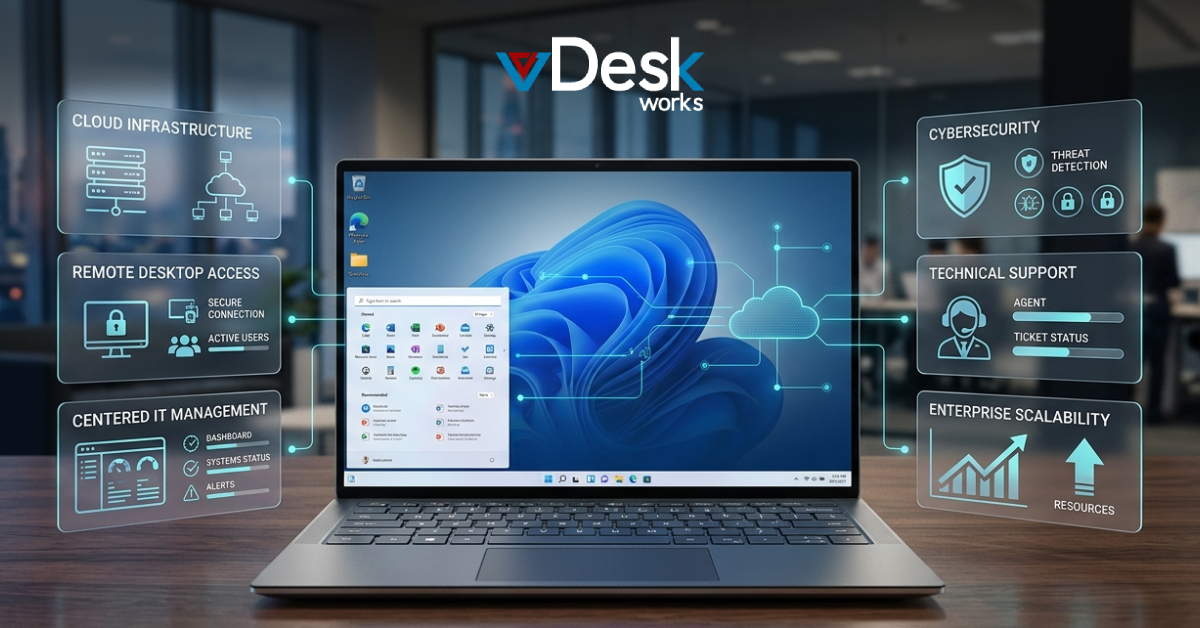
When it comes to choosing a reliable virtual desktop solution, vDeskWorks Virtual Desktop stands out as a powerful and secure option. vDeskWorks Virtual Desktop provides a cloud-based environment where healthcare organizations can securely store and access data. With advanced encryption, centralized management, and strong security protocols, vDeskWorks Virtual Desktop ensures that sensitive patient data remains protected at all times.
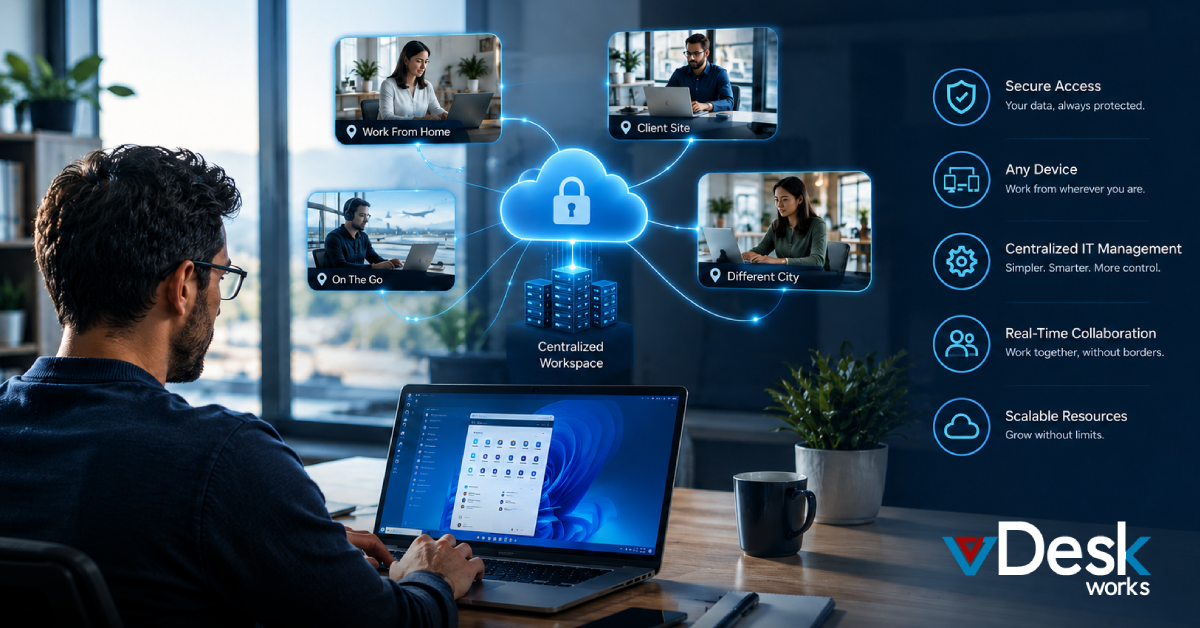
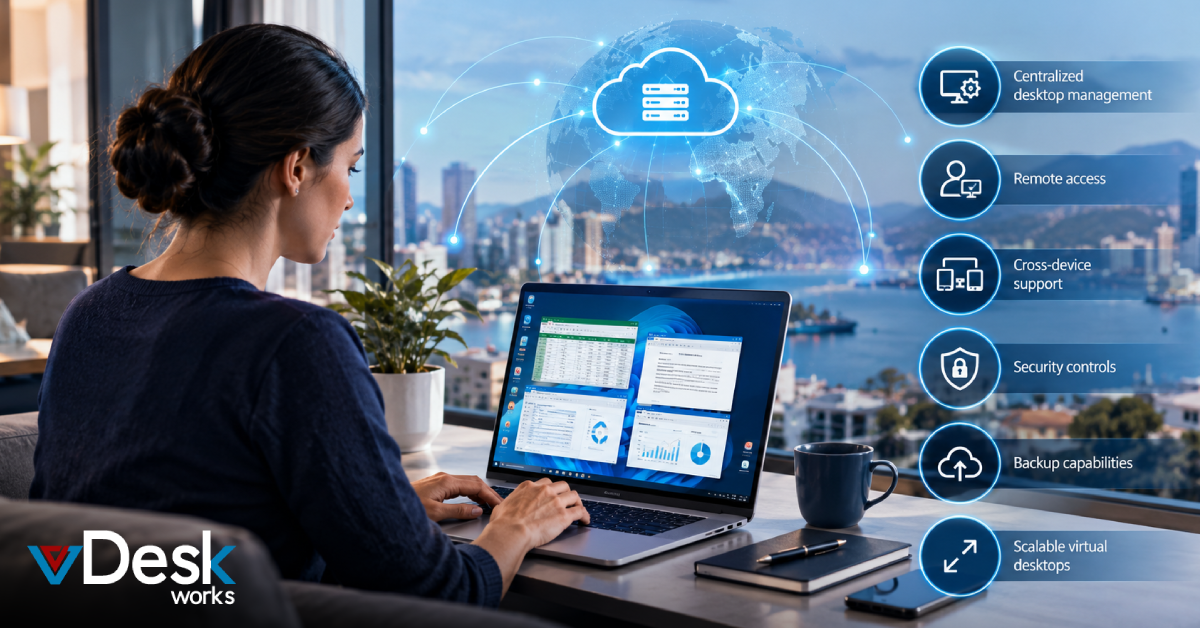
The vDeskWorks Virtual Desktop solution allows healthcare professionals to securely access their virtual desktop from anywhere, enabling flexibility and remote work without compromising security. It simplifies IT management while enhancing performance and scalability. By using vDeskWorks Virtual Desktop, organizations can strengthen their security posture and improve operational efficiency.
Conclusion
Healthcare data protection requires a strong and layered approach, and the virtual desktop plays a critical role in achieving this. A Virtual Desktop centralizes data, improves security, and enables secure access from anywhere. With the growing need for data protection, the virtual desktop is no longer optional—it is essential. Solutions like vDeskWorks Virtual Desktop provide the security, flexibility, and efficiency needed to protect patient data and support modern healthcare systems.
 Emma Carson