Selecting a managed IT service provider is no longer just about outsourcing support—it is about choosing a long-term partner that directly influences how your business operates, scales, and stays secure. In 2026, this decision carries even more weight as organizations navigate hybrid work, cloud complexity, and rising cybersecurity threats.
The challenge is not finding a provider. It is finding the right one—one that aligns with your business goals rather than simply maintaining your infrastructure.
Beyond Support: Why Strategy Defines the Right IT Partner!
Many organizations still evaluate IT providers based on technical capabilities alone. While expertise is important, it is no longer enough. The best managed IT providers act as strategic partners, helping businesses align technology with growth objectives and adapt to constant change.
A strong provider does not just fix problems—they anticipate them. They contribute to long-term planning, provide guidance on emerging technologies, and ensure that IT decisions support business outcomes.
This shift from reactive support to proactive strategy is what separates average providers from transformative ones.
Experience and Credibility Still Matter—But Differently
Experience remains a critical factor, but in today’s environment, it goes beyond years in business. Organizations need providers with proven expertise in cloud environments, cybersecurity, and hybrid work models.
A provider’s track record, certifications, and client success stories offer insight into their ability to handle complex environments. But equally important is their ability to adapt to new technologies and evolving challenges.
In 2026, experience is not just about what a provider has done—it is about how well they can handle what comes next.
Security is No Longer a Feature—It’s the Foundation
Cybersecurity has become one of the most critical aspects of IT evaluation. With threats becoming more advanced and frequent, organizations cannot afford to treat security as an add-on.
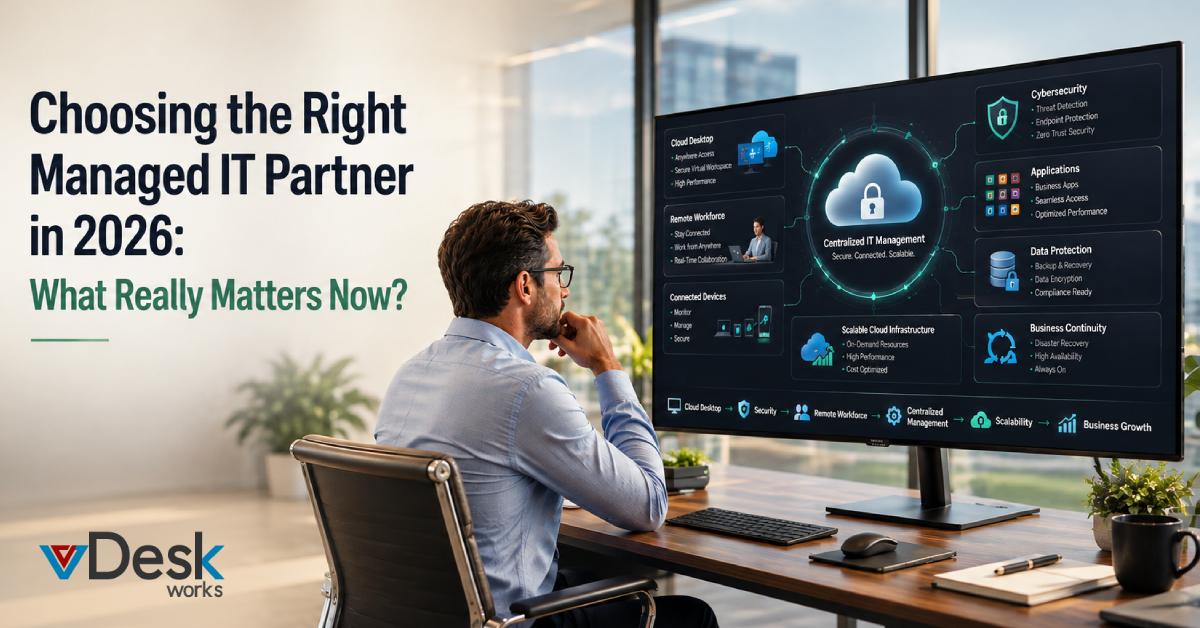
A reliable IT partner must demonstrate strong security practices, including threat detection, data protection, and incident response capabilities. They must also be prepared to recover quickly from disruptions, ensuring business continuity in worst-case scenarios.
This level of preparedness is essential in a world where even minor vulnerabilities can lead to major disruptions.
Availability and Responsiveness Define Real Value
In a hybrid and always-on business environment, downtime is not just inconvenient—it is costly. That is why availability and responsiveness are key factors when evaluating a managed IT provider.
Organizations need support that operates around the clock, with clear response times and escalation processes. The ability to resolve issues quickly can directly impact productivity, customer experience, and revenue.
A provider’s service level agreements should reflect real-world conditions, not just theoretical targets.
Scalability and Flexibility Are Non-Negotiable
Modern businesses are constantly evolving, whether through growth, expansion, or changing market conditions. IT infrastructure must be able to scale accordingly.
A strong managed IT provider offers flexible solutions that can adapt to changing needs. This includes the ability to onboard new users quickly, support global teams, and integrate new technologies without disruption.
Rigid systems that cannot scale will eventually become bottlenecks, limiting growth and innovation.
The Shift Toward Cloud-Centric IT Models
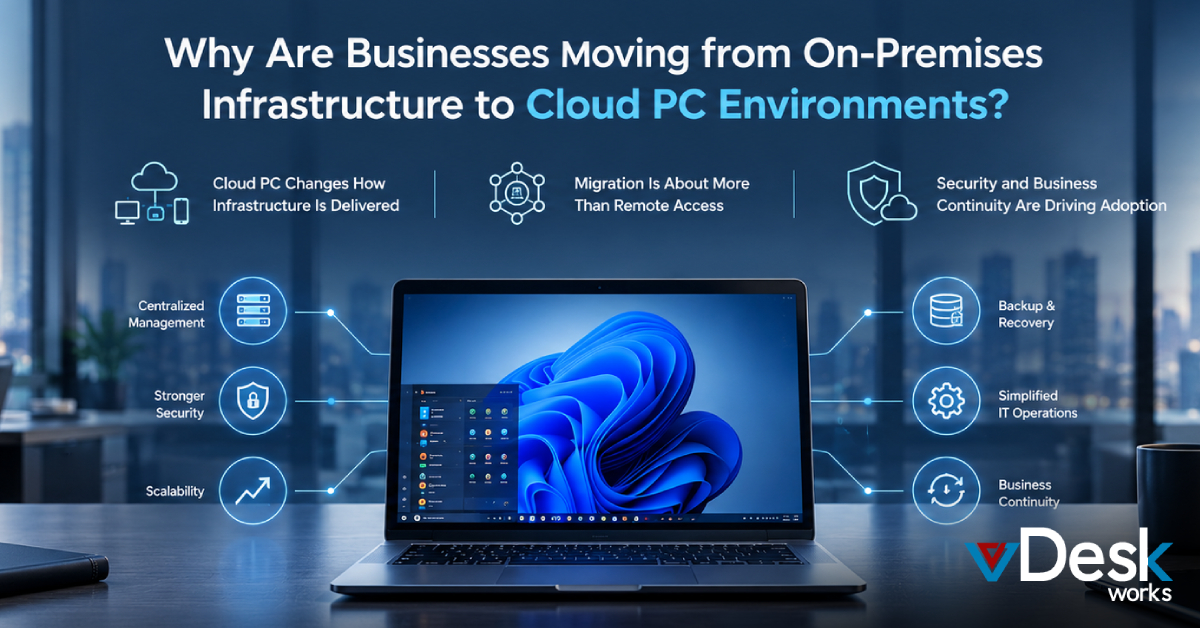
One of the biggest changes in recent years is the move toward cloud-first strategies. Organizations are no longer relying solely on traditional infrastructure—they are adopting cloud-based environments to improve flexibility and efficiency.
Managed IT providers must be capable of supporting this transition, offering expertise in cloud deployment, migration, and ongoing management.
This shift is not just about technology—it is about enabling a more agile and resilient way of working.
Why Cloud Desktop is Changing the Evaluation Criteria?
As Cloud Desktop becomes a central part of modern IT strategies, it is also changing how organizations evaluate providers. Instead of focusing only on infrastructure and support, businesses are now looking for solutions that deliver complete work environments through the cloud.
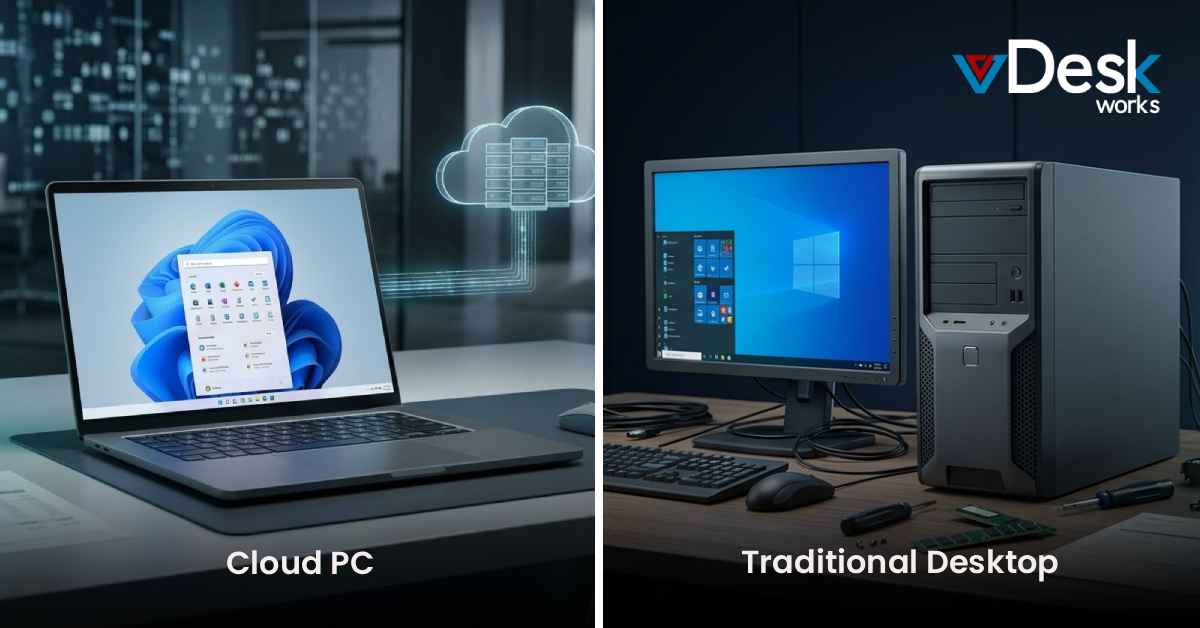
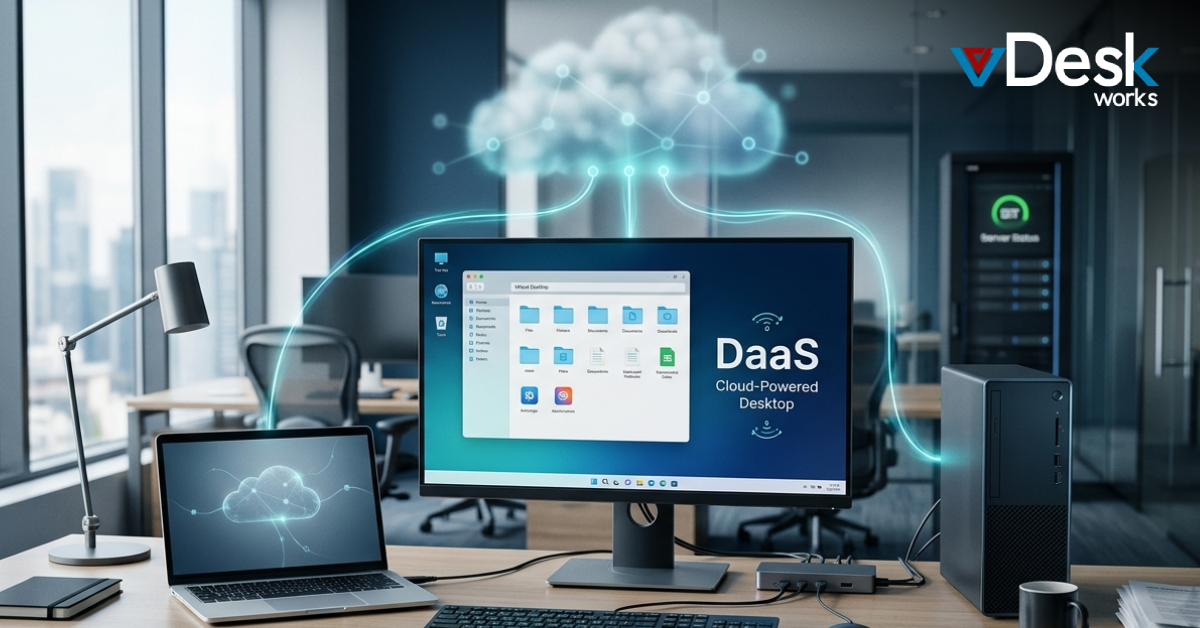
Cloud Desktop simplifies many of the challenges associated with hybrid work. It centralizes desktops, applications, and data, reducing dependency on physical devices and improving consistency across users.
This makes it easier to manage security, performance, and scalability from a single platform, transforming IT from a complex system into a streamlined service.
Why vDeskWorks Cloud Desktop Strengthens Managed IT Strategies
For organizations looking to modernize their IT approach, vDeskWorks Cloud Desktop provides a powerful complement to managed IT services.
vDeskWorks delivers fully managed desktop environments through the cloud, allowing businesses to simplify infrastructure while improving performance and security. Employees can access their workspaces from any device, ensuring consistency across locations.
From an IT perspective, vDeskWorks reduces complexity by centralizing control. Updates, policies, and configurations are managed in one place, eliminating the need for device-level management.
It also supports scalability, enabling organizations to grow without infrastructure constraints. Whether expanding teams or supporting global operations, vDeskWorks ensures that IT remains flexible and efficient.
By integrating Cloud Desktop into managed IT strategies, businesses can move beyond traditional limitations and build a more agile, future-ready environment.
The Right IT Partner is a Growth Enabler
Choosing a managed IT provider is not just about solving today’s problems—it is about preparing for tomorrow’s challenges.
The right partner will not only support your operations but also help you evolve. They will provide the tools, insights, and strategies needed to stay competitive in a rapidly changing landscape.
In 2026, this means embracing cloud-first solutions, prioritizing security, and ensuring scalability at every level.
Building IT for the Future, Not the Past
The way businesses evaluate IT providers is changing. It is no longer enough to look at technical capabilities or pricing alone. Organizations must consider how well a provider aligns with their long-term vision.
Cloud Desktop and modern managed services represent the future of IT—simplified, centralized, and built for flexibility.
Those who choose the right partner today will be better equipped to handle the challenges of tomorrow, turning IT from a cost center into a true driver of growth.
 Emma Carson