A transparent, comprehensive guide to understanding cybersecurity in the modern digital landscape
Introduction: Cybersecurity Is Now a Business Priority
As companies move forward with transformation, cybersecurity is becoming a major concern for businesses all over the world. Companies use tools like cloud platforms and remote work systems to get work done. These tools also use intelligence to make things easier. While these tools make things more efficient and innovative, they also make companies vulnerable to cyber threats.
Experts think that cybercrime could cost companies up to $10.5 trillion every year. This makes cybersecurity a big deal for businesses, not just the IT department. Companies that do not invest in good cybersecurity risk losing money, damaging their reputation, and disrupting their operations.
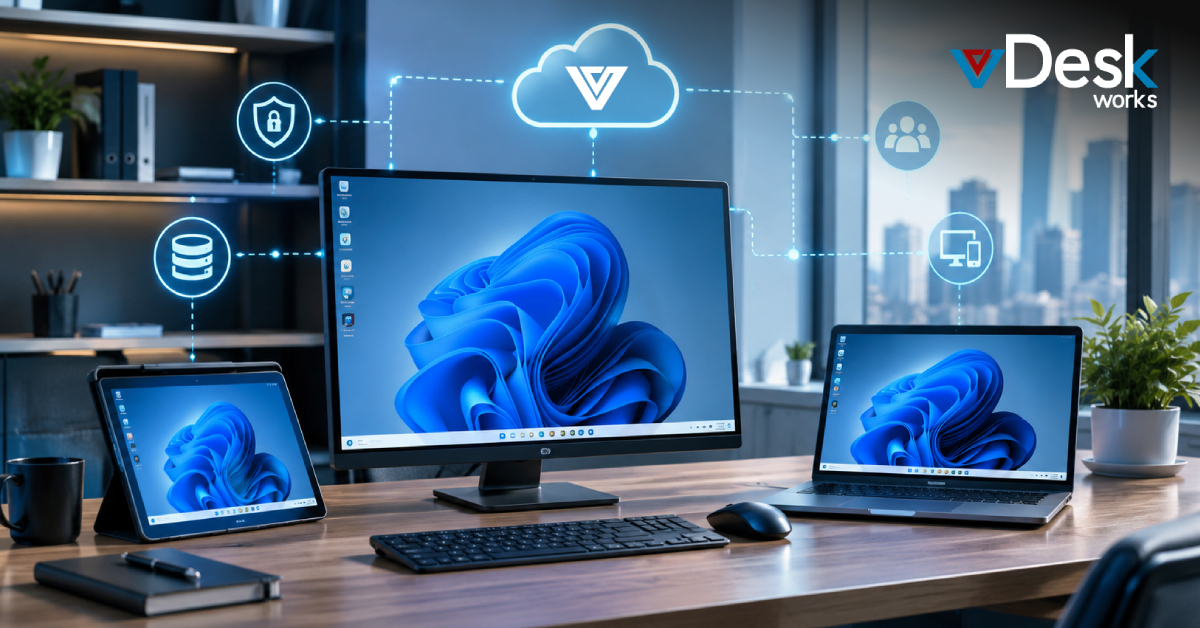
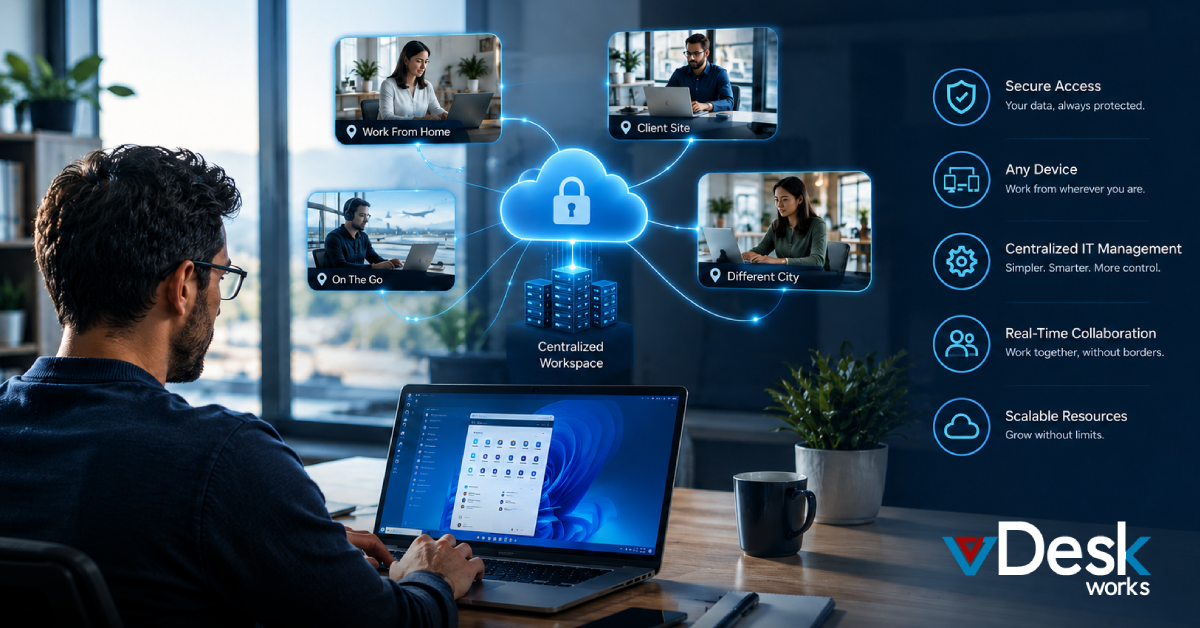
To deal with these risks, companies are using cybersecurity strategies and digital tools. For example, vDeskWorks helps companies manage workflows, work together safely, and control their data and infrastructure.
The Growing Threat Landscape in 2026
Cyberattacks are happening more often and are getting more complex. With intelligence and automation, attackers can launch faster and more targeted attacks against companies.
Recently, we have seen an increase in cyberattack attempts. Billions of attacks are happening every year as companies become more connected. Experts also think that cyberattacks will increase by 44% soon. This shows how fast the threat environment is changing.
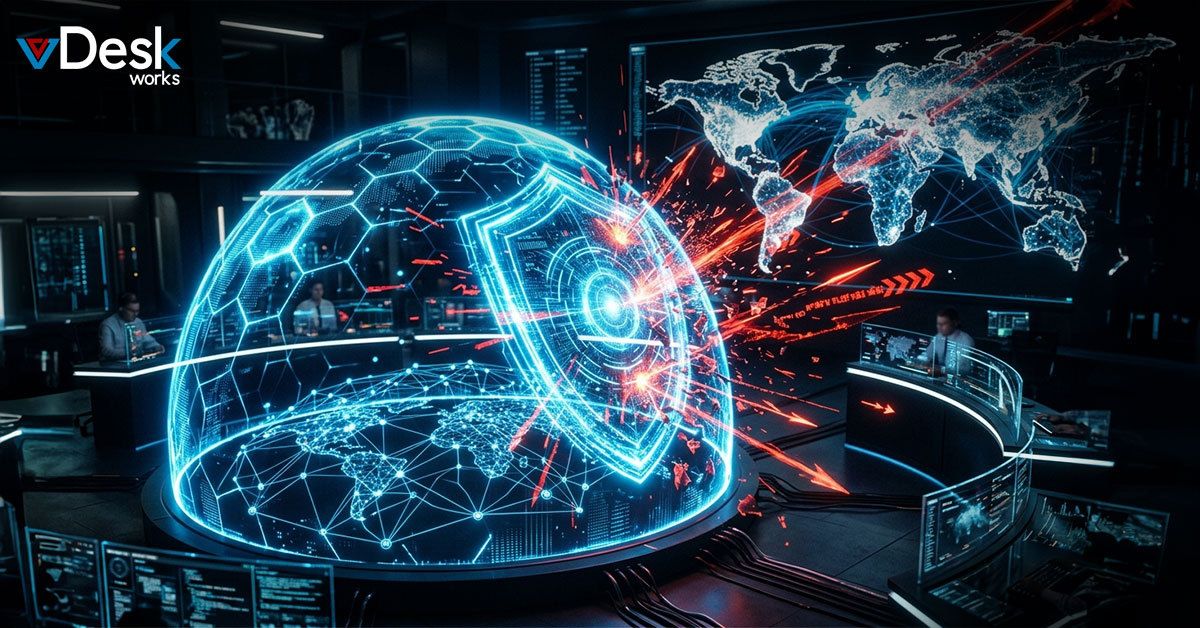
Companies face cyber threats including ransomware, phishing attacks, malware, and data breaches. As companies use cloud infrastructure and remote work systems, they are more vulnerable to attacks. This makes cybersecurity defenses more important than ever.
Companies need to move from reacting to security threats to anticipating them before they happen.
AI-Driven Cyber Threats and Modern Attack Methods
Artificial intelligence is changing cybersecurity for both companies and attackers. While companies use intelligence to strengthen their defenses, attackers use it to create more complex attacks.
Artificial intelligence can create phishing messages that look real, making it easier for attackers to trick employees into giving away sensitive information. Attackers also use intelligence to create malware that can change its behavior to avoid detection.
Another growing threat is deepfake technology, where attackers impersonate executives or employees to manipulate transactions or access confidential information.
Because of these evolving threats, companies need to use cybersecurity solutions that include artificial intelligence-powered detection, behavioral analytics, and automated threat response.
The Financial and Reputational Impact of Cyberattacks
Cyberattacks can have serious consequences for companies. Data breaches and ransomware attacks can cause significant financial losses and damage a company’s reputation.
The average cost of a data breach is around $4.88 million. This makes investing in cybersecurity essential for protecting business continuity. Companies may also face penalties, legal actions, and loss of customer trust.
A successful cyberattack can disrupt operations, halt production systems, and prevent employees from accessing tools and data. In some cases, companies may lose their competitive advantage or market reputation.
To mitigate these risks, cybersecurity must become a priority for company leaders, not just the IT department.
How AI and Automation Are Transforming Cybersecurity
While cyber threats are getting more complex, new technologies are also strengthening security defenses. Artificial intelligence and automation are playing a major role in modern cybersecurity strategies.
Artificial intelligence can analyze large amounts of network data in real time, detecting anomalies and identifying suspicious activity before it becomes a serious threat. These systems can recognize patterns that traditional security tools might miss.
Automation also enables faster incident response. When a potential threat is detected, automated systems can isolate compromised systems, block traffic, and initiate security protocols immediately.
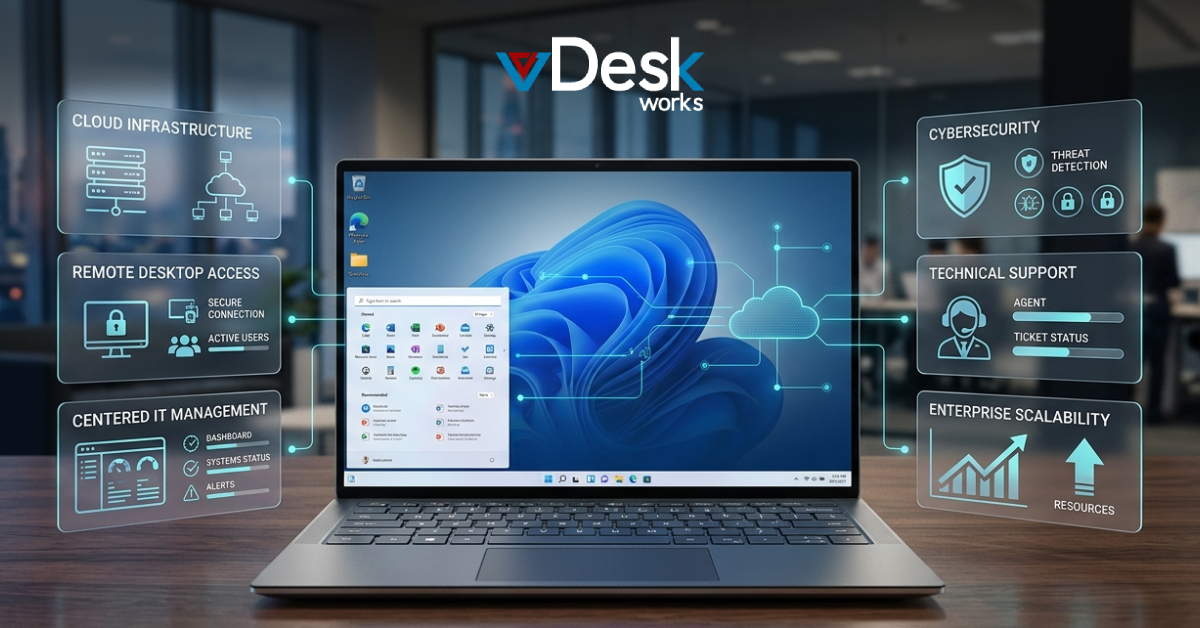
Many companies are now investing in a virtual desktop infrastructure to centralize and secure their digital environments, reducing exposure to external threats.
By combining intelligence-driven detection with automated response systems, companies can significantly improve their cybersecurity resilience.
Best Practices for Strengthening Cybersecurity
To stay ahead of cyber threats, companies must implement cybersecurity strategies that protect both technology infrastructure and human behavior.
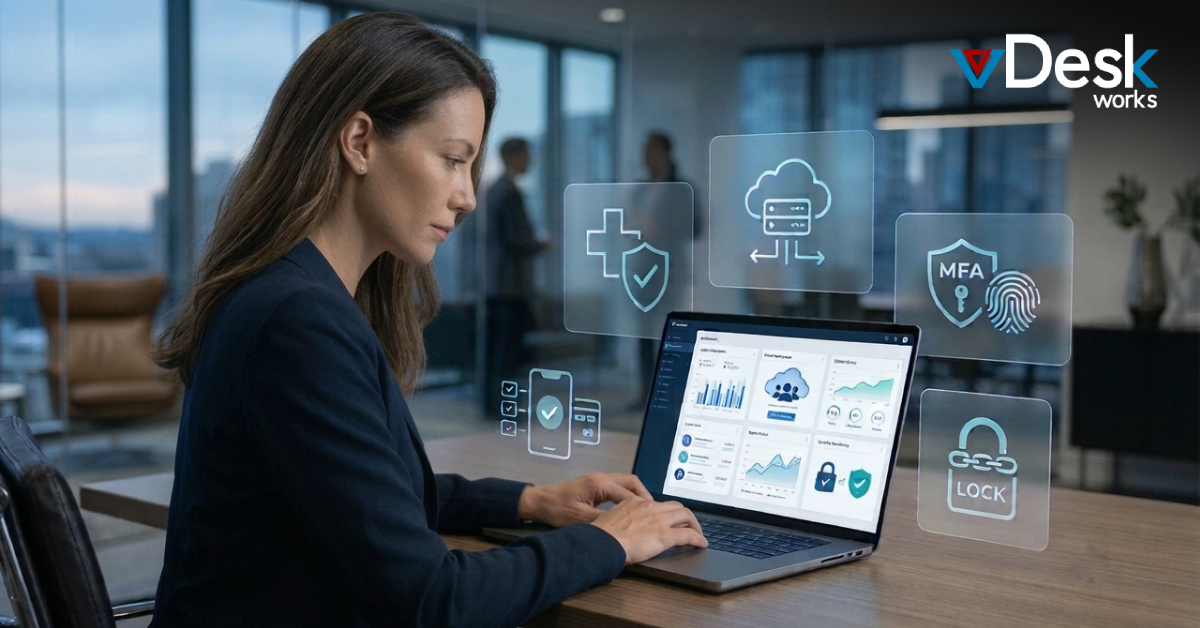
One of the most effective measures is implementing multi-factor authentication and strong password policies to prevent unauthorized access to systems and data. Regular security audits also help identify vulnerabilities before attackers exploit them.
Employee training is also critical. Many cyberattacks begin with phishing emails or social engineering tactics that rely on human error. Educating employees about cybersecurity risks significantly reduces these vulnerabilities.
Companies are also adopting zero-trust security models, which require verification for every user and device attempting to access company systems. Using a secure virtual desktop solution supports this zero-trust approach by centralizing access control and monitoring. This approach limits the impact of breaches and improves overall security.
Finally, companies must ensure that software systems and devices are regularly updated with the latest security patches to address known vulnerabilities.
Conclusion
Cybersecurity is no longer just a technical requirement — it is a strategic business priority. As companies adopt cloud infrastructure, artificial intelligence technologies, and remote work environments, the risk of cyber threats continues to grow.
Companies that invest in cybersecurity solutions, employee training, and proactive risk management will be better prepared to defend against emerging threats and maintain operational stability.
vDeskWorks virtual desktop helps companies strengthen operations by providing secure collaboration tools, workflow management systems, and centralized digital infrastructure support.
If your company wants to build a resilient digital environment, explore how vDeskWorks can help protect your operations and empower your teams to work safely and efficiently.
Start securing your workplace today with vDeskWorks virtual desktop.
 Emma Carson