A practical guide for HR leaders, IT managers, and operations teams navigating Bring Your Own Device in the modern workplace
The BYOD Reality in Today's Workplace
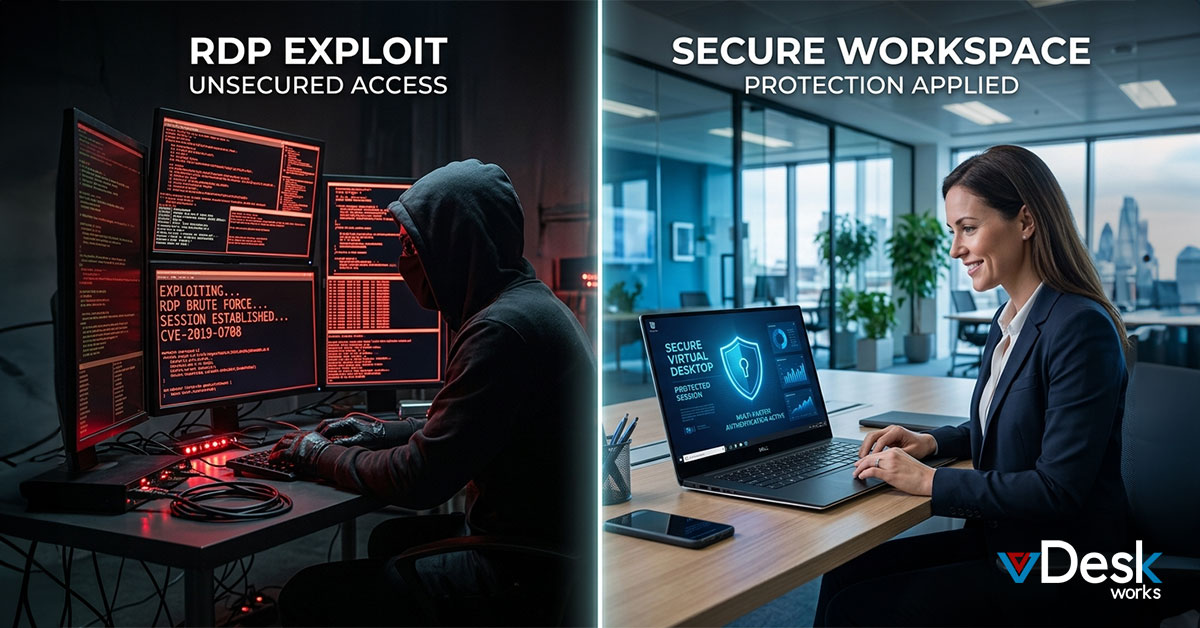
Remote Desktop Protocol is still one of the popular ways to access systems from anywhere.. It has also become a big target for cybercriminals. An RDP attack usually happens when unauthorized users take advantage of passwords, open ports or systems that are not updated to gain access to business networks. In 2026 as more people work from home the risks of using remote access tools have gotten worse. This means businesses need to think about their security and infrastructure in a way.
Why RDP Attacks Are Getting Worse?
The reason RDP attacks are increasing is because more people are working remotely. Many businesses started working without putting good security measures in place. This left RDP ports to the internet. Attackers use automated programs to find systems and try many passwords until they get in. Once they are inside they can move around steal data or install ransomware. This is a problem and it shows that traditional remote access solutions are not good enough. Businesses need to find secure ways to work remotely.
The Big Risks of Traditional Remote Access
RDP is convenient. It has many security problems. Weak passwords, not using two-factor authentication and not monitoring systems closely make it easy for attackers to get in. Traditional setups also. Process data on local devices, which increases the risk of data getting out. IT teams have a time managing many devices applying updates and making sure everything is compliant. These weaknesses do not just make businesses vulnerable to attacks. They also make things more complicated and expensive over time.
How Remote Desktop Solutions Make RDP Problems Go Away
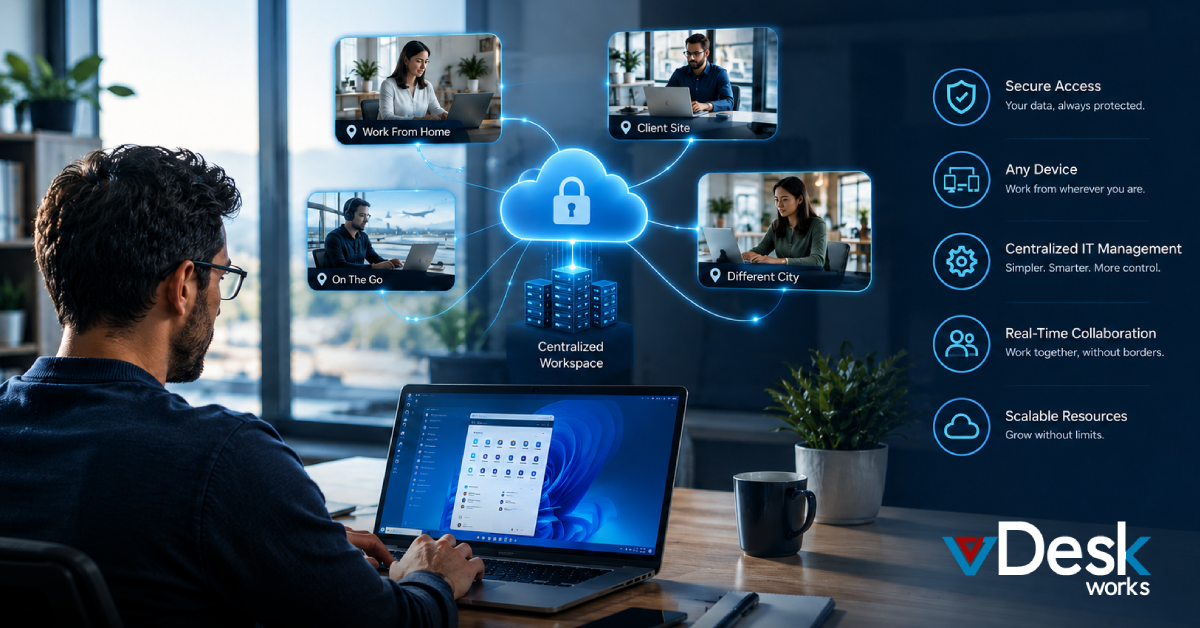
New virtual desktop solutions are changing the way businesses work remotely. Of connecting directly to physical machines users access virtual environments that are hosted in secure data centers. This way RDP ports do not need to be open to the internet. With platforms like vDeskWorks businesses can put in place access controls, encrypted connections and permissions based on roles. Data stays in the environment, which reduces the risk of breaches and makes sure businesses comply with industry standards. By not using RDP businesses can reduce their risk of being attacked.
Key Security Features Businesses Should Focus On
To stop RDP attacks businesses need to think about security. They need to use features like two-factor authentication isolate endpoints and monitor systems in time. Virtual desktop platforms also. Patch systems automatically which keeps them safe from new threats. Additionally IT teams can enforce policies consistently across all users and devices. Solutions like vDeskWorks also include threat detection and secure file sharing, which lets businesses work remotely with confidence while staying productive.
Why vDeskWorks remote desktop Is the Future of Secure Remote Work?
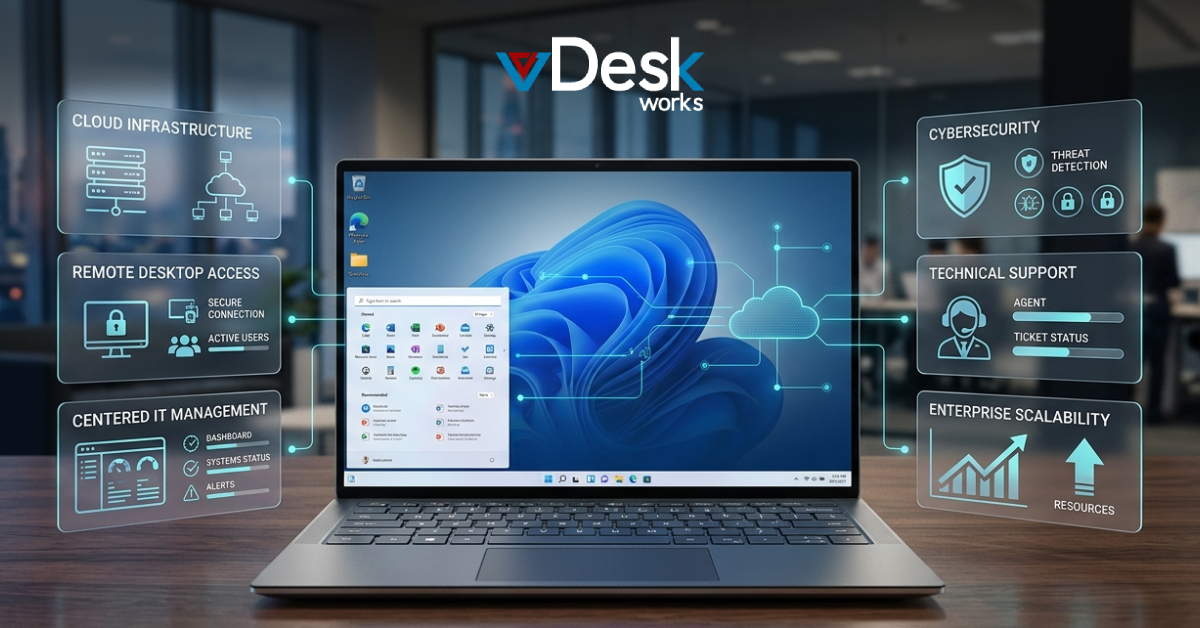
As cyber threats get worse businesses need solutions that do more than just fix existing problems. VDeskWorks offers a remote desktop infrastructure that gets rid of the risks of RDP attacks. By keeping data in one place, improving access controls and providing infrastructure that can grow it helps businesses support teams without compromising security. Moreover it is cost-effective which means businesses do not need to spend a lot on hardware and maintenance. This lets them focus on growing and innovating. In 2026 using remote desktop solutions is not just a good idea it is necessary for any business that wants to stay safe in a digital world.
 Emma Carson