As organizations accelerate their digital transformation journeys, cloud adoption has become a necessity rather than a choice. However, simply moving to the cloud does not guarantee efficiency. Managing cloud environments requires expertise, continuous optimization, and proactive monitoring—areas where many organizations struggle.
This is where managed cloud services come into play. By outsourcing cloud management to specialized providers, businesses can streamline operations, enhance performance, and focus on strategic growth rather than day-to-day IT complexities. Managed services are no longer just a support function; they are a strategic enabler of efficiency in modern enterprises.
Why Cloud Efficiency Requires More Than Just Migration
Many organizations assume that migrating to the cloud will automatically improve efficiency. In reality, unmanaged cloud environments can lead to increased costs, performance issues, and security risks.
Cloud platforms offer flexibility and scalability, but without proper governance, resources can be underutilized or overprovisioned. This creates inefficiencies that negate the benefits of cloud adoption.
Managed cloud services address this challenge by continuously monitoring and optimizing cloud environments. They ensure that resources are used effectively, systems perform optimally, and costs remain under control.
Efficiency in the cloud is not a one-time achievement—it is an ongoing process that requires expertise and proactive management.
The Expanding Scope of Managed Cloud Capabilities
Managed cloud services have evolved far beyond basic infrastructure support. Today, they encompass a wide range of capabilities designed to support modern IT environments.
These services include cloud migration, ongoing maintenance, performance optimization, and security management. Providers also offer advanced capabilities such as cost optimization, automation, and disaster recovery, ensuring that cloud environments remain resilient and efficient.
This expanded scope allows organizations to offload complex technical responsibilities while benefiting from specialized expertise and best practices.
Driving Business Value Through Operational Simplicity
One of the most significant advantages of managed cloud services is the simplification of IT operations. Managing cloud environments internally requires skilled teams, constant monitoring, and significant time investment.
By outsourcing these responsibilities, organizations can reduce operational complexity and focus on their core business objectives. Managed service providers handle routine tasks such as updates, troubleshooting, and performance tuning, freeing internal teams to concentrate on innovation and growth.
This shift not only improves efficiency but also accelerates decision-making and execution across the organization.
Scalability and Cost Optimization as Core Outcomes
Scalability is one of the defining features of cloud computing, but it must be managed effectively to deliver real value. Managed cloud services enable organizations to scale resources dynamically based on demand, ensuring optimal performance without unnecessary costs.
At the same time, cost optimization becomes a continuous process rather than a reactive measure. Providers analyze usage patterns, eliminate waste, and implement strategies such as right-sizing and automation to maximize efficiency.
This approach transforms cloud spending from a fixed expense into a flexible, value-driven investment that aligns with business needs.
Security and Reliability Built Into the Foundation
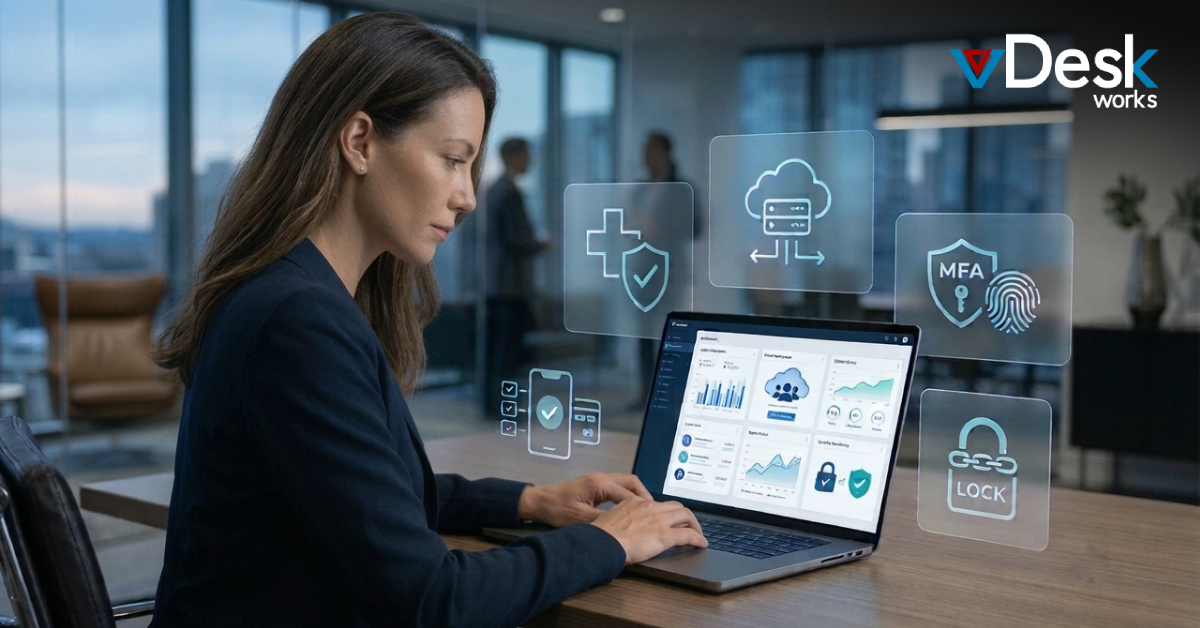
As cloud environments grow more complex, security and reliability become critical concerns. Managed cloud services integrate robust security measures directly into the architecture, ensuring that data and systems remain protected at all times.
Continuous monitoring, threat detection, and compliance management help organizations mitigate risks and maintain trust. At the same time, high availability and disaster recovery solutions ensure that systems remain accessible even in the face of disruptions.
This combination of security and reliability creates a stable foundation for business operations, enabling organizations to innovate with confidence.
Choosing the Right Managed Cloud Strategy
Selecting the right managed cloud approach is not just about choosing a provider—it is about aligning services with business goals. Organizations must consider factors such as scalability, reliability, security, and service flexibility when evaluating their options.
A strong managed cloud strategy focuses on long-term value rather than short-term gains. It emphasizes integration, adaptability, and continuous improvement, ensuring that cloud environments evolve alongside business needs.
The right partner acts not just as a service provider but as a strategic collaborator, guiding organizations through the complexities of cloud adoption and optimization.
vDeskWorks Cloud PC Extends Managed Cloud Efficiency
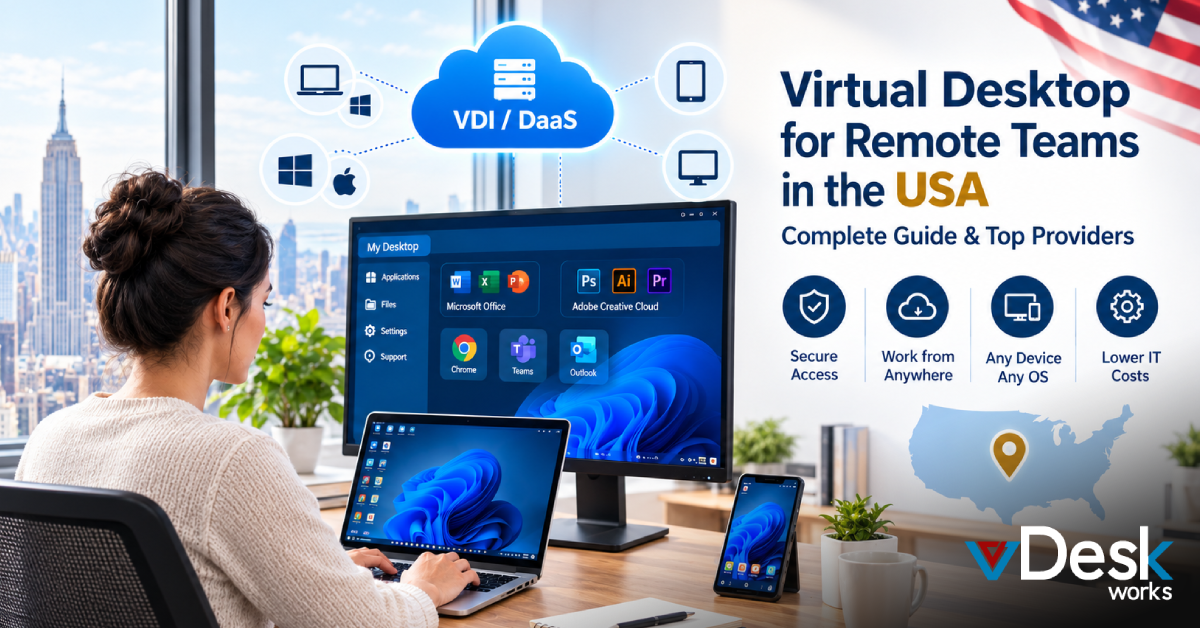
As enterprises move toward hybrid and cloud-first models, the need for a unified and simplified user experience becomes increasingly important. This is where vDeskWorks Cloud PC adds a powerful layer to managed cloud strategies.
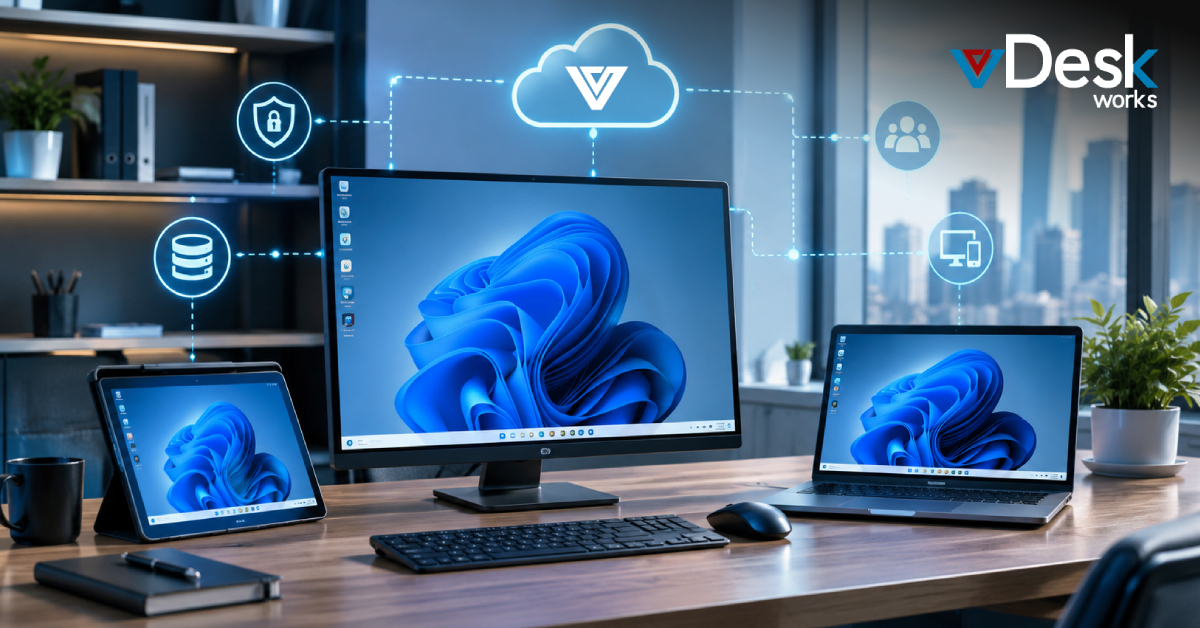
While managed cloud services optimize infrastructure, vDeskWorks focuses on delivering the end-user environment. It centralizes desktops, applications, and data in the cloud, ensuring consistent performance and seamless access across devices.
This integration enhances efficiency by reducing dependency on physical devices and simplifying endpoint management. IT teams can manage environments centrally, enforce security policies, and ensure a consistent user experience without additional complexity.
By combining managed cloud services with Cloud PC, organizations achieve a more holistic approach to efficiency—one that covers both infrastructure and user experience.
The Future of Efficiency is Managed, Cloud-Native, and User-Centric
Managed cloud services are no longer just about outsourcing IT operations. They are about enabling a smarter, more efficient way of working in a cloud-first world.
As businesses continue to adopt hybrid models, the focus will shift toward integrated solutions that combine infrastructure optimization with seamless user experiences. Efficiency will not be defined solely by cost savings, but by how effectively organizations can adapt, scale, and innovate.
Cloud-native approaches, supported by managed services and enhanced by technologies like Cloud PC, are paving the way for this future. They provide the flexibility, control, and simplicity needed to navigate an increasingly complex digital landscape.
In this new era, efficiency is not just about doing more with less—it is about doing the right things, in the right way, with the right technology supporting every step.
 Emma Carson