Technology decisions are no longer just operational—they define how businesses grow, compete, and scale. Yet many organizations still struggle to turn IT investments into real outcomes. Systems become fragmented, costs spiral, and transformation efforts stall before delivering value.
This is where IT strategy consulting has become essential. It bridges the gap between technology and business goals, helping organizations move from reactive IT management to structured, outcome-driven execution.
In today’s hybrid and global work environment, strategy is no longer about choosing tools. It is about building a connected, scalable, and future-ready IT ecosystem.
The Shift from Technology Planning to Business Alignment
One of the biggest changes in IT strategy consulting is the shift from technology-first thinking to business-first alignment. Organizations are realizing that simply adopting new tools does not drive growth unless those tools are directly tied to business outcomes.
Modern IT strategy focuses on understanding what the business needs to achieve over the next few years and aligning technology investments accordingly. This includes identifying inefficiencies, eliminating redundant systems, and prioritizing initiatives that directly contribute to revenue, productivity, and customer experience.
When technology aligns with business goals, it stops being a cost center and becomes a driver of competitive advantage.
Exposing the Hidden Gaps That Slow Growth
Many organizations operate with systems that have evolved over time without a clear plan. These environments often contain outdated tools, disconnected workflows, and hidden inefficiencies that quietly limit growth.
IT strategy consulting brings an external perspective that helps uncover these blind spots. Consultants assess infrastructure, workflows, and dependencies to identify what is holding the organization back.
This process reveals not just technical issues, but also operational challenges such as unclear ownership, misaligned priorities, and inefficient processes. Once these gaps are visible, organizations can make informed decisions about what to fix, what to replace, and what to eliminate.
This clarity is often the first step toward meaningful digital transformation.
From Complexity to Structured Execution
Even with a clear strategy, execution is where most organizations struggle. Projects get delayed, priorities shift, and teams lose alignment. Without a structured approach, even the best plans fail to deliver results.
Modern IT strategy consulting focuses heavily on execution frameworks. This includes defining ownership, establishing governance models, and creating realistic timelines that teams can follow.
When execution is structured, progress becomes measurable. Organizations can track outcomes, adjust strategies, and ensure that every initiative contributes to long-term goals.
This shift from planning to execution is what separates successful transformations from failed ones.
Cost Optimization Becomes a Strategic Advantage
Rising IT costs are a common challenge, especially in cloud-first environments where resources can easily be overused or underutilized. Many organizations spend heavily on tools and services without fully understanding their value.
IT strategy consulting helps organizations take control of their budgets by identifying waste, consolidating tools, and optimizing resource usage. This includes analyzing cloud consumption, vendor contracts, and licensing structures to ensure that every investment delivers value.
Cost optimization is no longer just about reducing expenses—it is about reallocating resources toward initiatives that drive growth and innovation.
Emerging Trends Shaping IT Strategy in 2026
The IT consulting landscape is evolving rapidly, driven by new technologies and changing business needs. One of the most significant trends is the rise of AI-driven automation, where intelligent systems are used to manage workflows, analyze data, and improve decision-making.
At the same time, cybersecurity is shifting toward proactive models that focus on preventing threats before they occur. Organizations are also adopting multi-cloud and hybrid strategies to increase flexibility and reduce dependency on a single provider.
Another emerging trend is the move toward outcome-based consulting, where success is measured by business impact rather than hours worked. This reflects a broader shift toward accountability and results-driven partnerships.
These trends highlight the growing importance of strategy in navigating an increasingly complex technology landscape.
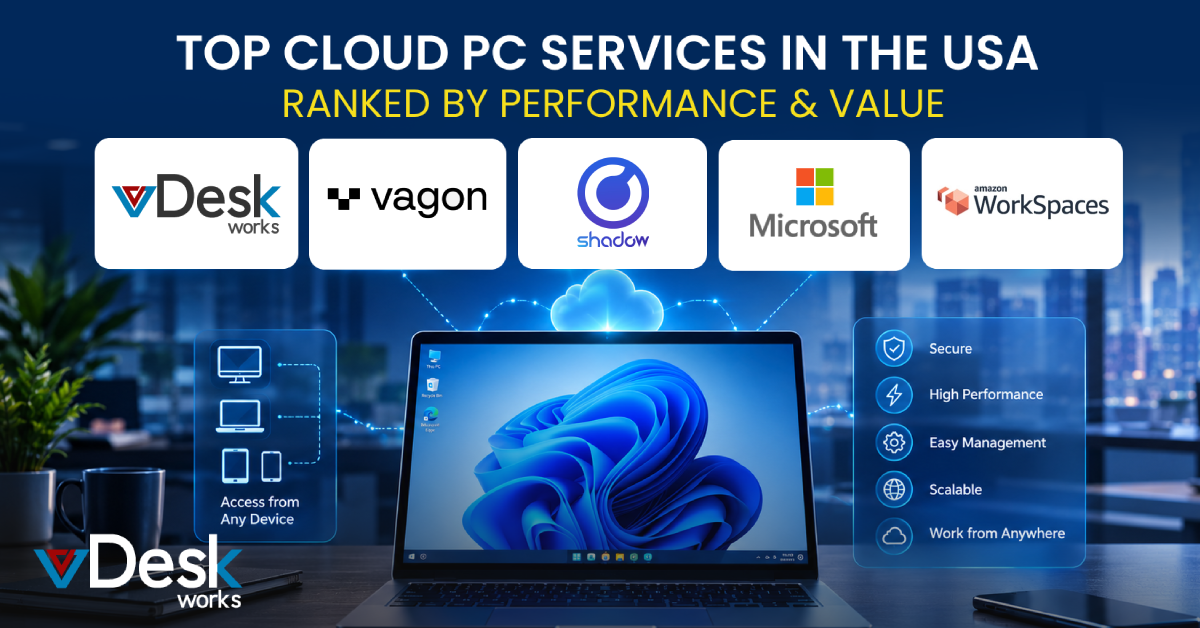
Why vDeskWorks Cloud PC Strengthens IT Strategy Execution?
As organizations build more complex IT strategies, the need for a simplified and consistent user environment becomes critical. This is where vDeskWorks Cloud PC plays a key role.
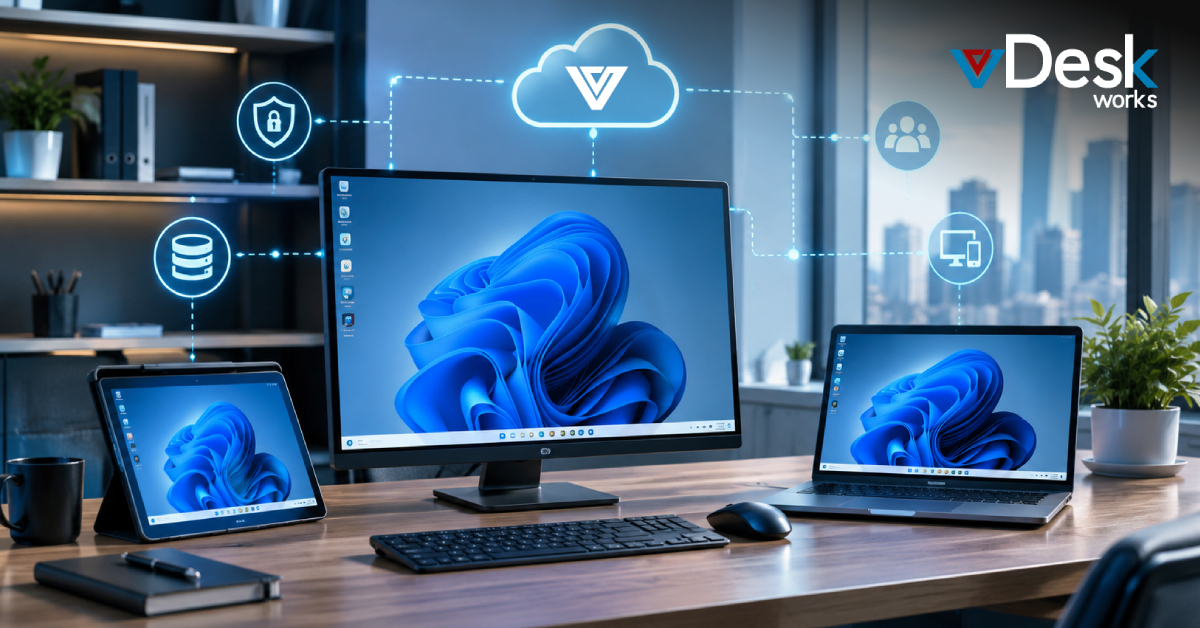
vDeskWorks Cloud PC transforms how employees interact with IT systems by centralizing the entire desktop environment in the cloud. This eliminates the inconsistencies caused by different devices, locations, and infrastructure setups.
For IT strategy, this means execution becomes easier. Policies can be enforced centrally, environments remain standardized, and users experience the same performance regardless of where they work.
This alignment between infrastructure and user experience ensures that strategy translates into real-world outcomes. It reduces operational friction, enhances security, and supports scalability across global teams.
By simplifying the delivery of IT environments, vDeskWorks allows organizations to focus on strategic initiatives rather than day-to-day technical challenges.
Building a Strategy That Scales with the Business
The role of IT strategy consulting is no longer limited to planning—it is about enabling continuous growth and adaptation. As businesses expand globally and adopt hybrid work models, their IT environments must evolve alongside them.
A strong strategy provides the foundation for this evolution. It ensures that systems are scalable, processes are efficient, and teams are aligned around common goals.
Organizations that invest in structured IT strategy are better equipped to handle change, respond to new opportunities, and maintain a competitive edge.
The Future of IT Strategy is Outcome-Driven and Cloud-Native
As technology continues to evolve, the focus of IT strategy will shift further toward outcomes. Businesses will expect measurable results, faster execution, and greater alignment between technology and value creation.
Cloud-first approaches, combined with intelligent automation and centralized environments, will define the next phase of IT strategy. Solutions like Cloud PC will play a critical role in this transformation by simplifying complexity and enabling consistent, scalable operations.
In the end, the success of any IT strategy will be measured not by the tools it uses, but by the results it delivers. Organizations that embrace this mindset will be the ones that thrive in an increasingly digital and competitive world.
 Emma Carson