Enterprise mobility is no longer just about enabling employees to work on the go. It has evolved into a strategic pillar of digital transformation, shaping how organizations operate, collaborate, and deliver value. As businesses continue to adopt hybrid work models, enterprise mobility is becoming deeply integrated with cloud technologies, security frameworks, and user experience design.
The modern workforce expects seamless access to applications, data, and systems from anywhere, at any time. This expectation is driving rapid innovation in mobility solutions, forcing organizations to rethink their IT strategies and invest in technologies that support flexibility without compromising security or performance.
Mobility is Becoming Intelligence-Driven
One of the most significant shifts in enterprise mobility is the integration of artificial intelligence. AI is no longer limited to analytics or automation; it is now embedded within mobility platforms to enhance decision-making, optimize workflows, and improve user experiences.
AI-powered tools help organizations analyze user behavior, predict potential issues, and automate routine tasks. This not only increases efficiency but also reduces the burden on IT teams. As mobility ecosystems grow more complex, intelligence-driven systems are becoming essential for maintaining control and delivering personalized experiences.
This trend reflects a broader movement toward smarter, more adaptive digital workplaces where systems continuously learn and improve.
High-Speed Connectivity is Redefining Work
The expansion of advanced connectivity technologies such as 5G is transforming enterprise mobility in fundamental ways. Faster networks enable real-time collaboration, high-quality video communication, and seamless access to cloud applications.
With improved connectivity, employees can work without interruptions, regardless of their location. This is particularly important in hybrid environments, where performance consistency is critical for productivity.
Organizations are now rethinking their infrastructure to take full advantage of these capabilities, ensuring that their systems can support the speed and scale required for modern work.
IoT is Expanding the Scope of Mobility
Enterprise mobility is no longer limited to smartphones and laptops. The integration of Internet of Things technologies has expanded mobility to include a wide range of connected devices.
From wearable technology to smart sensors and location-based systems, IoT is enabling organizations to collect and analyze data in real time. This allows for better decision-making, improved operational efficiency, and enhanced customer experiences.
As mobility ecosystems continue to grow, organizations must manage an increasing number of endpoints. This makes it essential to adopt solutions that can handle complexity while maintaining visibility and control.
Security is Becoming the Core of Mobility Strategy
As mobility expands, so does the attack surface. Mobile devices have become a primary target for cyber threats, making security a top priority for organizations.
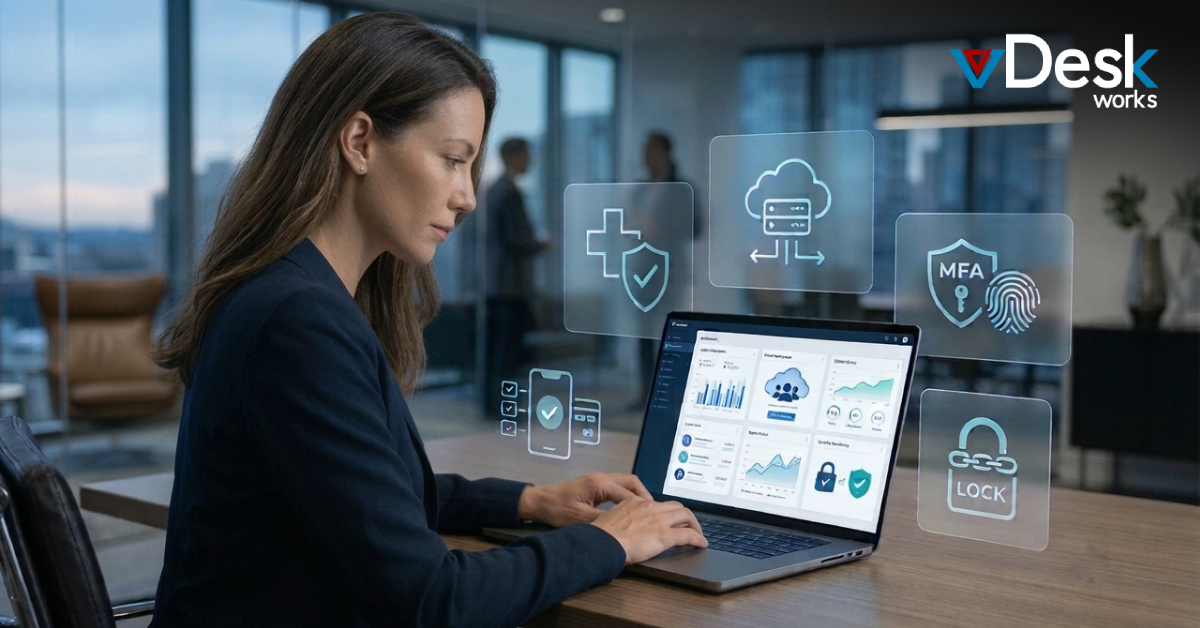
Modern enterprise mobility strategies are built around advanced security frameworks, including zero trust models, biometric authentication, and continuous monitoring. These approaches ensure that every user, device, and application is verified before access is granted.
Security is no longer a separate layer but an integral part of mobility architecture. Organizations must ensure that data remains protected across all devices and environments, especially in hybrid work setups.
Unified Endpoint Management is Driving Control
With the increasing number of devices and platforms, managing endpoints has become a major challenge. This has led to the rise of unified endpoint management solutions that provide centralized control over devices, applications, and data.
UEM platforms allow organizations to monitor and manage all endpoints from a single interface, improving efficiency and reducing complexity. They also play a crucial role in enforcing security policies and ensuring compliance.
As enterprise mobility continues to expand, centralized management is becoming essential for maintaining consistency and control across distributed environments.
The Shift Toward Cloud-Native Mobility
One of the most defining trends in enterprise mobility is the transition to cloud-native environments. Traditional mobility solutions were built around devices, but modern approaches focus on delivering experiences through the cloud.
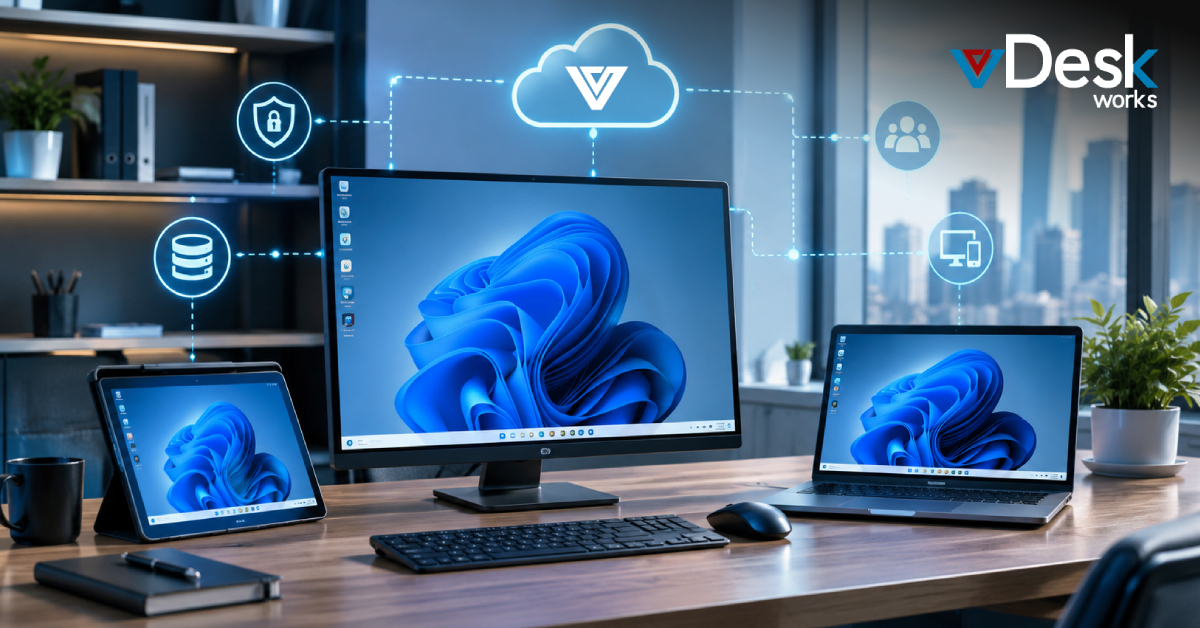
Cloud-based systems enable organizations to provide consistent access to applications and data without being tied to specific devices. This shift is critical for supporting hybrid work, where employees use multiple devices across different locations.
Cloud-native mobility also improves scalability, allowing organizations to adapt quickly to changing business needs.
Why vDeskWorks Cloud PC is Powering the Next Phase of Mobility?
As enterprise mobility evolves, vDeskWorks Cloud PC is emerging as a key enabler of modern work environments.
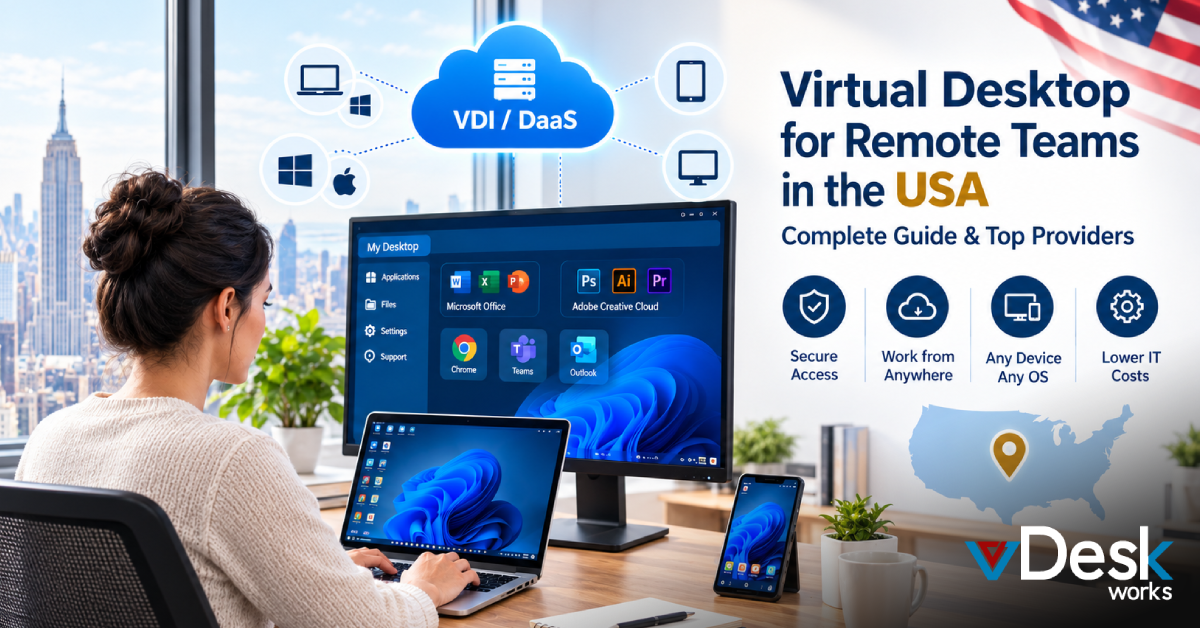
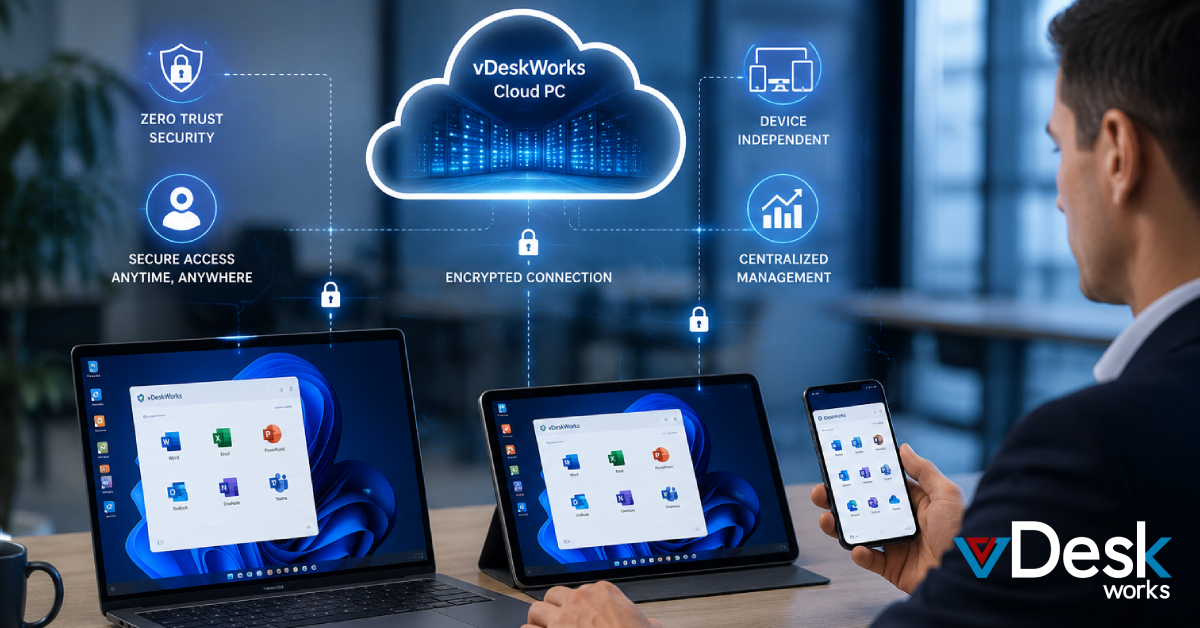
Instead of managing multiple devices and endpoints individually, vDeskWorks centralizes the entire desktop experience in the cloud. This allows employees to access their work environments from any device while maintaining consistent performance and security.
By reducing dependency on physical devices, vDeskWorks simplifies endpoint management and minimizes security risks. Data remains within a controlled cloud environment, and access can be managed centrally, aligning with zero trust principles.
This approach also enhances user experience by eliminating performance inconsistencies and technical disruptions. Employees can focus on their work without being affected by device limitations or infrastructure challenges.
For organizations, this means greater agility, improved security, and reduced IT complexity.
The Future of Enterprise Mobility is Cloud-First
Enterprise mobility is no longer just a trend—it is a fundamental component of modern business strategy. As technologies continue to evolve, organizations must adapt to new ways of working that prioritize flexibility, security, and efficiency.
The integration of AI, high-speed connectivity, IoT, and cloud-native solutions is shaping a future where mobility is seamless and intelligent. At the same time, the need for centralized control and strong security frameworks is becoming more important than ever.
Cloud PC solutions represent the next step in this evolution. By combining mobility with cloud computing, they provide a unified and scalable approach to delivering digital work environments.
In a world where work is no longer tied to a single place or device, enterprise mobility must go beyond access—it must enable a complete, secure, and consistent experience. That is the direction forward, and it is redefining how organizations operate in the digital age.
 Emma Carson