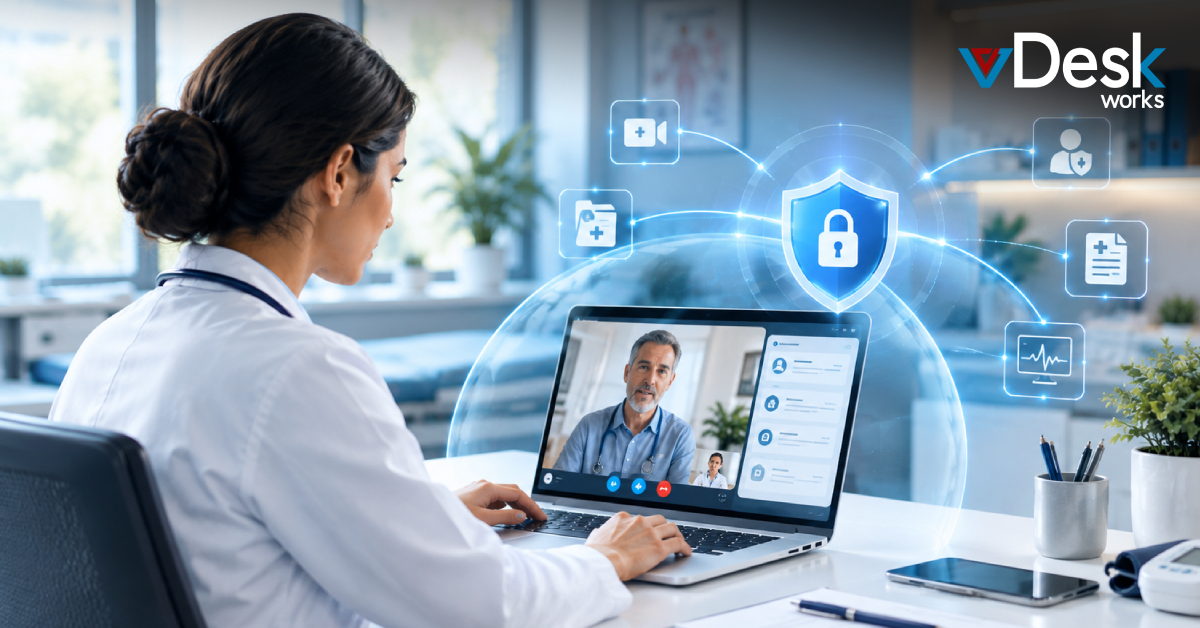
Telemedicine has rapidly transformed how healthcare is delivered. Patients no longer need to visit clinics for every consultation, and healthcare providers can offer continuous care through digital platforms. From video consultations to remote monitoring, telemedicine apps are now central to modern healthcare delivery.
However, building a telemedicine application is not just about features or user experience. The real challenge lies in ensuring compliance, security, and reliability—especially when handling sensitive patient data.
This is where HIPAA compliance becomes critical.
The Health Insurance Portability and Accountability Act (HIPAA) defines strict rules for protecting electronic Protected Health Information (ePHI), including privacy, security, and breach notification requirements.
For any telemedicine platform, meeting these standards is not optional—it is foundational.
What Makes Telemedicine Apps Complex to Build
At a basic level, a telemedicine application connects patients and healthcare providers through digital channels. It enables video consultations, appointment scheduling, prescription management, and access to medical records.
But behind this simplicity lies significant complexity.
Telemedicine apps must securely store and transmit patient data, integrate with Electronic Health Records (EHR), and support real-time communication. They also need to handle payments, notifications, and administrative workflows, all while maintaining strict compliance standards.
Each of these components introduces potential vulnerabilities if not designed properly.
Unlike traditional applications, healthcare platforms operate in a highly regulated environment where even minor security gaps can lead to serious legal and financial consequences.
Core Requirements for HIPAA Compliance
To build a compliant telemedicine app, organizations must focus on multiple layers of security and governance.
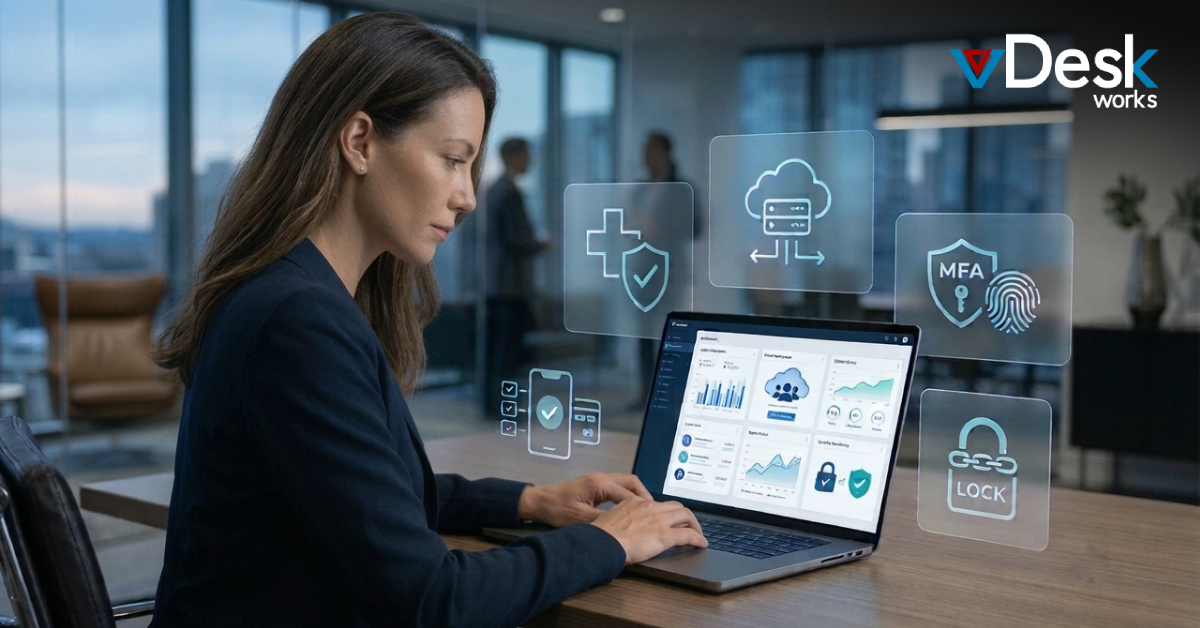
Data encryption is essential, both in transit and at rest, to protect sensitive information from unauthorized access. Secure authentication mechanisms, such as multi-factor authentication, ensure that only authorized users can access the system.
Role-based access control further limits exposure by ensuring that users only access the data relevant to their role. Audit logs and monitoring systems are required to track activity and detect potential security incidents.
In addition, healthcare platforms must implement secure communication protocols for video calls, messaging, and file sharing. Compliance also extends to third-party integrations, which must adhere to Business Associate Agreements (BAAs) to ensure data protection across the ecosystem.
These requirements highlight an important truth: compliance is not a feature—it is an infrastructure challenge.
Why Traditional Infrastructure Creates Risk
Many organizations focus heavily on application development while underestimating the importance of infrastructure.
Traditional setups often rely on fragmented systems, local storage, and multiple endpoints. This increases the risk of data breaches, misconfigurations, and compliance failures.
Managing security across distributed environments is difficult, bur especially when teams are remote and devices vary. Each endpoint becomes a potential vulnerability, making it harder to enforce consistent policies.
Even with strong application-level security, weak infrastructure can compromise the entire system.
Cloud PC: A Secure Foundation for Telemedicine
Cloud PC offers a more secure and controlled environment for building and operating telemedicine platforms.
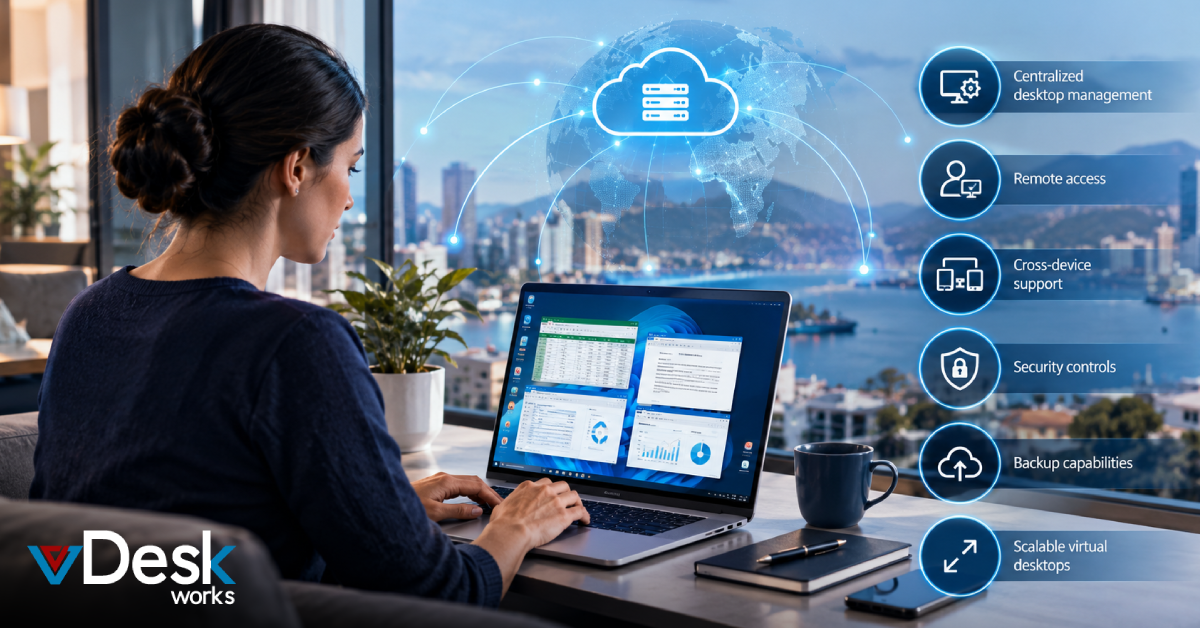
Instead of relying on local devices or scattered systems, Cloud PC centralizes applications, data, and access within a secure cloud environment. This reduces the exposure of sensitive information and simplifies compliance management.
All interactions—whether from doctors, administrators, or support staff—happen within a controlled workspace. Data is not stored on individual devices, minimizing the risk of loss or unauthorized access.
This centralized model aligns naturally with HIPAA requirements, making it easier to implement encryption, access controls, and monitoring systems consistently.
Enabling Secure Collaboration Across Healthcare Teams
Telemedicine platforms are not limited to patient-doctor interactions. They often involve multiple stakeholders, including specialists, administrative staff, and support teams.
Ensuring secure collaboration across these roles is essential.
Cloud PC enables this by providing role-based environments where users can access only the information they need. Healthcare providers can review patient records, share documents, and collaborate in real time without exposing sensitive data unnecessarily.
This improves both security and efficiency, allowing teams to work seamlessly while maintaining compliance.
Why vDeskWorks Cloud PC is Ideal for Healthcare Platforms?
For organizations building telemedicine applications, vDeskWorks Cloud PC provides a secure and scalable foundation.
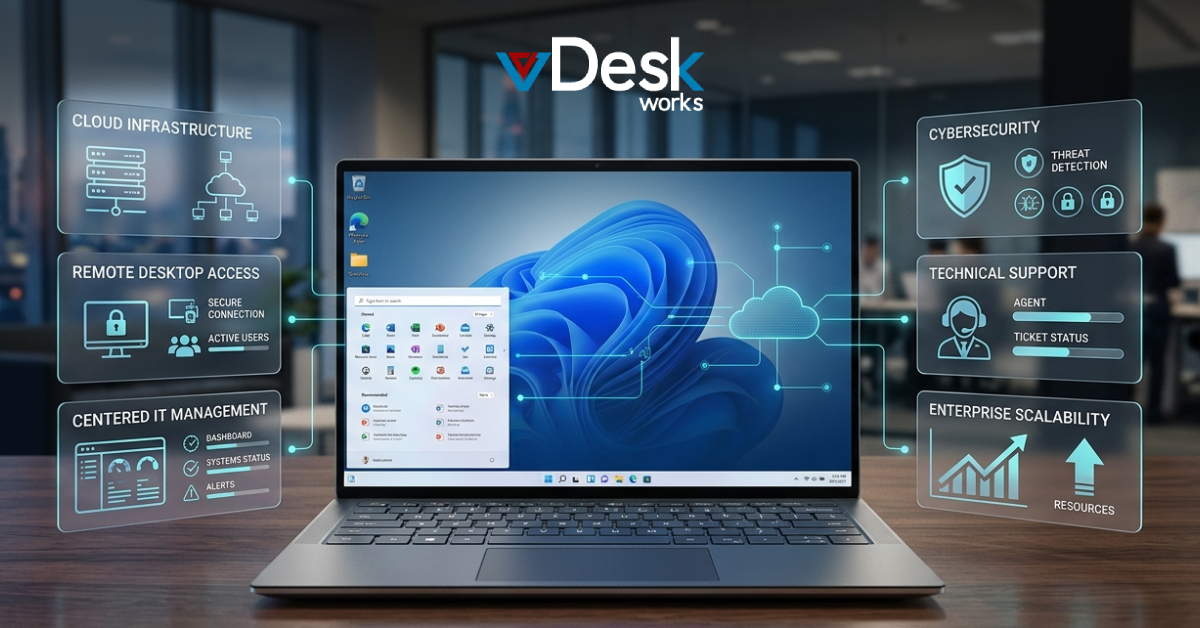
vDeskWorks centralizes desktops, applications, and data into a unified cloud environment, making it easier to enforce HIPAA-compliant security measures. Access controls, encryption policies, and monitoring systems can be managed from a single platform, reducing the complexity of maintaining compliance.
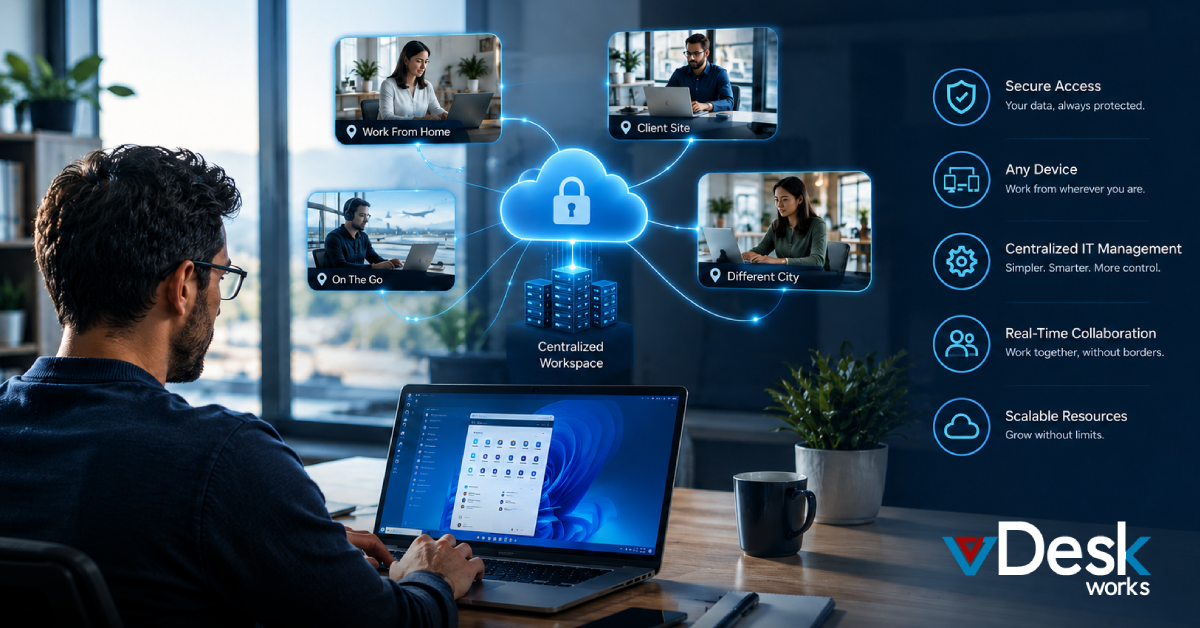
It also supports secure remote access, allowing healthcare professionals to work from any location without compromising data security. This is particularly important for telemedicine, where flexibility and accessibility are key.
In addition, vDeskWorks simplifies infrastructure management. Instead of maintaining multiple systems, organizations can rely on a single, consistent environment that is easier to monitor, scale, and secure.
This not only reduces risk but also accelerates development and deployment.
Building for Compliance from Day One
One of the biggest mistakes organizations make is treating compliance as an afterthought.
In healthcare, security and compliance must be built into the foundation of the application from the very beginning. Retrofitting these elements later is both costly and risky.
By choosing the right infrastructure early on, businesses can avoid many of the challenges associated with HIPAA compliance.
The Future of Telemedicine is Secure by Design
Telemedicine is expected to grow rapidly, with increasing demand for remote healthcare solutions and digital patient engagement.
As this growth continues, the importance of secure, compliant platforms will only increase.
Cloud PC plays a critical role in this future by providing a foundation that is both flexible and secure. It allows organizations to focus on innovation and patient experience while ensuring that compliance requirements are met.
For businesses building the next generation of healthcare applications, the goal is clear: create systems that are not only functional, but secure by design.
And with solutions like vDeskWorks Cloud PC, that goal becomes far more achievable.
 Emma Carson