Global economic shifts are quietly reshaping how organizations think about IT. One of the most overlooked drivers of this change is rising hardware costs, particularly influenced by tariffs, supply chain disruptions, and inflation.
For years, businesses relied on predictable hardware refresh cycles to maintain performance and security. Today, that model is under pressure. The cost of laptops and devices is increasing significantly, forcing organizations to rethink how they invest in end-user computing.
This shift is not just about saving money. It is about adopting a more flexible, scalable, and future-ready approach to delivering work environments.
The Hidden Impact of Rising Hardware Costs
Hardware has traditionally been treated as a fixed investment. Organizations purchase devices, deploy them across teams, and replace them every few years. But rising tariffs and supply chain challenges are making this model increasingly expensive.
Recent estimates suggest that tariffs alone can add hundreds of dollars to the cost of each device, significantly increasing the total cost of ownership for IT infrastructure.
At the same time, businesses are dealing with additional pressures such as operating system upgrades, security requirements, and the need to support hybrid work. Together, these factors are creating a perfect storm where traditional hardware strategies no longer make financial or operational sense.
Why Organizations Are Moving Away from Device-Centric IT
The increasing cost of hardware is exposing a deeper issue: the dependency on physical devices. When work environments are tied to hardware, every upgrade, replacement, or expansion becomes a logistical and financial challenge.
This model also limits flexibility. Scaling teams requires purchasing and configuring new devices. Supporting remote employees adds complexity. Maintaining security across distributed endpoints becomes increasingly difficult.
As a result, organizations are shifting away from device-centric IT toward models that prioritize access and experience over physical infrastructure.
This is where Cloud PC and Desktop-as-a-Service (DaaS) are gaining momentum.
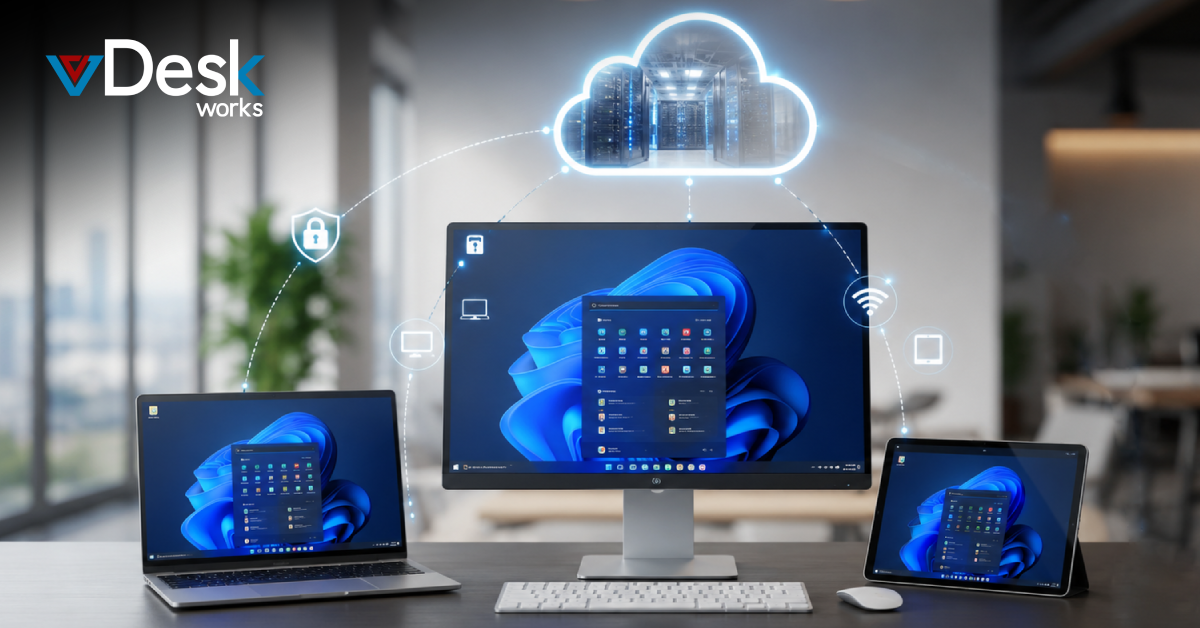
Cloud PC Turns Existing Devices Into High-Performance Workstations
One of the most powerful advantages of Cloud PC is its ability to extend the life of existing hardware. Instead of replacing devices, organizations can offload computing power to the cloud.
Even older or lower-spec machines can function as high-performance workstations when the processing happens remotely. This approach allows businesses to delay costly hardware upgrades while still delivering a modern user experience.
It also supports sustainability goals by reducing electronic waste and maximizing the value of existing assets.
In an environment where hardware costs are rising, this shift from replacement to optimization is a significant advantage.
From Capital Expense to Operational Flexibility
Another major shift driven by rising costs is the move from capital expenditure to operational expenditure. Instead of making large upfront investments in hardware, organizations are adopting subscription-based models for IT.
Cloud PC enables this transition by offering predictable, usage-based pricing. Organizations pay for what they use, scale resources up or down as needed, and avoid the financial burden of large hardware purchases.
This approach improves budget predictability and allows businesses to adapt quickly to changing conditions. In uncertain economic environments, flexibility becomes just as important as cost savings.
Supporting Hybrid and Global Teams Without Friction
Modern workforces are no longer centralized. Teams operate across locations, countries, and time zones, requiring seamless access to applications and data.
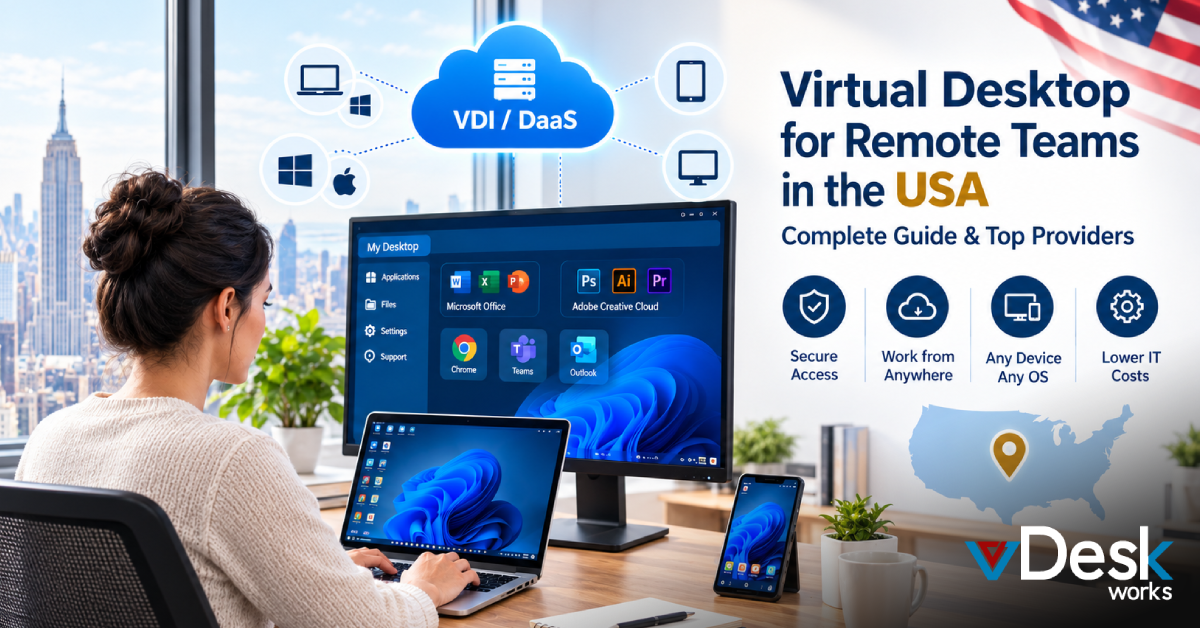
Cloud PC supports this model by providing a consistent work environment that can be accessed from anywhere. Employees no longer depend on specific devices or locations. Instead, they log into a centralized desktop that delivers the same experience everywhere.
This is particularly valuable for organizations managing international teams, where device logistics and infrastructure challenges can slow down operations.
Cloud PC removes these barriers, enabling teams to work efficiently regardless of geography.
Agility Becomes a Competitive Advantage
In today’s business environment, the ability to adapt quickly is critical. Organizations need to scale up during growth periods and scale down during uncertainty, without being tied to rigid infrastructure.
Cloud PC provides this agility by allowing IT teams to provision resources on demand. New users can be onboarded instantly, environments can be adjusted in real time, and capacity can be aligned with business needs.
This level of flexibility is difficult to achieve with traditional hardware-based models, making Cloud PC a strategic advantage rather than just a technical solution.
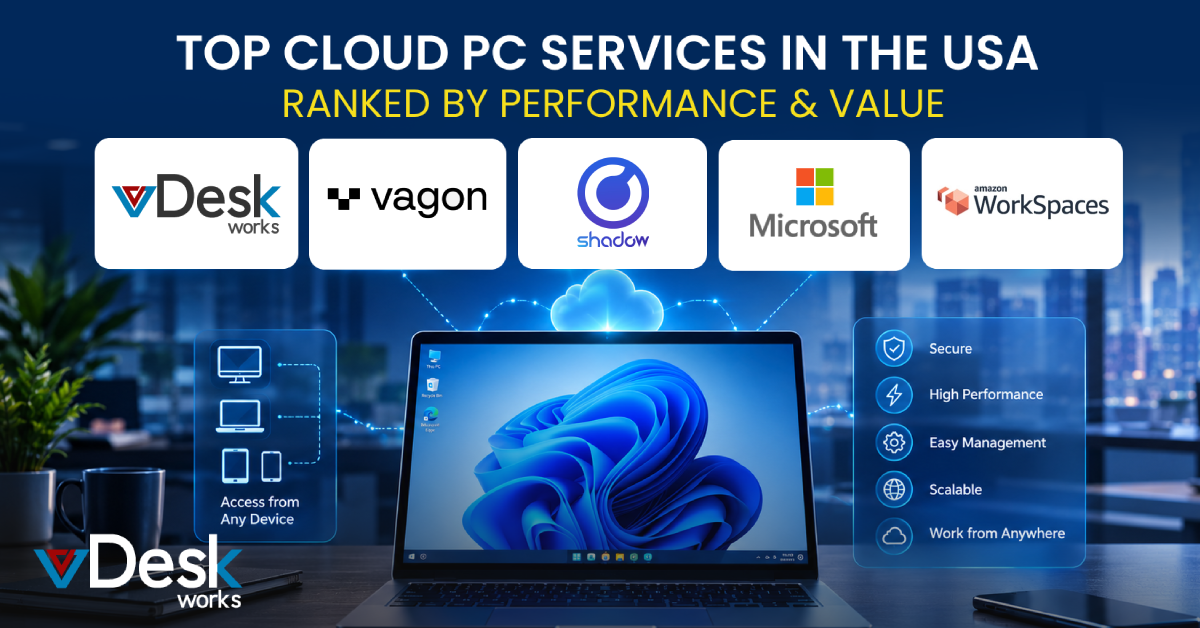
Why is vDeskWorks Cloud PC Built for This Shift?
As organizations respond to rising costs and increasing complexity, vDeskWorks Cloud PC offers a solution designed for the realities of modern work.
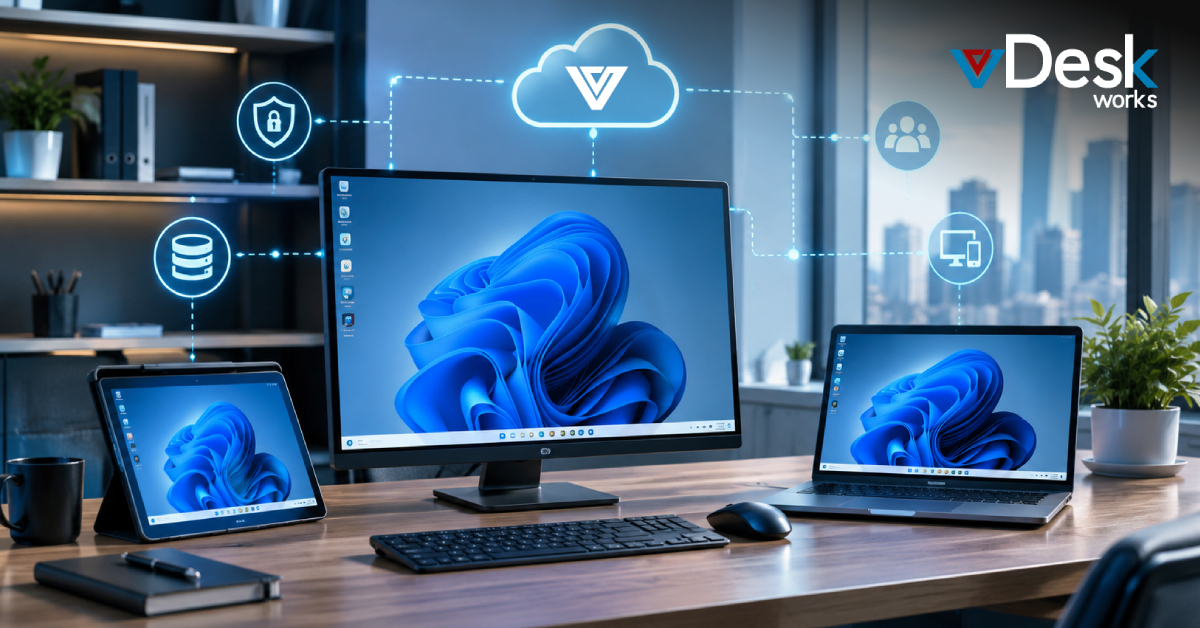
vDeskWorks Cloud PC Solution centralizes desktops, applications, and data in a secure cloud environment, eliminating the dependency on high-cost hardware. This allows businesses to extend the life of existing devices while maintaining performance and security.
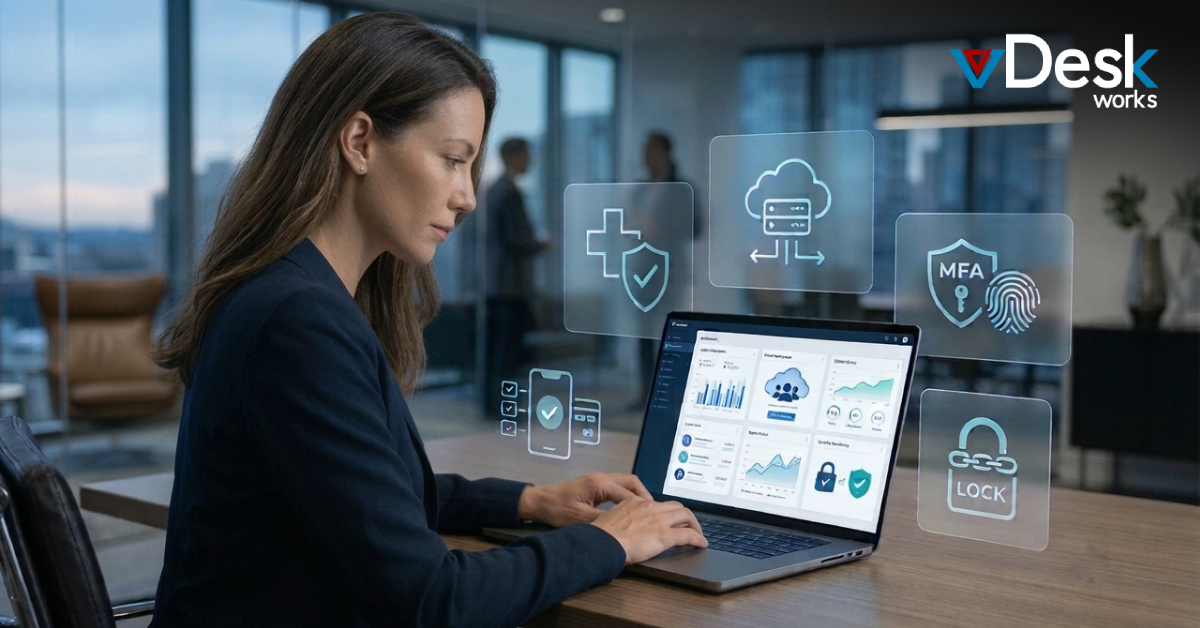
With centralized management, IT teams can control access, enforce policies, and monitor usage across the entire organization from a single platform. This reduces operational overhead and simplifies security in distributed environments.
vDeskWorks also supports seamless scalability, enabling organizations to grow globally without infrastructure constraints. Employees can access their workspaces from any device, anywhere, with a consistent and reliable experience.
By combining cost efficiency, flexibility, and security, vDeskWorks aligns perfectly with the shift toward cloud-first IT strategies.
The Future of IT is Less About Hardware and More About Access
Rising hardware costs are not just a temporary challenge—they are a signal that traditional IT models are evolving. Organizations can no longer rely solely on device-based strategies to support their workforce.
The future of IT is defined by access rather than ownership. It is about delivering secure, scalable environments that are independent of physical devices and adaptable to change.
Cloud PC represents this shift. It transforms how work is delivered, reduces reliance on hardware, and enables organizations to operate with greater flexibility and efficiency.
In a world where uncertainty is constant, the ability to adapt is everything. And for many organizations, that adaptation begins with moving beyond hardware—and into the cloud.
 Jerry Clark